






































































































































































































































































































































CENTCOM Rejects Iranian Claims of Tanker Seizures, Hormuz Toll

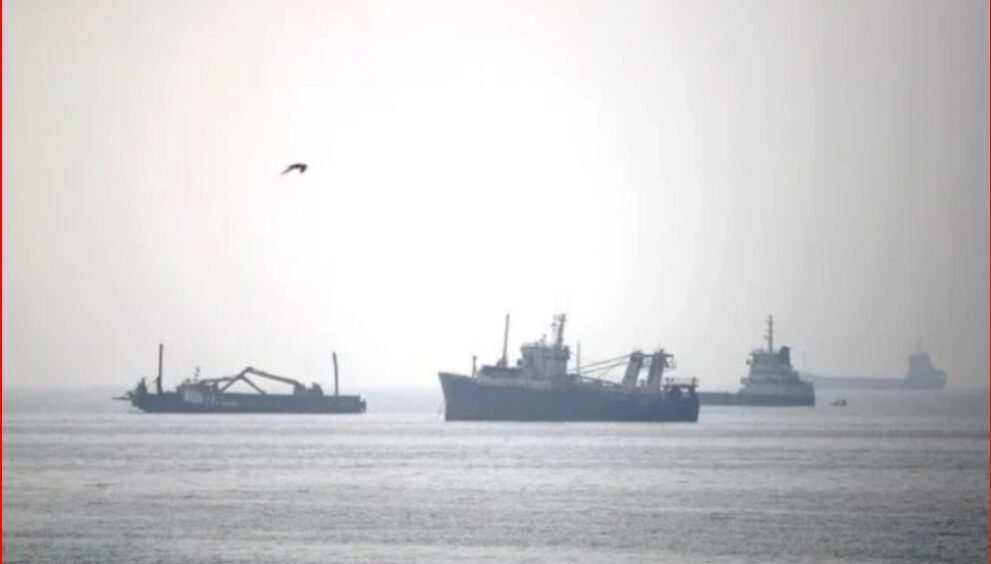
“Thousands of ships and billions of crude oil barrels have transited the strait freely and safely under US protection,” CENTCOM stated.
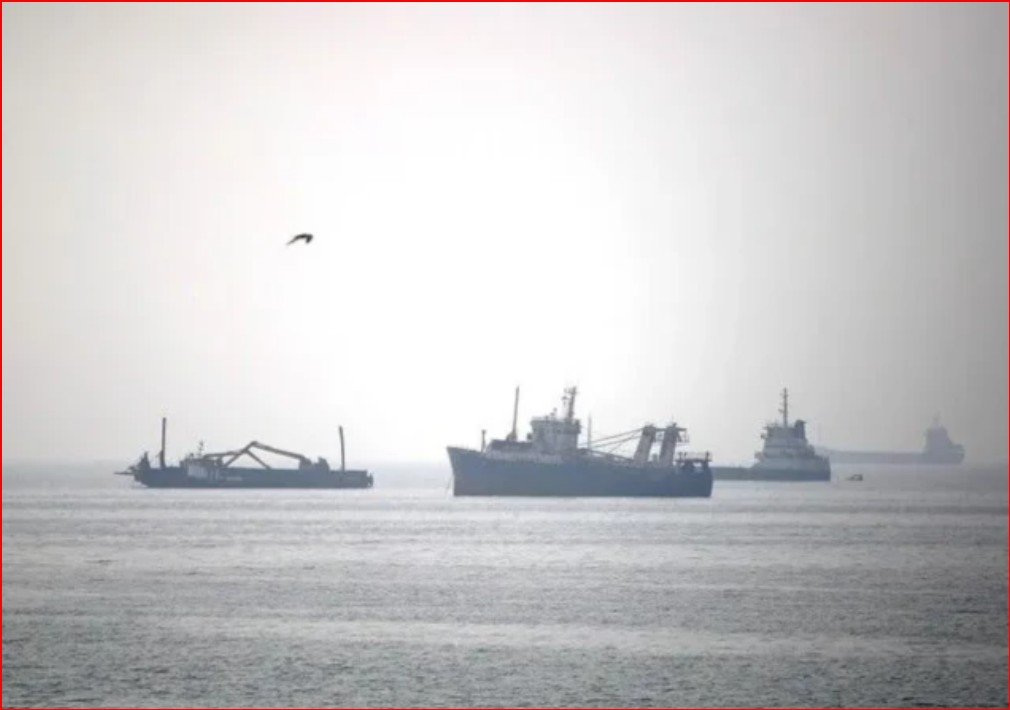
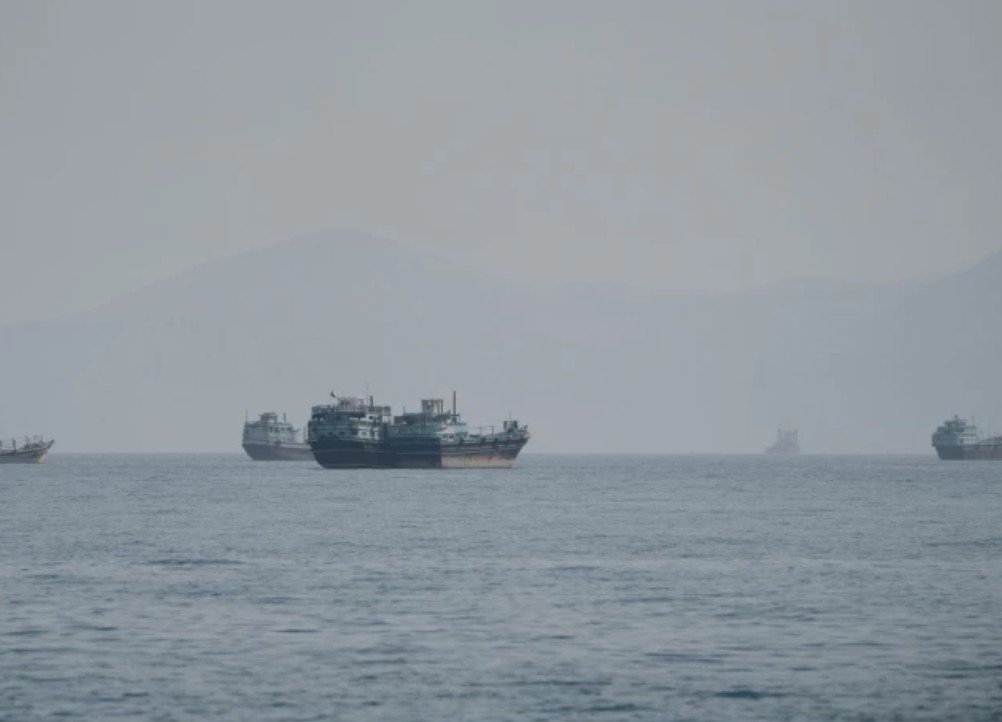
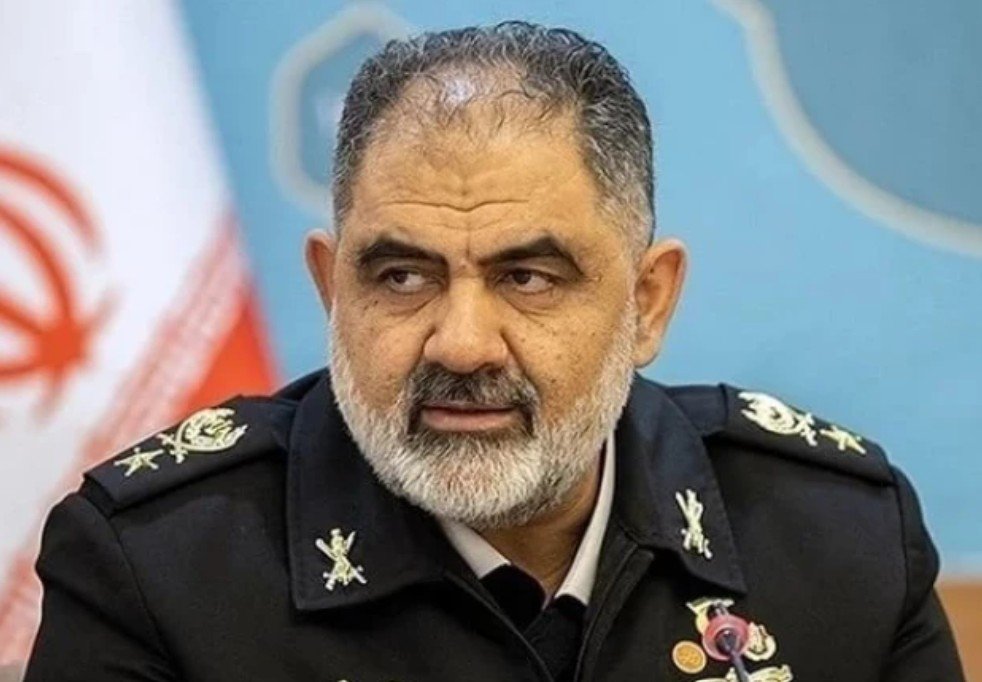
The US military’s Central Command (CENTCOM) has rejected multiple claims made by an Iranian military commander, denying that American forces seized two Iranian oil tankers or are charging vessels $2.5 million to pass through the Strait of Hormuz.
In a statement posted on social media platform X on Friday, CENTCOM dismissed claims that Iran’s Islamic Revolutionary Guard Corps (IRGC) navy had retaken two oil tankers while US personnel aboard were asleep.
“Iran no longer has a navy. The entire situation the Iranian military commander described is another fabricated lie,” CENTCOM said.
The US military command also rejected claims that Iranian naval forces had struck the USS Abraham Lincoln aircraft carrier on the first day of Operation Epic Fury, forcing American forces to seek evacuation assistance from regional countries.
CENTCOM said the carrier strike group was “well defended and never struck by Iran”, adding that it had completed a “historically successful combat deployment” before returning safely to the United States last month.
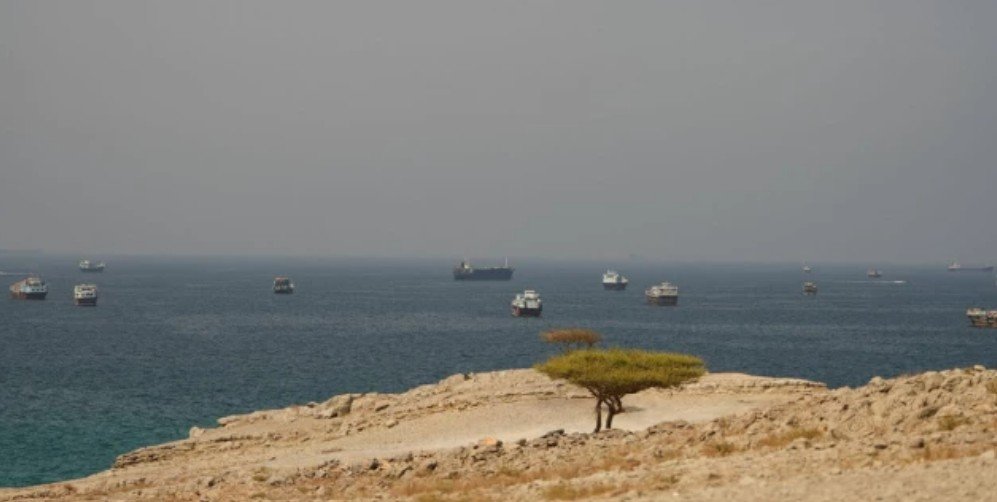
The command also denied reports that the US was imposing a $2.5 million fee on ships transiting the Strait of Hormuz.
It said that although US forces and regional partners controlled the waterway, no toll was being charged to vessels passing through it.
“Thousands of ships and billions of crude oil barrels have transited the strait freely and safely under US protection,” CENTCOM stated.
The United States and Israel launched a military campaign against Iran on February 28, prompting Tehran to retaliate with missile and drone attacks across the region. The conflict also effectively closed the Strait of Hormuz, a critical international shipping route for global energy supplies.
A memorandum of understanding signed in June had aimed to pave the way for a comprehensive peace agreement. However, the process later collapsed amid disagreements, including over navigation through the strategic waterway.

