


































































































































































































IMF Reaches $1.2 Billion Staff-Level Agreement with Pakistan, Seeks End to Fuel Subsidy

Petrova said Pakistan should promptly phase out its fuel support scheme because of its high cost and broad targeting.
ISLAMABAD: Pakistan has reached a staff-level agreement with the International Monetary Fund (IMF) for the release of approximately $1.2 billion under two loan programmes after committing to phase out its fuel subsidy scheme promptly, increase social sector spending and improve governance of state-owned enterprises (SOEs).
In a statement issued early Thursday, the IMF said its team had reached an agreement with Pakistani authorities on the fourth review of the 37-month Extended Fund Facility (EFF) and the third review of the 28-month Resilience and Sustainability Facility (RSF).
The agreement remains subject to approval by the IMF Executive Board. Following approval, Pakistan will receive approximately $1 billion under the EFF and $210 million under the RSF, bringing total disbursements under the two programmes to around $5.7 billion.
The IMF mission, led by Iva Petrova, held discussions in Karachi and Islamabad from September 23 to October 7, 2026, covering the 2026 Article IV consultation and reviews of both lending arrangements.
IMF Calls for Prompt Phase-Out of Fuel Subsidy
Petrova said Pakistan should promptly phase out its fuel support scheme because of its high cost and broad targeting.
She added that any future assistance, if international oil prices rise unexpectedly, should be limited, time-bound and targeted through established social protection programmes. Such assistance should also remain within the fiscal limits set for the financial year 2026-27.
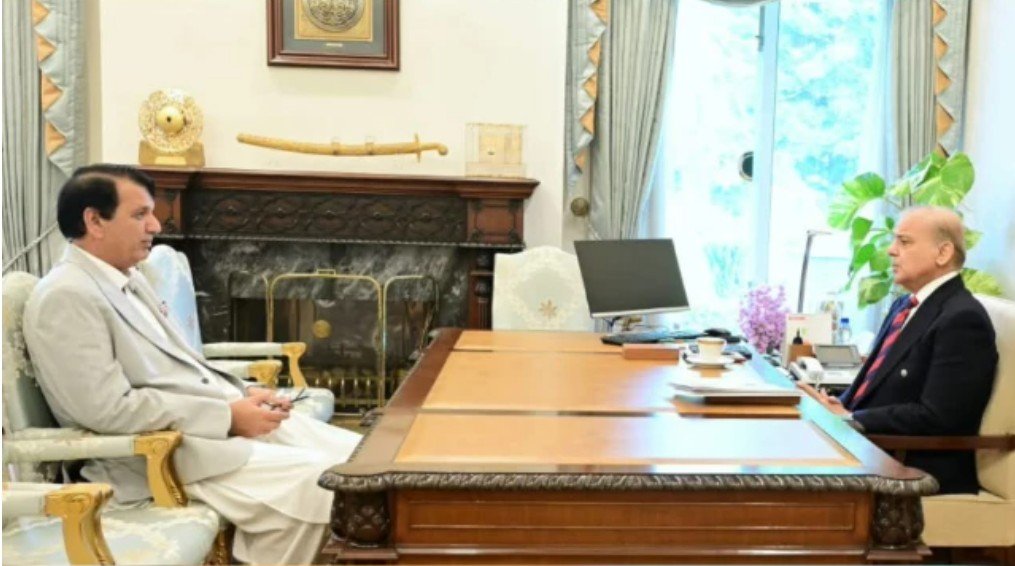
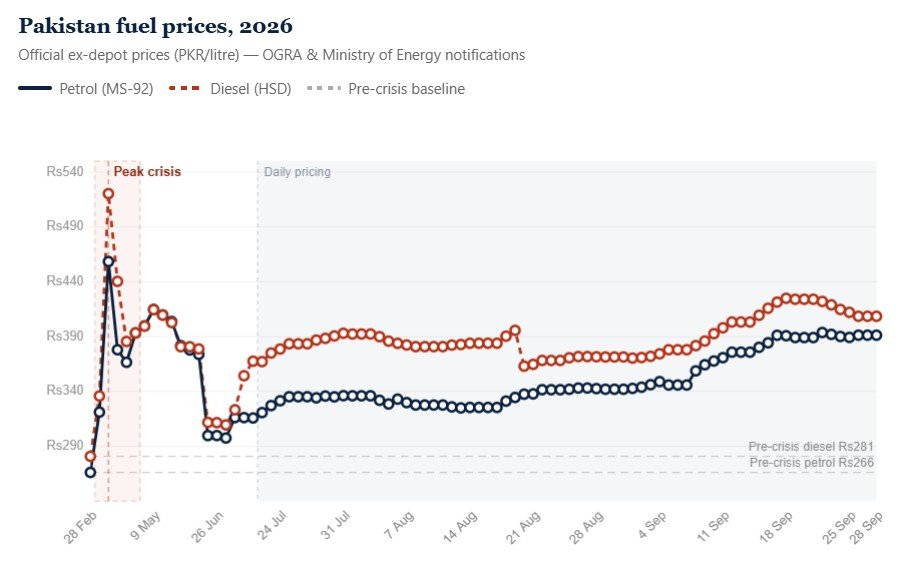
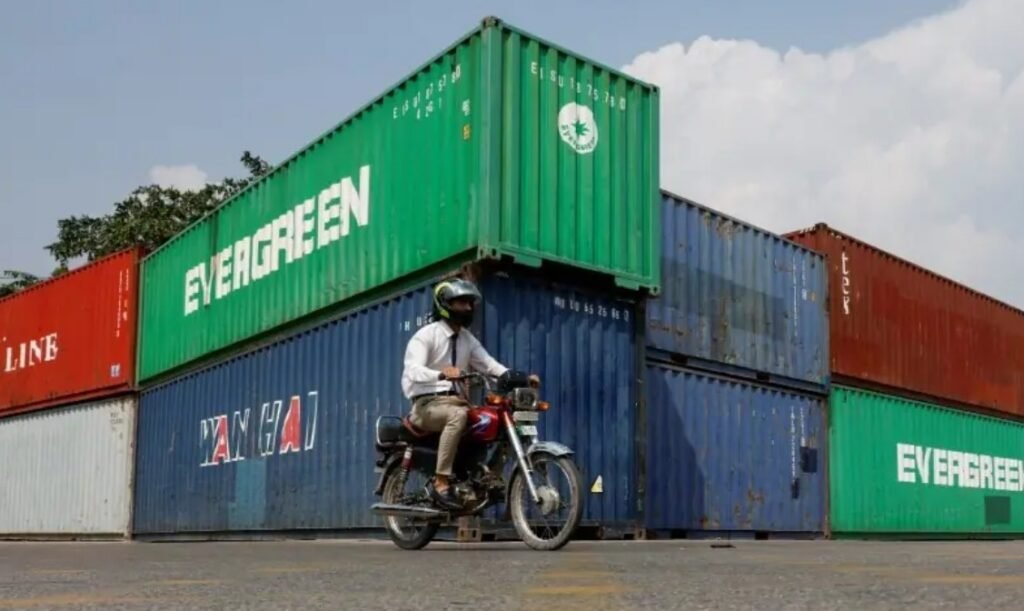
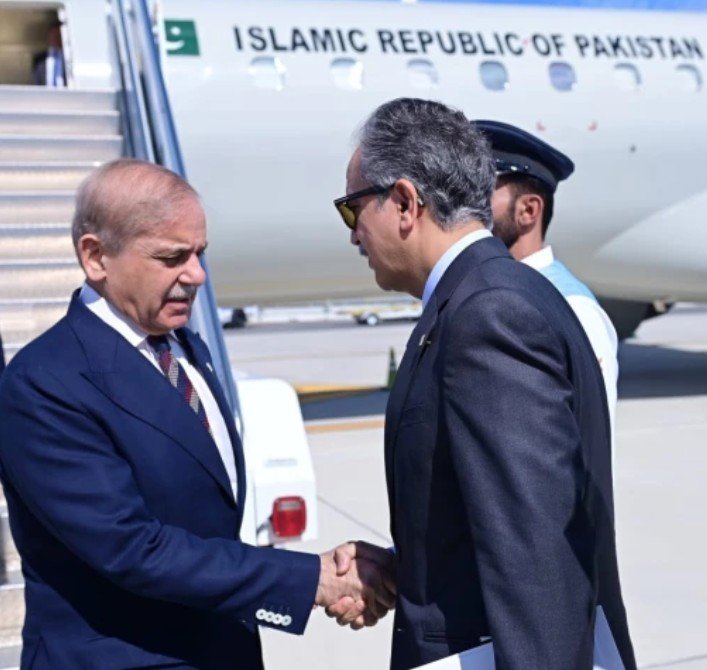
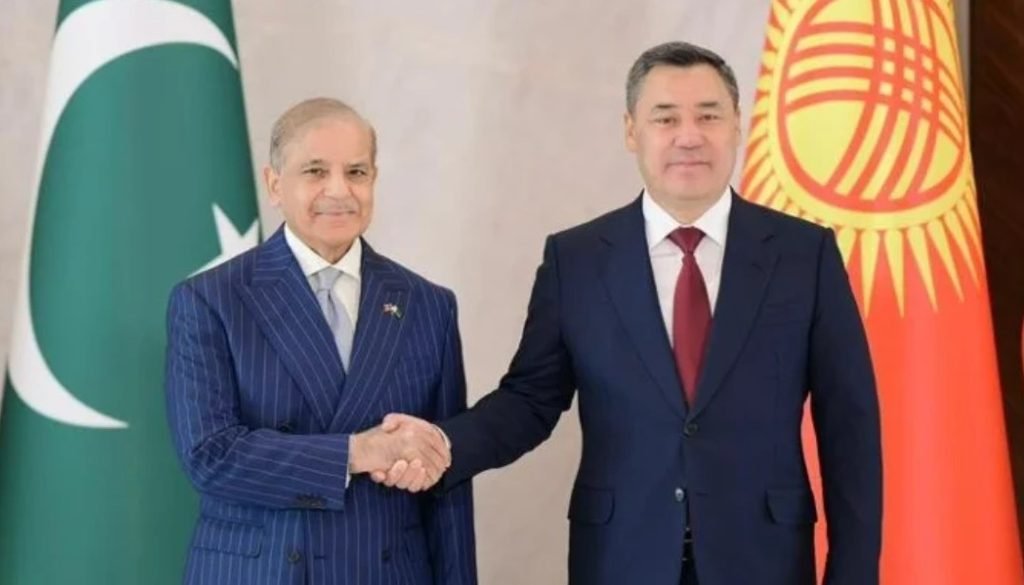
Prime Minister Shehbaz Sharif had announced a three-month fuel relief package worth Rs75 billion to provide a subsidy of Rs100 per litre on monthly consumption of up to 20 litres for motorcyclists and 30 litres for owners of cars with engines of up to 800cc.
The prime minister had also met the IMF managing director to seek support for the initiative. However, the lender maintained its objections to the scheme because of its high cost and lack of targeted assistance.
Government officials had previously indicated that the subsidy would continue for three months despite the IMF’s reservations.
Pakistan Pledges Higher Health and Education Spending
The IMF said Pakistani authorities remained committed to increasing spending on health and education to 2.8% of gross domestic product (GDP) in FY27.
Petrova said the government would closely monitor implementation and reallocate resources where necessary to achieve the target.
Pakistan has made progress in reversing the long-term decline in health and education spending, with allocations rising from 2.2% of GDP in FY24 to 2.5% in FY26, according to the IMF.
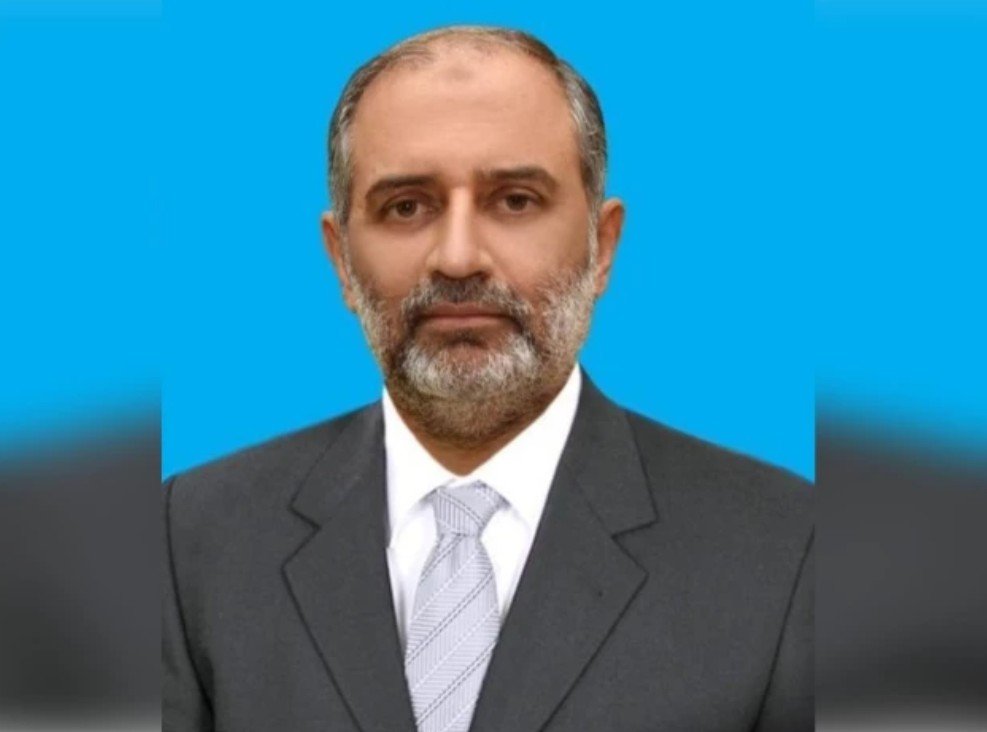
Finance Secretary Imdad Ullah Bosal said Pakistan had met the IMF’s condition on health and education spending for FY26.
The IMF also highlighted plans to increase targeted cash-transfer benefits and improve beneficiary coverage and payment systems to protect vulnerable households and promote inclusive economic growth.
Economic Stability Improves Despite Regional Tensions
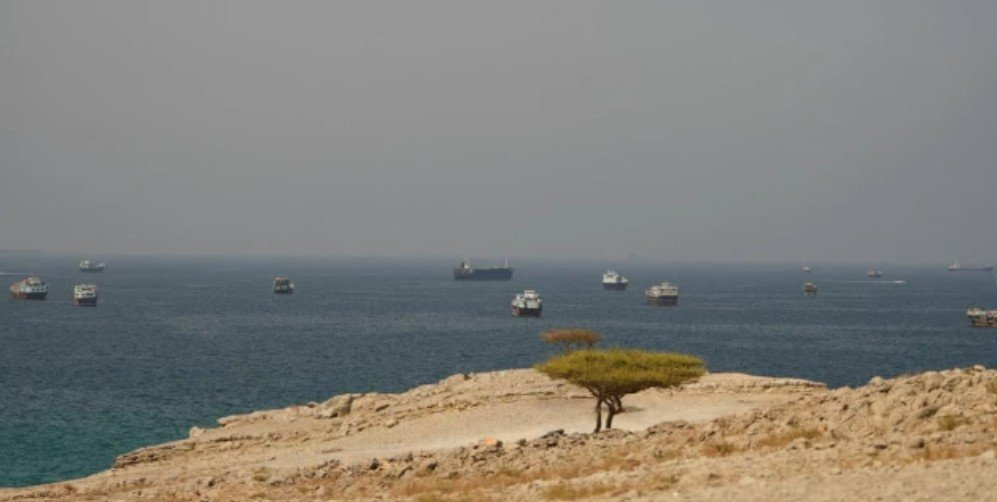
The IMF said Pakistan had successfully navigated the economic impact of the Middle East conflict, with policy measures helping preserve macroeconomic stability.
Real GDP growth reached 4% during the first three quarters of FY26. Despite some moderation caused by higher energy prices and supply disruptions, full-year growth is estimated at 3.6%.
Headline inflation eased to approximately 10.3% in September after peaking in May, while core inflation remained contained.
Pakistan’s current account remained broadly balanced during FY26, supported by strong remittances. Gross foreign exchange reserves also increased to more than $21 billion by the end of September.
However, the IMF warned that significant risks remained, particularly from geopolitical tensions, volatile energy prices, tighter global financial conditions and disruptions to international trade.
Government Targets Primary Budget Surplus of 2% of GDP
The government has reaffirmed its commitment to achieving a primary budget surplus of 2% of GDP during the current fiscal year through tax policy and revenue administration measures.
The IMF said meeting the target was critical to placing public debt on a sustainable downward path.
Planned revenue administration reforms include improved risk-based audits, digital invoicing and greater use of third-party data to strengthen tax collection and protect revenue targets.
The lender also called for a comprehensive medium-term tax reform strategy to make the system fairer, simpler and more supportive of economic growth while reducing distortions and safeguarding government revenues.
Pakistan is also working to strengthen public financial management, improve budget transparency, increase the efficiency of public investment and procurement, and enhance government cash management.
The authorities have pledged to reduce debt rollover risks and servicing costs while developing the domestic government securities market and diversifying its investor base.
IMF Stresses Tight Monetary Policy and Exchange Rate Flexibility
The IMF emphasised that the State Bank of Pakistan (SBP) should maintain an appropriate monetary policy stance and exchange rate flexibility to protect economic stability.
The lender said monetary policy should remain sufficiently tight to ensure inflation returns sustainably to the central bank’s target range.
It added that exchange rate flexibility would continue to serve as an important buffer against external shocks.
Further accumulation of foreign exchange reserves, gradual liberalisation of the foreign exchange regime and deeper domestic financial markets were also identified as priorities for strengthening economic resilience and supporting private sector development.
Energy Sector Reforms Remain a Priority
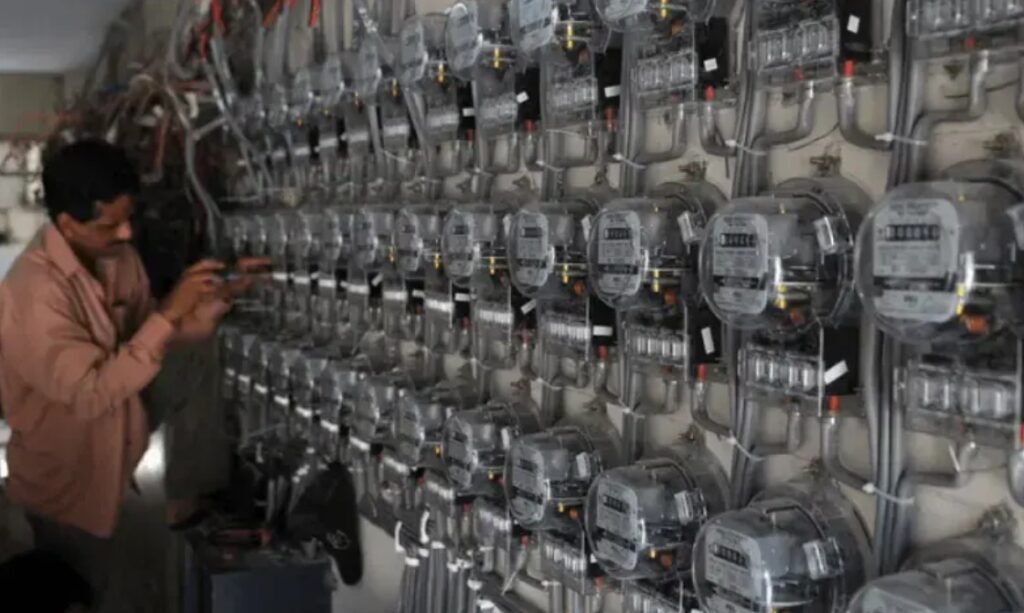
The IMF reiterated that timely tariff adjustments and cost-reduction measures were necessary to prevent a renewed accumulation of circular debt in the energy sector while protecting vulnerable consumers.
Key priorities include improving the efficiency of the power sector, expanding private sector participation in electricity distribution, increasing competition in electricity markets, maintaining cost recovery in the gas sector and reducing unaccounted-for gas losses.
The lender said these reforms were essential to improving the financial sustainability of the energy sector and reducing pressure on public finances.
IMF Calls for SOE Governance and Structural Reforms
The IMF’s Article IV consultation focused on reforms aimed at transforming Pakistan’s economy towards higher-value-added activities and narrowing development gaps with comparable countries.
Petrova highlighted the need to strengthen competition, reduce regulatory and trade barriers, advance privatisation, improve governance and transparency in state-owned enterprises, and reinforce governance and anti-corruption institutions.
The lender said a simpler and fairer tax system, greater investment in human and capital development, a more cost-efficient energy sector and deeper financial markets would help raise productivity.
These measures are also expected to support labour force participation, job creation, private investment and exports.
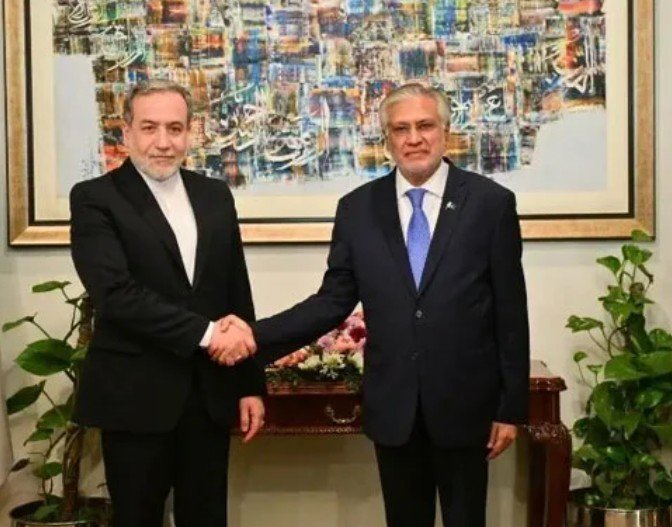
Finance Minister Meets IMF Mission Chief
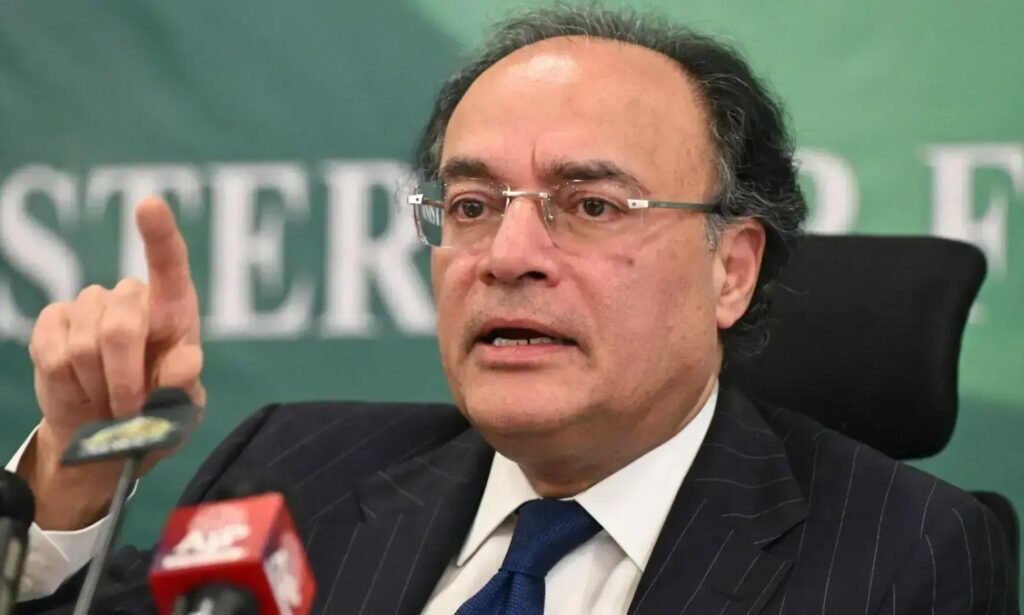
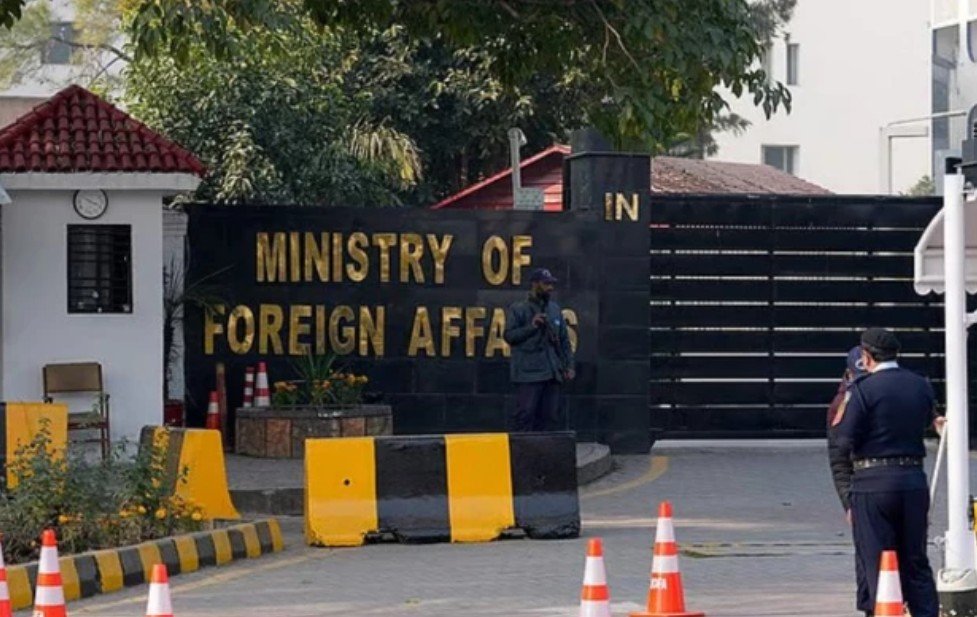
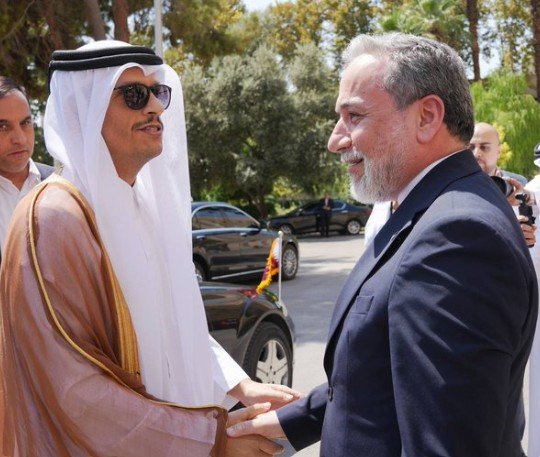
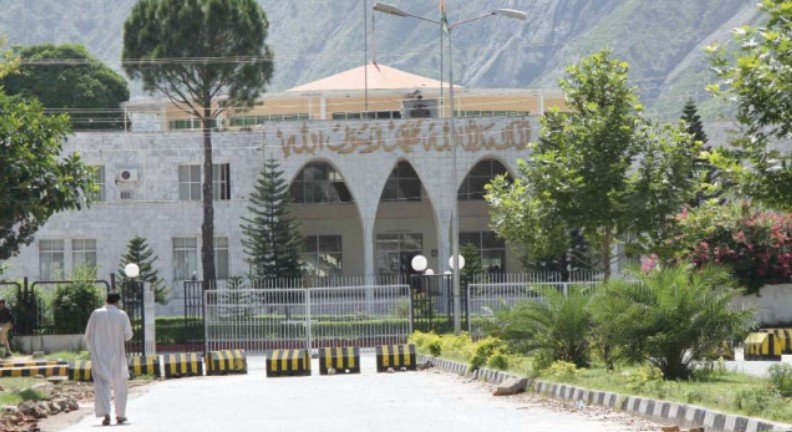
In a post on X, the Ministry of Finance said IMF mission chief Iva Petrova held a wrap-up meeting with Finance Minister Muhammad Aurangzeb at Q Block of the Pakistan Secretariat in Islamabad following the conclusion of the latest programme reviews.
Finance Secretary Imdad Ullah Bosal and IMF Resident Representative Mahir Binici also attended the meeting, according to the ministry.

