



























































































































































































































































































The ICC Under Fire: How Global Power Exposes the Limits of International Justice

The ultimate test is whether states will defend those principles when doing so carries a political or economic cost.
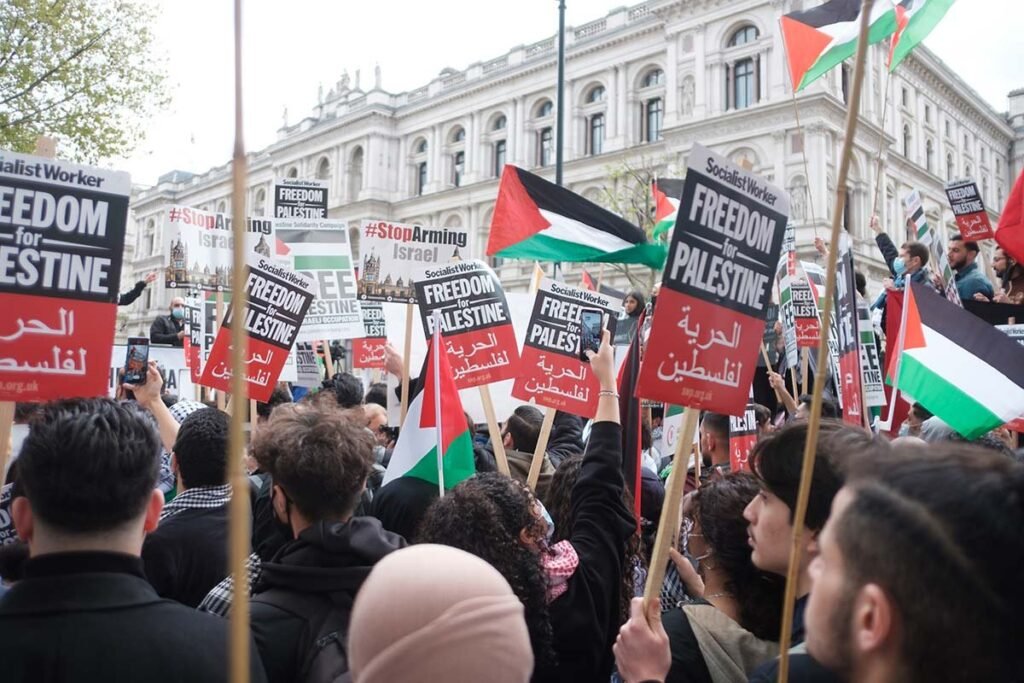
Opinion | International Law, Palestine and the Global South
The confrontation between Washington and the International Criminal Court (ICC) has exposed a fundamental contradiction at the heart of the international legal order: the promise of universal justice remains vulnerable when accountability threatens the interests of powerful states and their allies.
The developments described in the account of October 9, 2026, illustrate this tension. On one side stands the international legal system, built around the principle that political power should not place individuals or governments beyond the reach of justice. On the other stands the political reality in which powerful states retain considerable influence over the institutions, resources and mechanisms intended to uphold that principle.
The central question is no longer simply whether international law can establish responsibility for alleged atrocities. It is whether the international community will defend the institutions responsible for applying that law when their decisions challenge powerful political interests.
The Global South Challenges the Existing Order
South Africa’s December 2023 case against Israel at the International Court of Justice (ICJ) represented a significant use of international law by a state from the Global South. Invoking the Genocide Convention, Pretoria sought legal intervention over Israel’s military campaign in Gaza, arguing that the convention’s obligations required urgent action.
The case demonstrated how countries outside the traditional centres of Western power could use existing legal instruments to challenge the conduct of a state closely aligned with major Western governments.
The ICJ subsequently ordered provisional measures in January 2024, requiring Israel to take steps to prevent acts prohibited under the Genocide Convention and address the humanitarian situation. These measures were not a final judgment that genocide had occurred. Nevertheless, they established the legal seriousness of the allegations and placed the case within the framework of international judicial scrutiny.
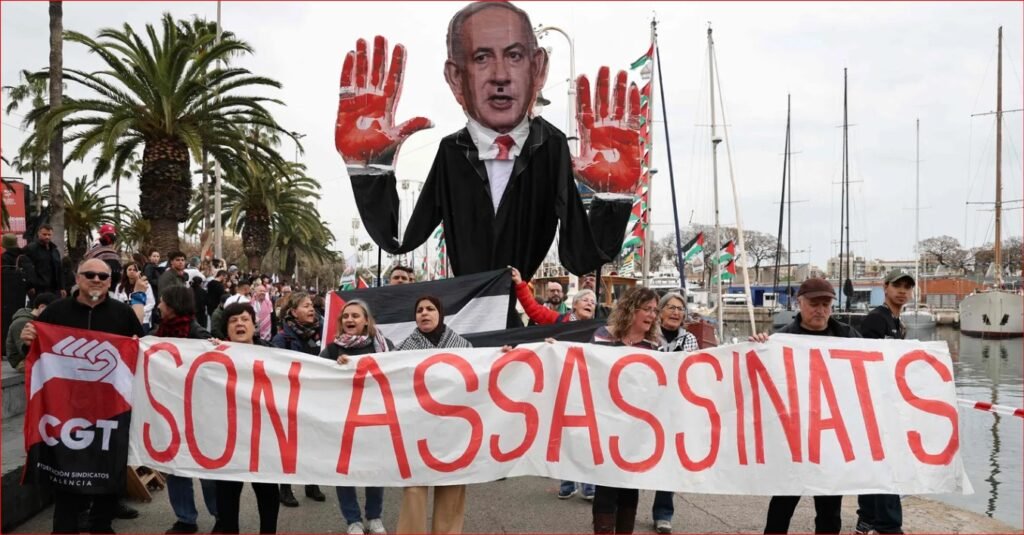
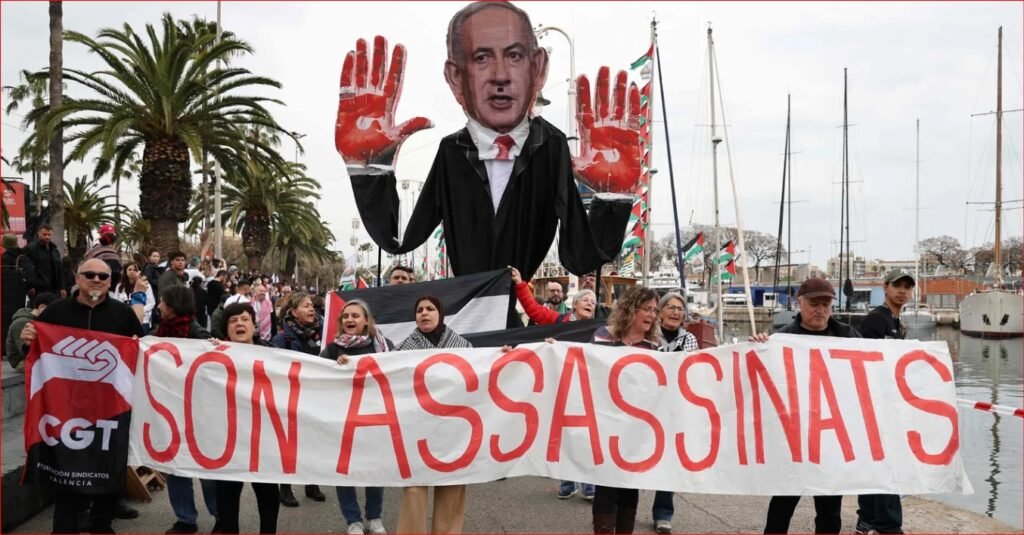
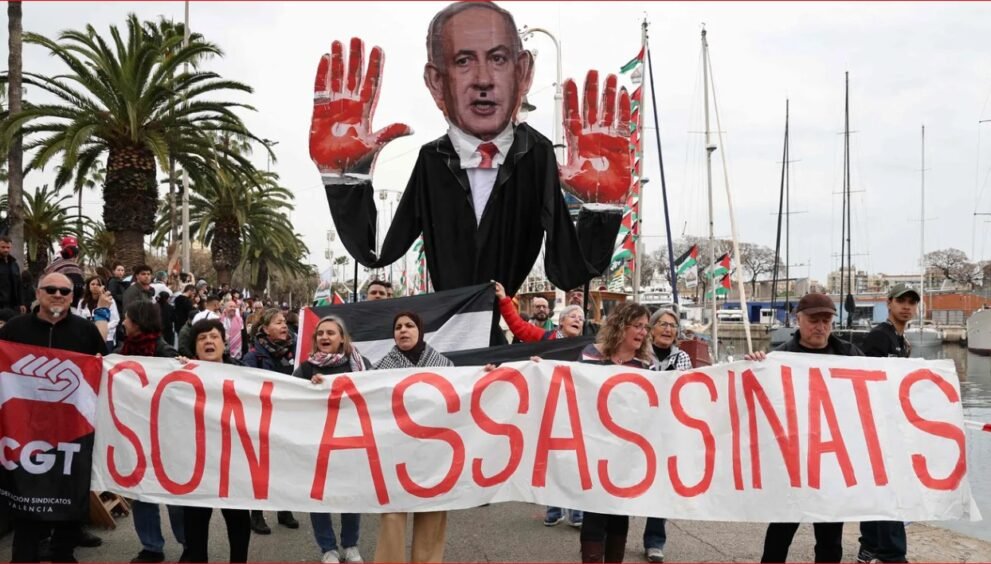
Parallel proceedings at the ICC brought a separate dimension to the debate. In November 2024, the court issued arrest warrants for Israeli Prime Minister Benjamin Netanyahu and former defence minister Yoav Gallant over alleged war crimes and crimes against humanity. The warrants were not convictions, but they represented a significant exercise of the court’s jurisdiction.
Together, these developments intensified a debate that had long troubled international justice: can legal institutions exercise their authority consistently, regardless of the political power or international alliances of those under scrutiny?
Universal Justice Cannot Depend on Political Convenience
The ICC was established under the Rome Statute to prosecute individuals for genocide, crimes against humanity, war crimes and the crime of aggression within the limits of its jurisdiction.
Its authority does not depend on whether a government welcomes a particular investigation. Nor should political alliances determine whether judicial decisions are respected.
Yet the court operates in an international system where enforcement depends heavily on state cooperation. It has no independent police force capable of executing arrest warrants worldwide. Its investigations and operations also depend on financial contributions, technical infrastructure and assistance from member states.
These dependencies create opportunities for political pressure.
The United States has historically resisted aspects of the ICC’s jurisdiction, particularly where American personnel or close allies could be affected. Washington is not a party to the Rome Statute and disputes the court’s authority over certain nationals of non-member states.
However, disagreement with the court’s jurisdiction or decisions does not resolve the broader question of whether sanctions designed to obstruct its work undermine international accountability.
There is an important distinction between criticising a judicial institution, challenging its jurisdiction through legal procedures and imposing economic or technological restrictions intended to constrain its operations.
When powerful governments choose coercion over legal engagement, they risk weakening the very principles they invoke when international courts pursue adversaries.
Washington’s Contradictory Relationship With the ICC
The United States has maintained a complicated relationship with international criminal justice. It voted against the Rome Statute in 1998, later withdrew its signature and adopted measures intended to protect American personnel from the court’s jurisdiction.
At the same time, Washington has supported international accountability in selected circumstances, including the 2011 UN Security Council referral of the situation in Libya to the ICC.
These positions reflect a longstanding tension between supporting international justice as a principle and preserving national discretion over when and how that principle applies.
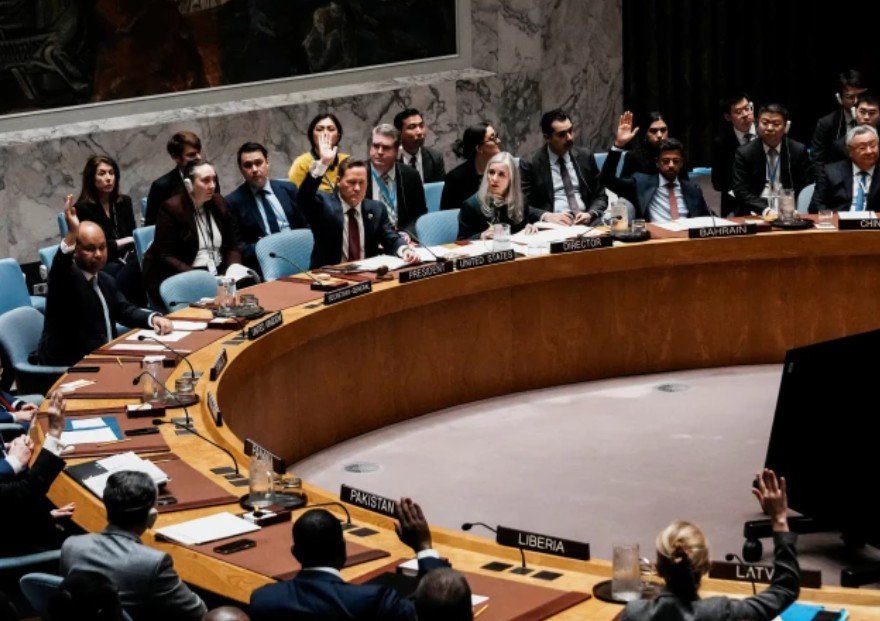
The Security Council itself embodies part of this contradiction. Its permanent members possess veto powers that allow them to block substantive resolutions, including certain measures that could affect their own interests or those of their allies.
This structure was created through the political settlement that followed the Second World War. It gave the major powers a central role in maintaining international peace and security, but it also embedded unequal authority into the international system.
The result is an institutional order that speaks the language of sovereign equality while distributing decision-making power unevenly.
That contradiction becomes particularly visible when international legal proceedings involve countries with strong diplomatic, military or economic relationships with the permanent members.
Sanctions Against a Court Raise a Dangerous Question
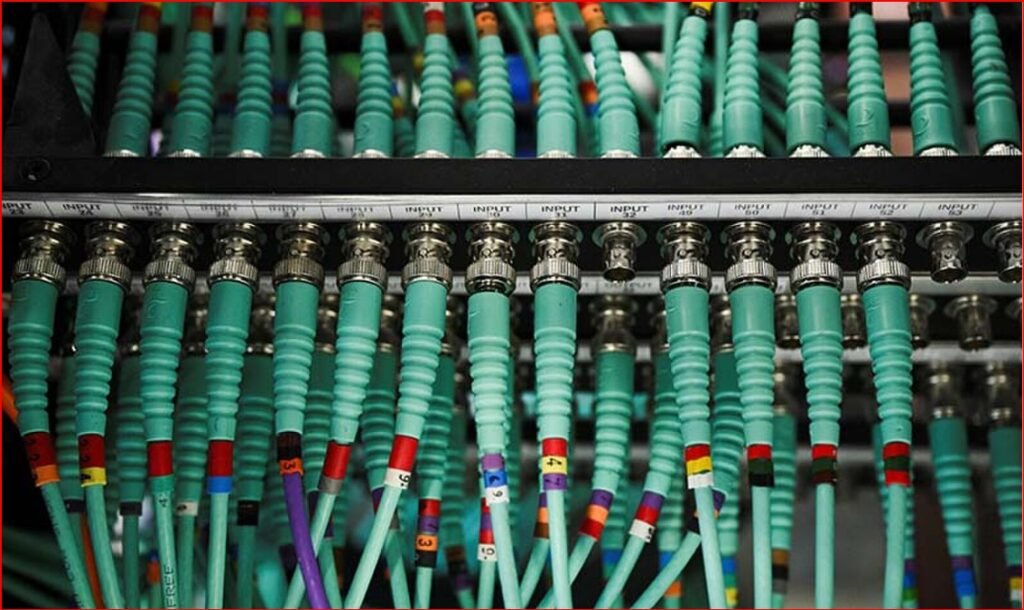
Sanctions targeting ICC officials have already demonstrated how political pressure can affect international judicial work. Measures directed against the institution itself would raise the stakes further by potentially restricting its access to financial services, technology and other essential resources.
Such restrictions would not merely express disagreement with individual rulings. Depending on their scope and implementation, they could affect the court’s broader ability to investigate crimes and carry out its mandate.
The principle at stake extends beyond Palestine or Israel. An international court weakened because its investigations challenge a powerful state’s interests could face similar pressure in future cases involving other regions and political alliances.
That would send a damaging message to victims of atrocities: international justice may be available, but its practical reach depends on the identity and influence of those accused.
The credibility of international institutions cannot be sustained through selective respect for their authority. Governments that support accountability when it serves their interests must also explain why the same principles should cease to apply when the political circumstances change.
The Global South Has Changed the Debate
For decades, many countries in Africa, Asia and Latin America have questioned whether international justice operates consistently. Critics have argued that the system has often exercised its coercive power unevenly, while political considerations have constrained scrutiny of more powerful states.
The ICC’s early concentration on African situations became a major source of criticism. African governments and institutions raised concerns about selective prosecution, although the court’s jurisdiction and the circumstances of individual cases vary.
The proceedings concerning Gaza have brought these concerns into sharper focus. South Africa’s case at the ICJ showed that states outside the traditional Western power structure could mobilise international law against a government supported by influential Western allies.
This mobilisation does not guarantee a particular legal outcome. Nor does the participation of Global South states automatically establish that every allegation made in the proceedings is correct.
Its significance lies in the assertion that international law must be available to all states and peoples, rather than functioning as an instrument whose reach is determined by geopolitical influence.
The challenge now is whether this legal mobilisation can be translated into sustained institutional support.
Defending International Law Requires More Than Courtroom Victories
Legal proceedings can establish obligations, clarify jurisdiction and produce authoritative findings. But judicial decisions alone cannot guarantee compliance.
The effectiveness of international law depends on governments’ willingness to cooperate, honour their obligations and resist political pressure when enforcement becomes difficult.
For the countries that have supported proceedings concerning Gaza, the challenge extends beyond presenting evidence or securing provisional measures. It includes defending the independence of international institutions, maintaining financial and technical support for their work, and insisting that legal obligations apply consistently.
This responsibility also extends to Western governments that have historically championed international accountability. Their credibility depends not on whether they agree with every decision but on whether they accept the legitimacy of independent legal processes.
International courts must, in turn, maintain rigorous evidentiary standards, apply their statutes consistently and protect their independence from political influence. Their authority ultimately rests on law, not on the geopolitical identity of the parties involved.
The Future of Universal Justice
The confrontation over the ICC reveals a deeper struggle over the meaning of a rules-based international order.
If international law is universal, its application cannot depend on whether a state is powerful, strategically important or politically aligned with the governments capable of enforcing it.
If institutions are independent, their work cannot be permitted to continue only when their decisions are politically convenient.
And if accountability is a genuine international objective, efforts to weaken judicial institutions because they investigate powerful actors deserve serious scrutiny.
The international legal system has never been free from political inequality. Its institutions emerged from a world shaped by war, colonialism and competing national interests. Nevertheless, their imperfections do not make the principles they uphold meaningless. They make consistent enforcement more important.
The ultimate test is whether states will defend those principles when doing so carries a political or economic cost.
For the Global South, the task is not simply to challenge Western influence. It is to help build an international order in which legal rights and obligations are applied consistently, regardless of power or alliance.
For Washington and other influential governments, the choice is equally consequential: engage with international institutions through law and diplomacy, or risk reinforcing the perception that universal justice has limits whenever it reaches the powerful.
International law will not achieve universality merely because its founding documents promise equality. It will move closer to that goal only when the same standards are defended for allies and adversaries alike.

