TRIBUNE POINT | LATEST NEWS > Blog > Pakistan > ISLAMABAD: Projecting Pakistan’s economic growth at 3.8 per cent and fiscal deficit at 3.5 per cent for the current fiscal year, the World Bank said on Tuesday
ISLAMABAD: Projecting Pakistan’s economic growth at 3.8 per cent and fiscal deficit at 3.5 per cent for the current fiscal year, the World Bank said on Tuesday
zeenat Ali / 4 hours
October 7, 2026
0
3 min read
the country was home to almost half of the extremely poor population in the entire Middle East, North Africa and Afghanistan-Pakistan (Menaap) region.
“Menaap is the only region in the world in which poverty remains above pre-pandemic levels and continues to rise. Pakistan accounts for nearly half of the region’s extreme poor,” the Washington-based lending agency said in its Economic Outlook ahead of the IMF-WB annual meetings next week.
A prolonged slowdown in tourism, construction and related services could reduce labour demand and weaken income flows to labour-sending economies, particularly Pakistan and parts of the Levant, it added.
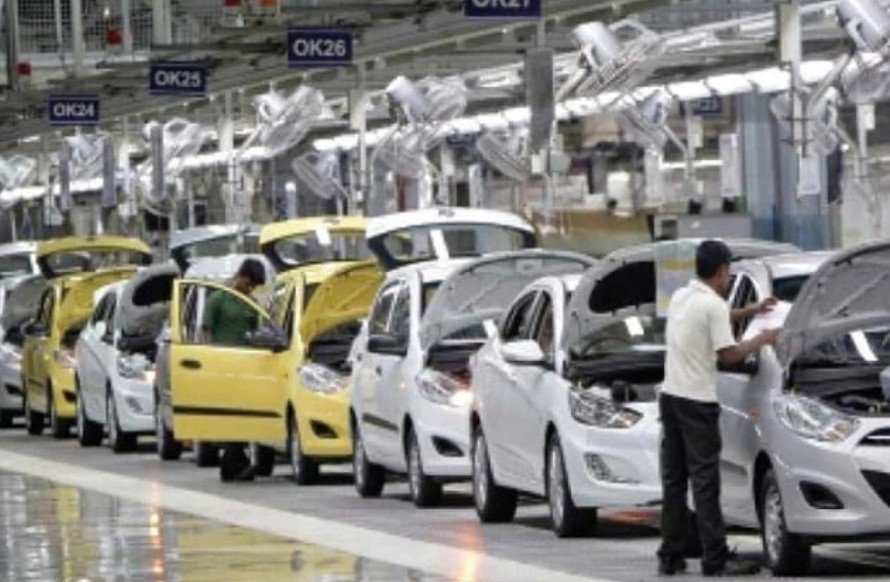
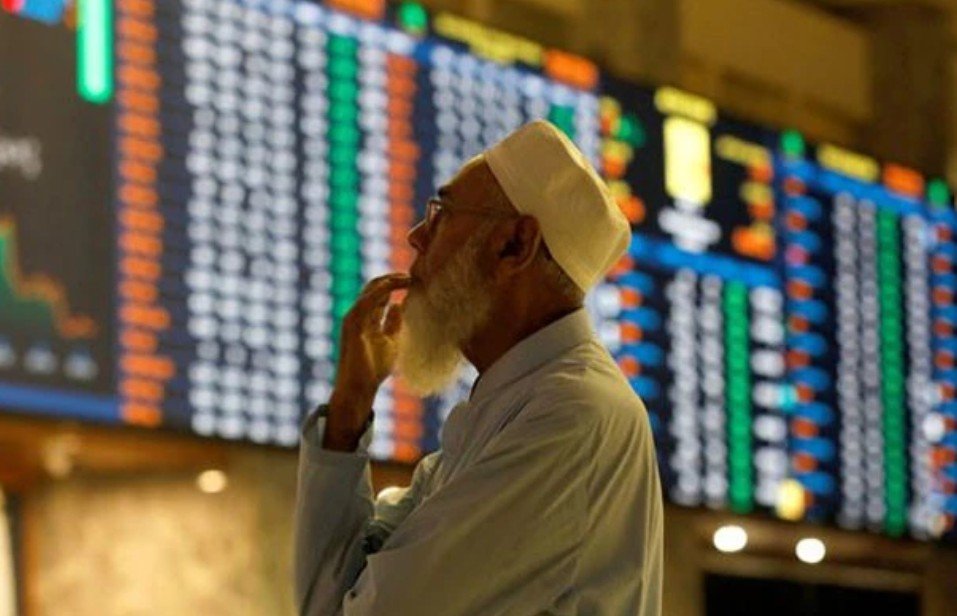
It estimated GDP growth would increase from 3.2pc in FY25 to 3.7pc in FY26 and 3.8pc in FY27, as services, manufacturing and livestock production remain resilient despite rising import costs. Higher commodity and transport costs are expected to put pressure on inflation and external balances, but continued strength in domestic activity is expected to outweigh these pressures.
World Bank says 48pc of ‘extreme poor’ from ME region are in Pakistan
What’s shaping growth across regions?
The latest Regional Economic Updates explore key trends shaping growth and jobs.
Explore the latest insights from:
➡️ Africa ➡️ East Asia & Pacific ➡️ Europe and Central Asia ➡️ Latin America and the Caribbean ➡️ Middle East, North Africa,… pic.twitter.com/F7WWasNGND
The bank estimated the current account deficit at 0.1pc in FY2026, increasing significantly to 0.8pc in FY2027, while the fiscal deficit was estimated at 2.6pc in FY2026, rising to 3.5pc in FY2027.
It reported that food insecurity remained particularly acute in the occupied West Bank and Gaza and the Republic of Yemen, with significant pressures also evident in Afghanistan, Djibouti, Lebanon and Pakistan.
A stronger-than-usual El Niño weather pattern predicted for late 2026 could further amplify food-price pressures and hurt the poor. Pakistan is directly exposed through changing monsoon conditions, it said.
The burden of poverty was highly concentrated in the region.
“Pakistan accounts for about 48pc of the people in the region living below the $3.00 per day poverty line. Afghanistan, the Syrian Arab Republic and the Republic of Yemen together account for another 47pc,” it said.
The most recent estimates show poverty rates at the $3.00-per-day line approached or exceeded 20pc in Djibouti, Pakistan, Syria and the Republic of Yemen. In 2024, 14.3pc of the Menaap region’s population lived on less than $3.00 a day, compared with 10.4pc globally, while 26.9pc lived on less than $4.20 a day, compared with 18.9pc worldwide.
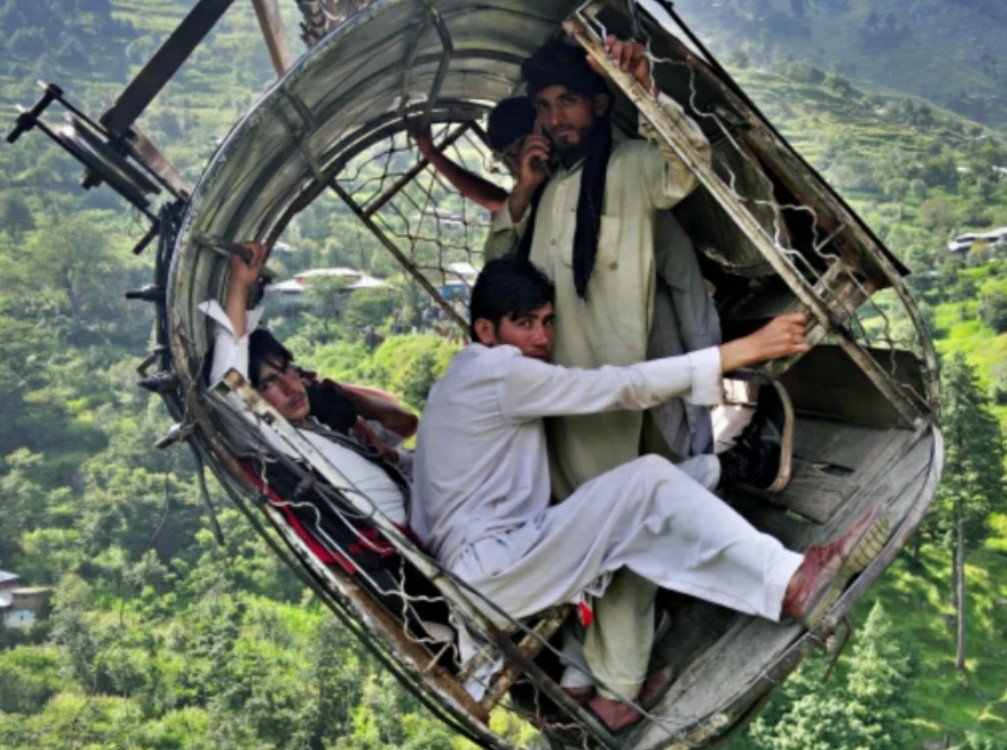
“The increase was driven primarily by a rise in poverty in Pakistan, where the poverty rate rose by 6.4 percentage points at the $3.00-per-day line and 3.2 percentage points at the $4.20-per-day line between 2018/19 and 2024/25, following a succession of adverse shocks, including the Covid-19 pandemic, the devastating 2022 floods, a macroeconomic crisis marked by high inflation and currency depreciation, and a prolonged period of economic adjustment that weakened real household incomes and employment opportunities.”
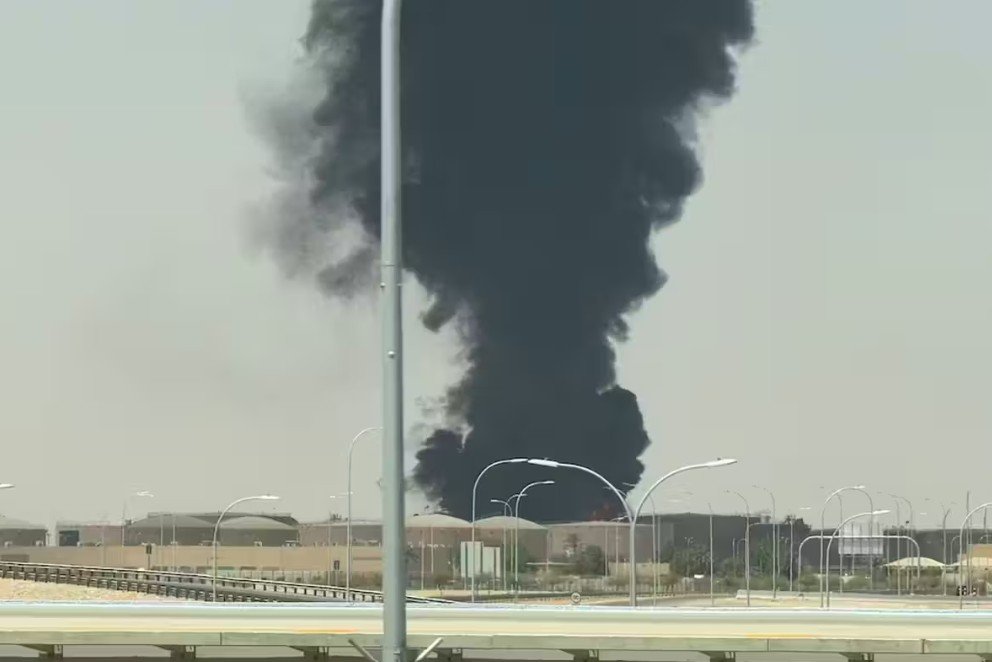
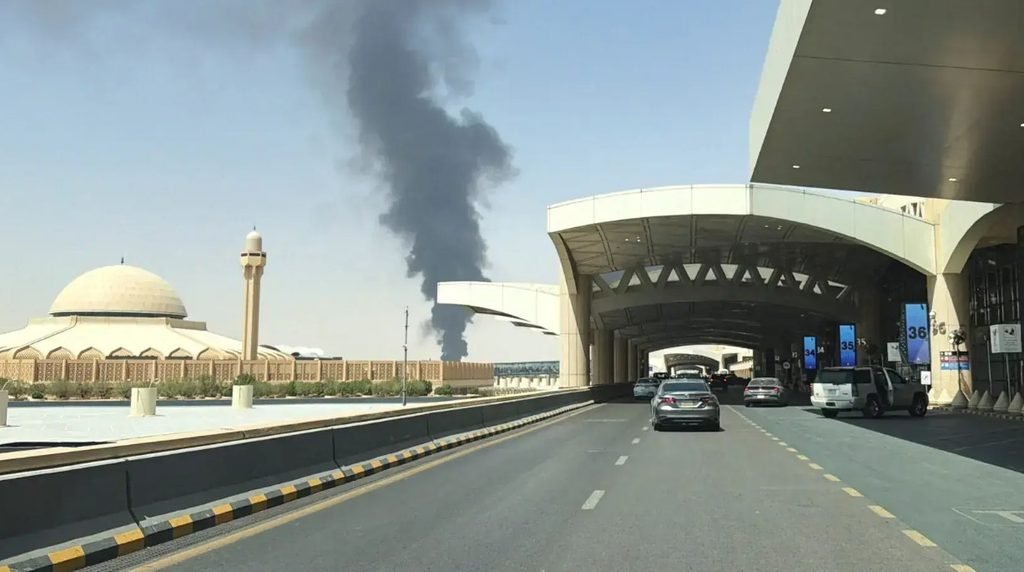
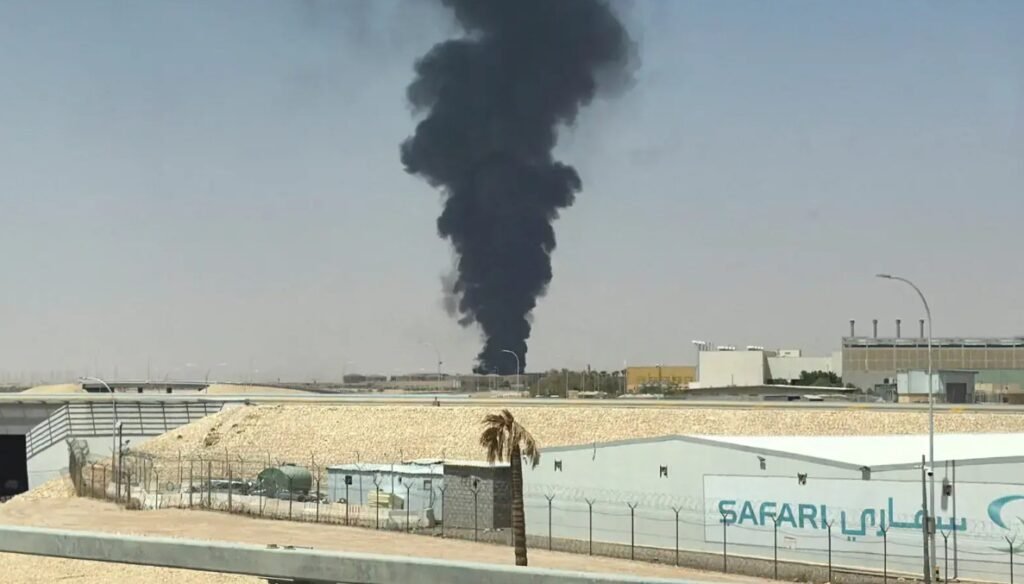
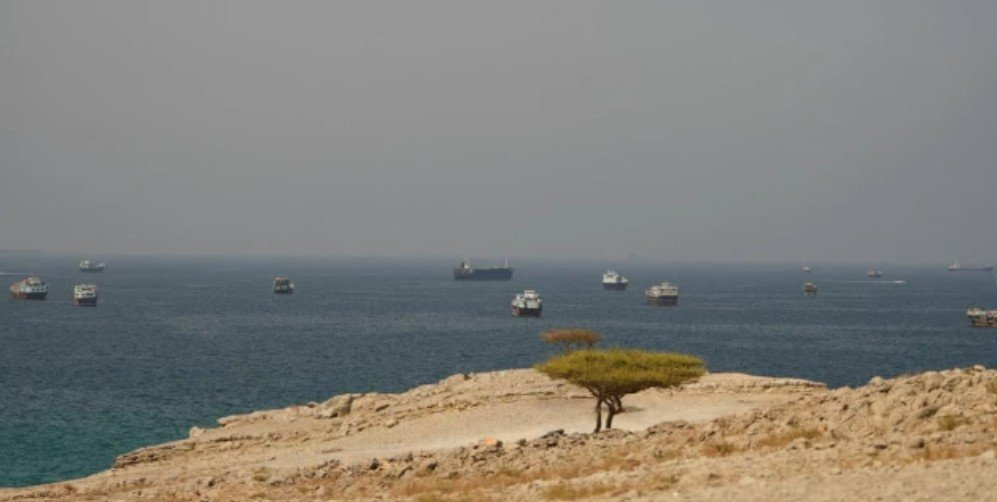
Economic losses stemming from the US-Iran conflict are also concentrated in the region, but their ultimate scale remains highly uncertain and will depend on how the conflict evolves.
Under the baseline assumption that disruptions persist through the end of 2026 without sustained further escalation, the region is projected to contract by 2.1pc in 2026, after growing 3.3pc in 2025.
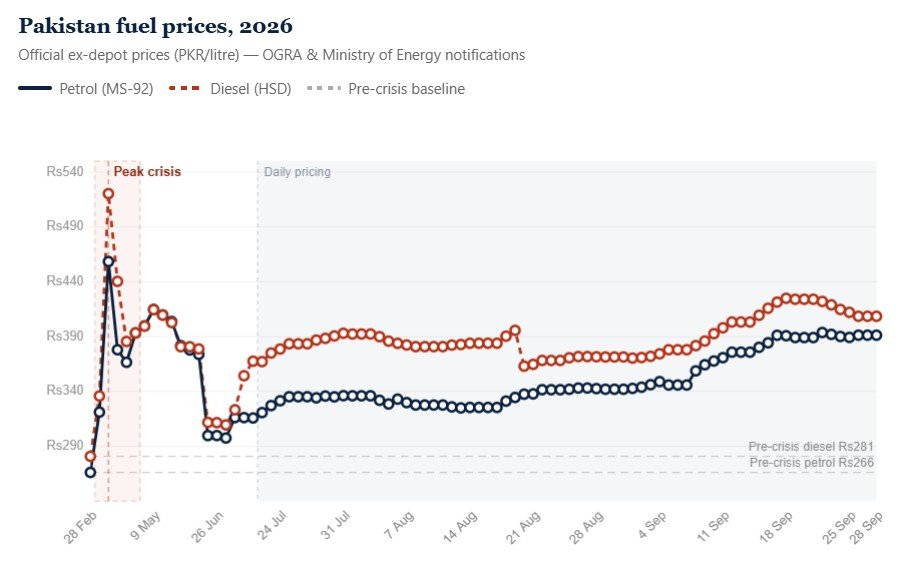
Oil-importing countries — Djibouti, the Arab Republic of Egypt, Jordan, Morocco, Pakistan and Tunisia — remain exposed through economic channels, including rising inflationary pressures from higher oil and other commodity prices, loss of fiscal space, a decline in remittances from the Gulf economies and increased borrowing costs, mainly because of higher insurance risk premiums as the conflict persists.