


























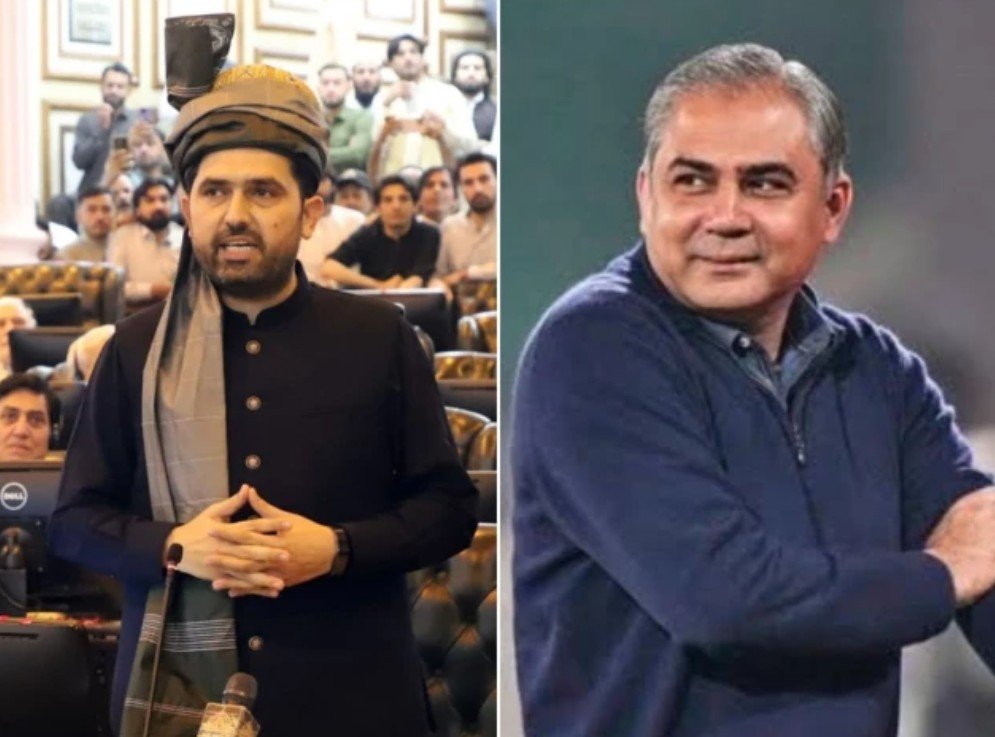



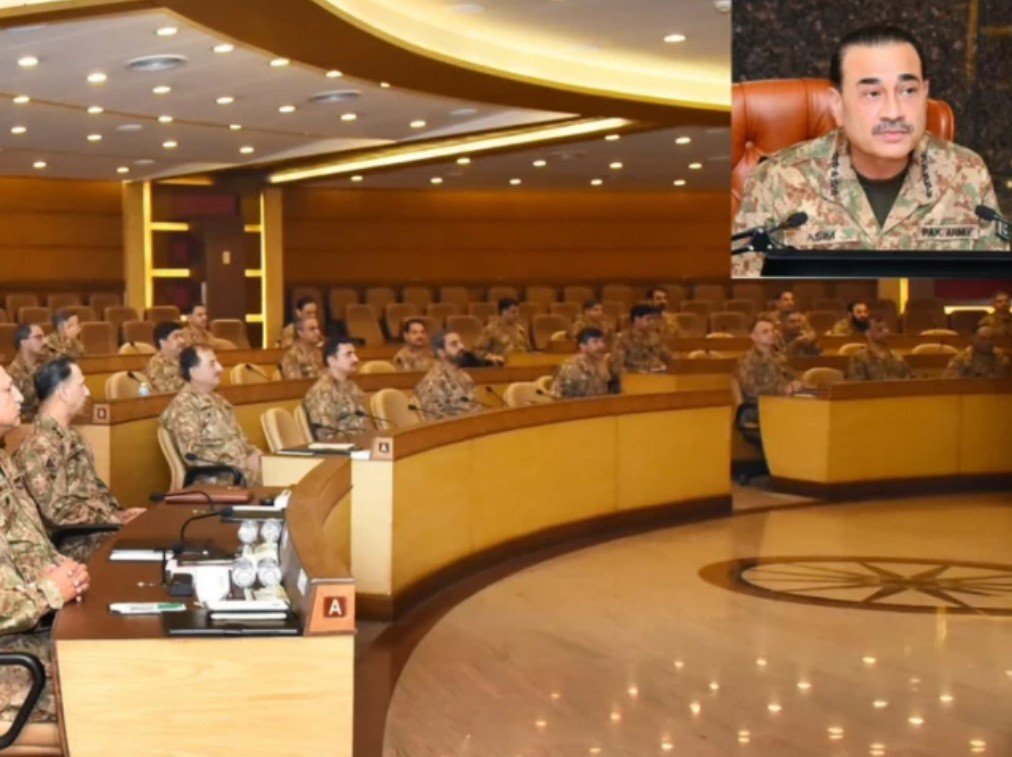


























































































































































Ministers accused the Pakistan Tehreek-e-Insaf (PTI)-led government in Khyber Pakhtunkhwa (KP) of maintaining links with terrorist groups

Federal Government Forms KP Advisory Council After Emergency Imposition
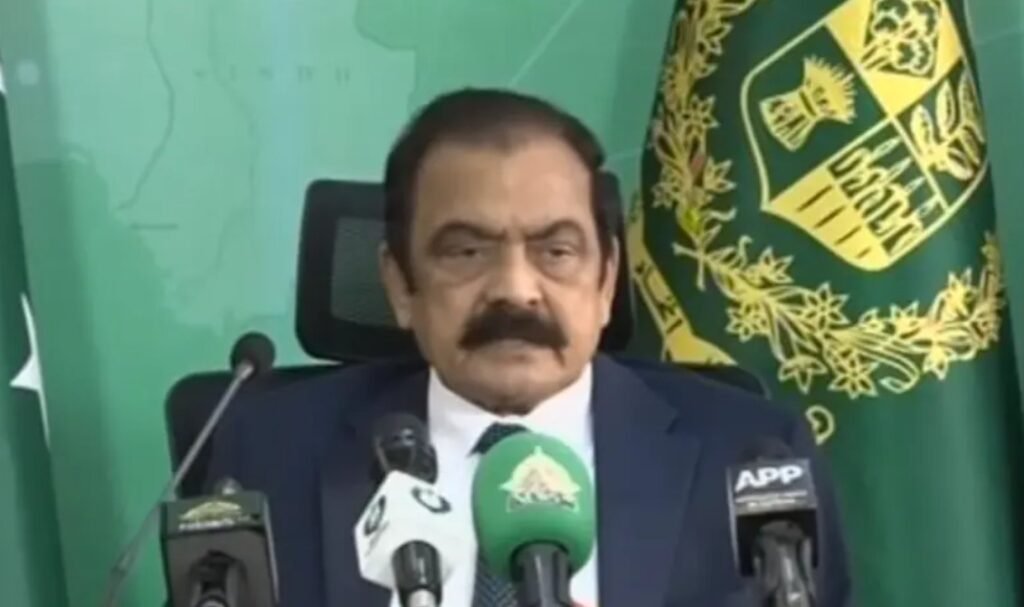
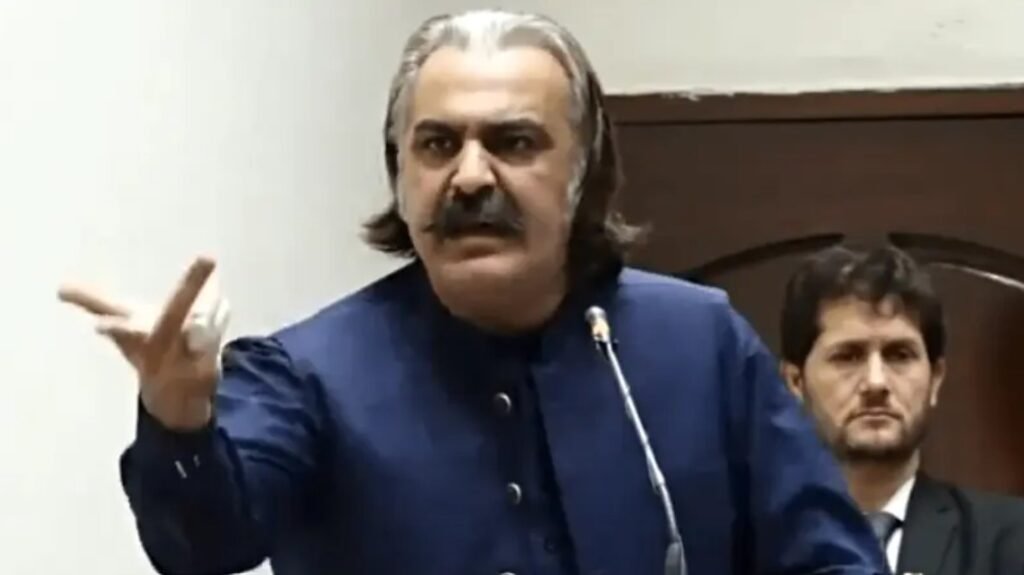
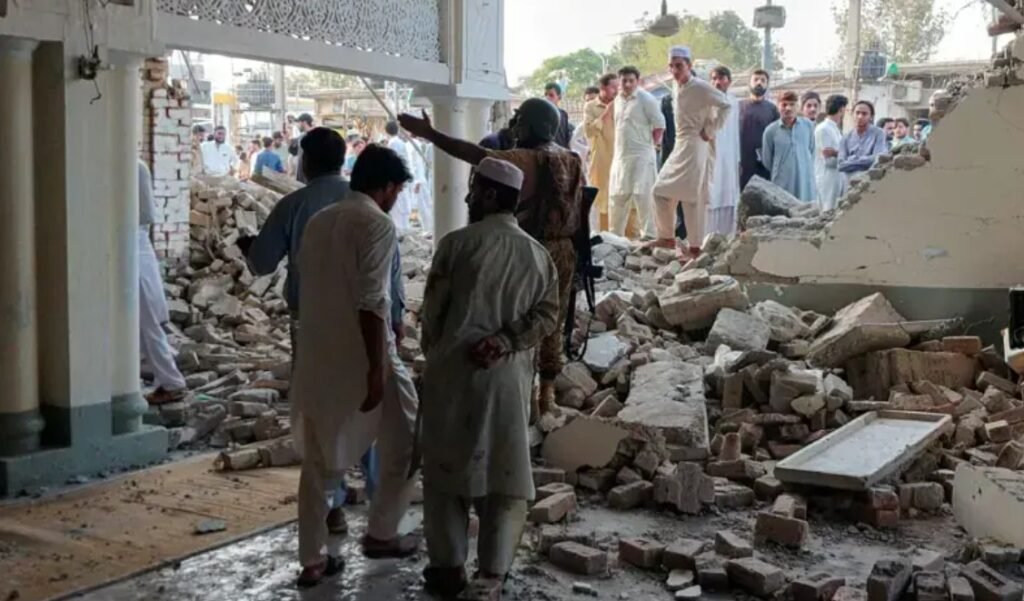
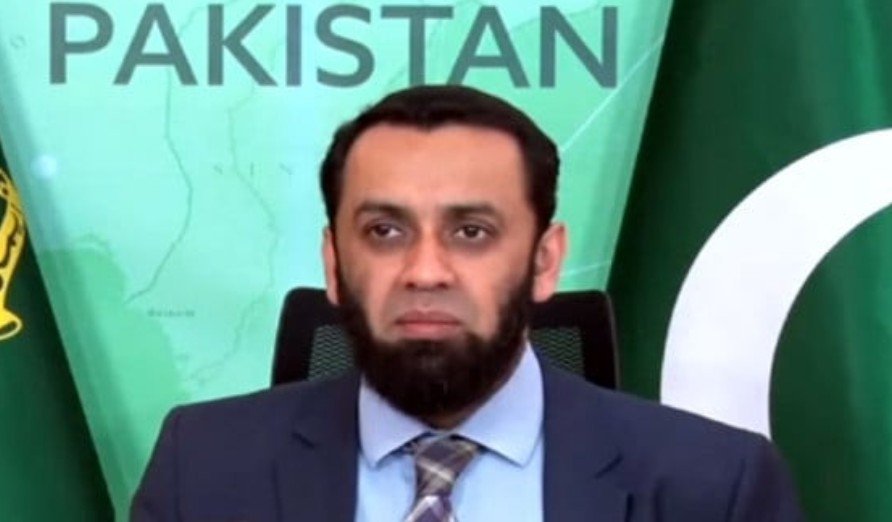
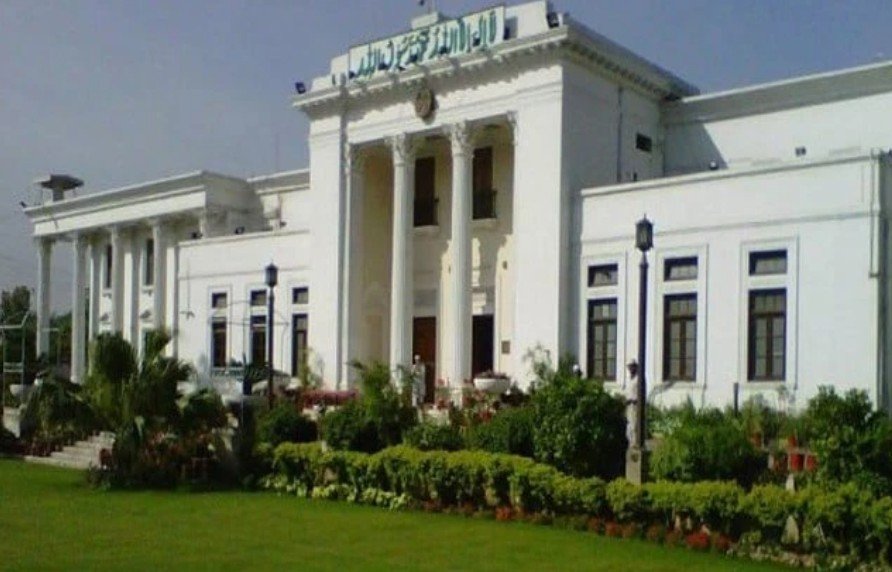
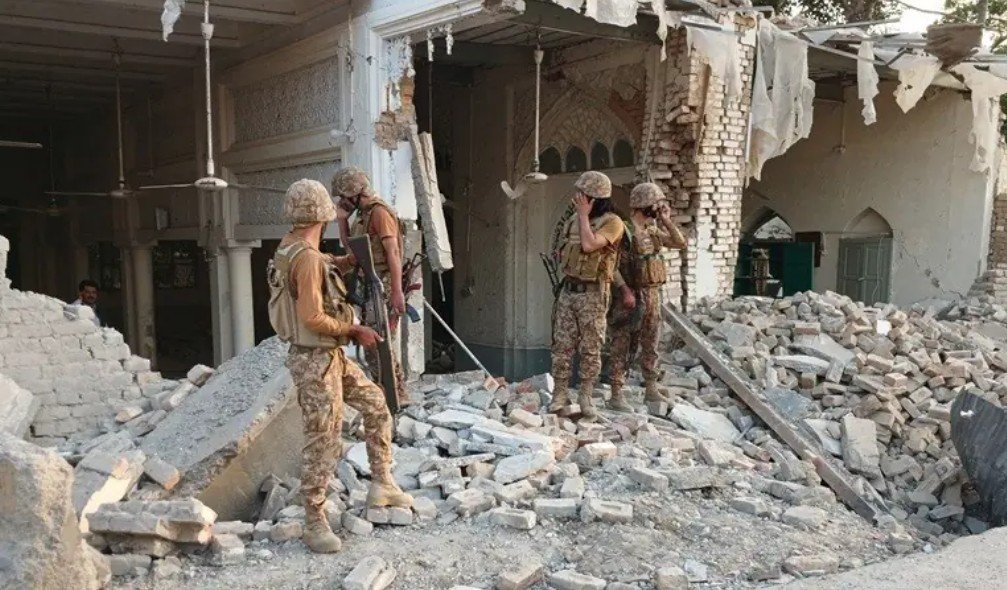
ISLAMABAD: Information Minister Attaullah Tarar has accused the Pakistan Tehreek-e-Insaf (PTI)-led government in Khyber Pakhtunkhwa (KP) of maintaining links with terrorist groups, as the federal government defended its decision to impose an emergency in the province over the worsening security situation.
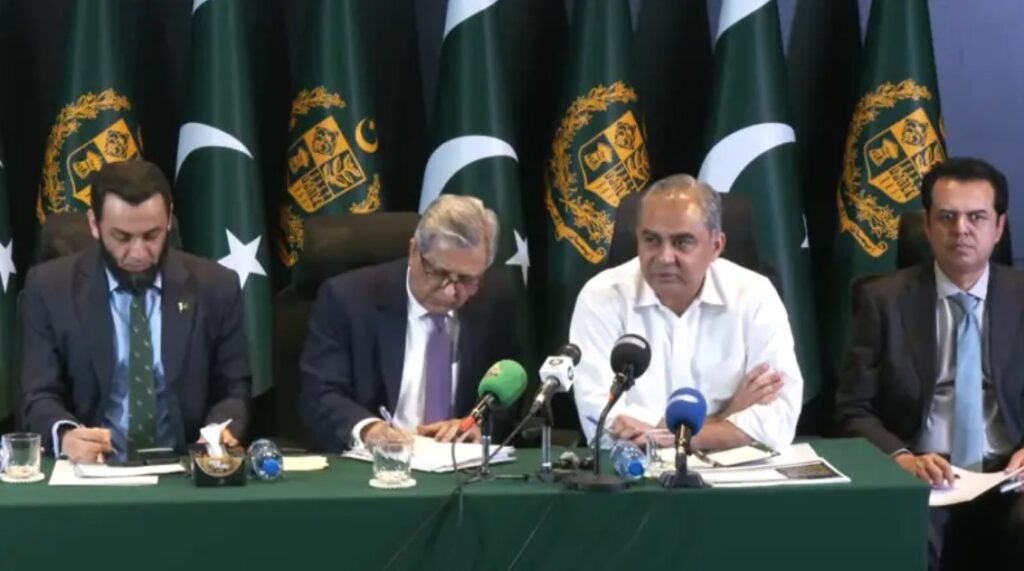
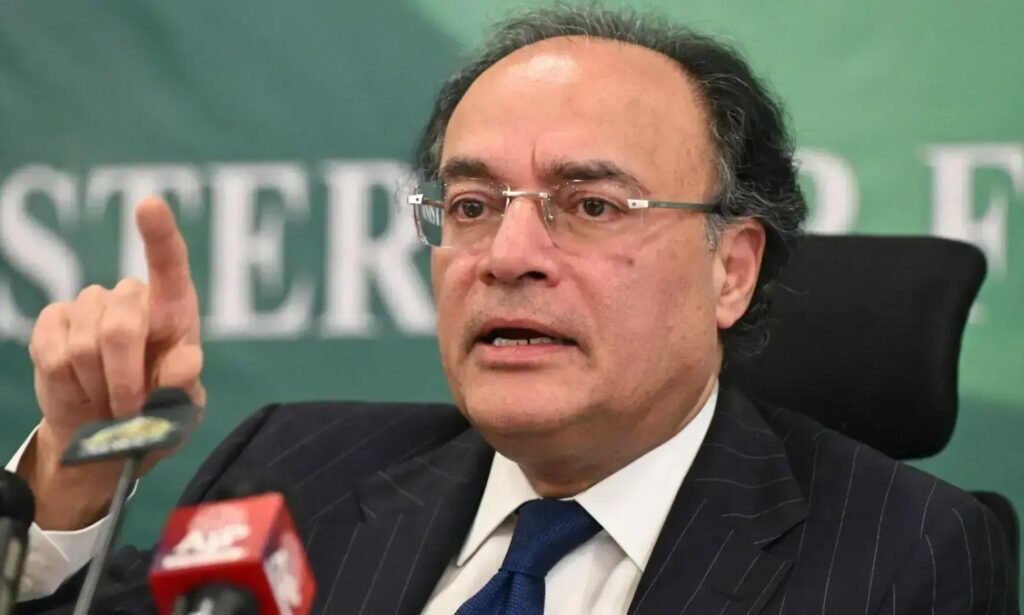
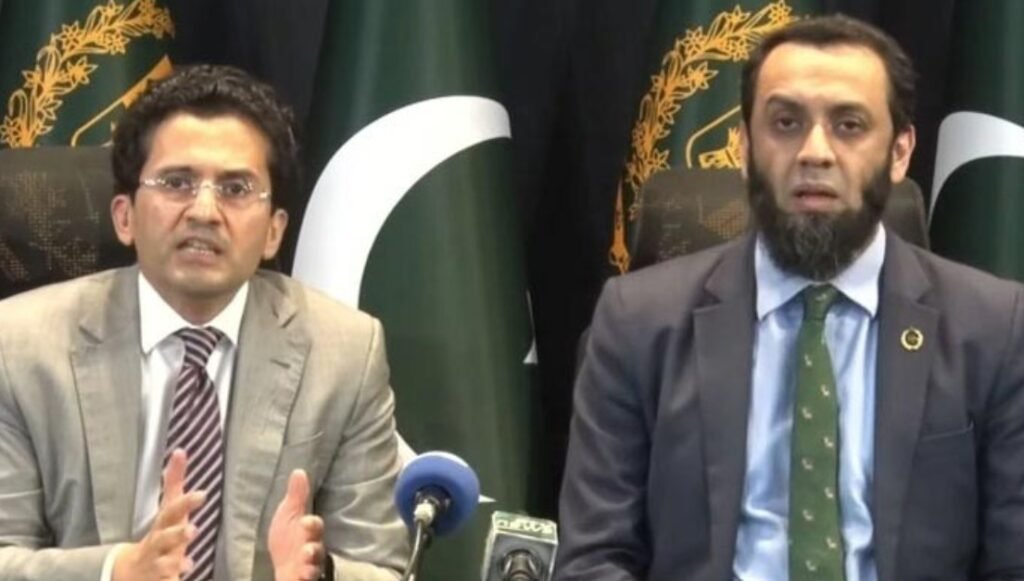
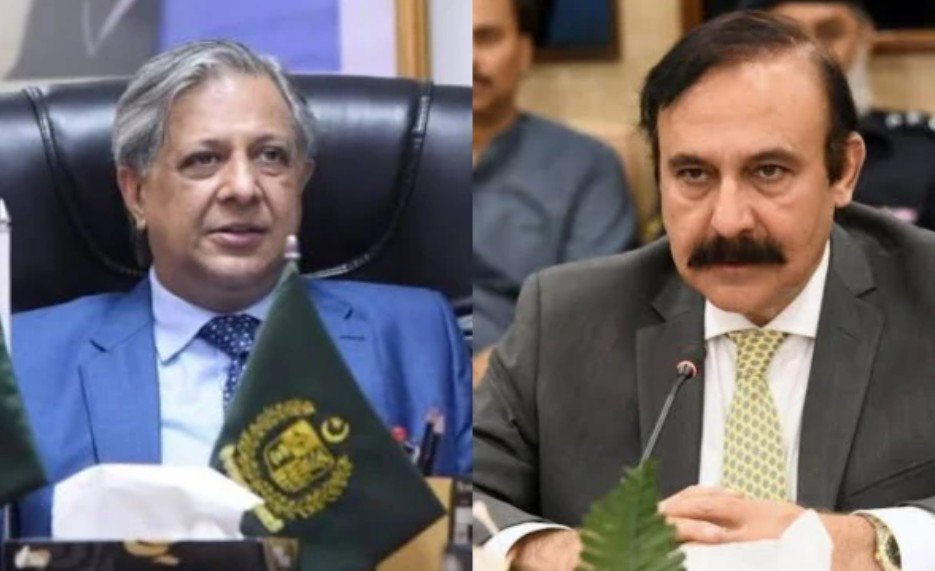
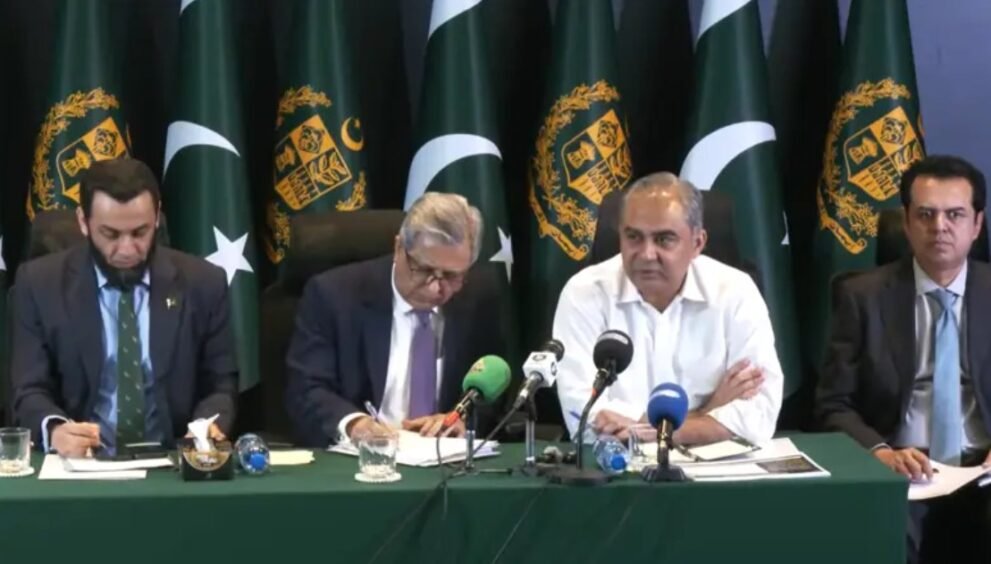
Tarar made the allegations during a press conference in Islamabad alongside Interior Minister Mohsin Naqvi, Law Minister Azam Nazeer Tarar and Minister of State for Interior Tallal Chaudhry. The briefing followed the federal government’s decision to impose an emergency in KP, citing what it described as the provincial administration’s failure to effectively address terrorism.
The federal government and PTI have remained at odds over counterterrorism policy, with the issue contributing to the breakdown of negotiations between the two sides on October 3.
Tarar Accuses PTI Government of Links With Terrorists
Addressing the media, Tarar alleged that members of the federal cabinet believed the PTI-led government in KP had developed an understanding with terrorist groups.
Citing reports from the Intelligence Bureau and law enforcement agencies, he claimed that militants had gained influence over administrative affairs in several districts.
The information minister questioned why PTI leaders appeared to have relatively secure access to areas where other political parties faced security threats. He also alleged that militants had been allowed to expand their influence in parts of the province.
According to Tarar, a possible power-sharing arrangement between terrorist groups and the provincial government had gradually expanded from southern districts towards other parts of KP.
He accused the provincial administration of enabling militants to target civilians and public infrastructure, describing any government facilitation of terrorist groups as a serious constitutional concern.
Tarar also referred to proposed changes concerning police appointments, alleging that the provincial government intended to recruit individuals associated with terrorist groups into the police force. He claimed that evidence supporting the government’s allegations was available.
The allegations were presented by the federal ministers and were not independently established in the briefing.
Naqvi Warns PTI Supporters to Disperse
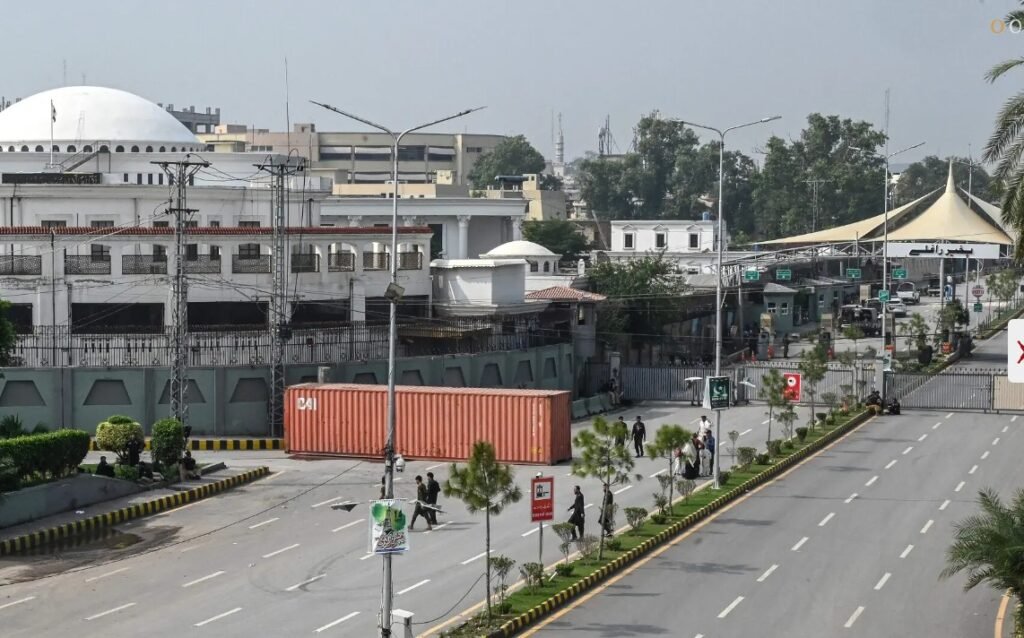
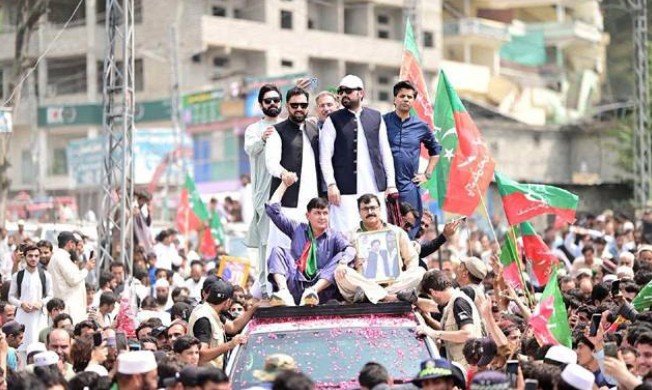
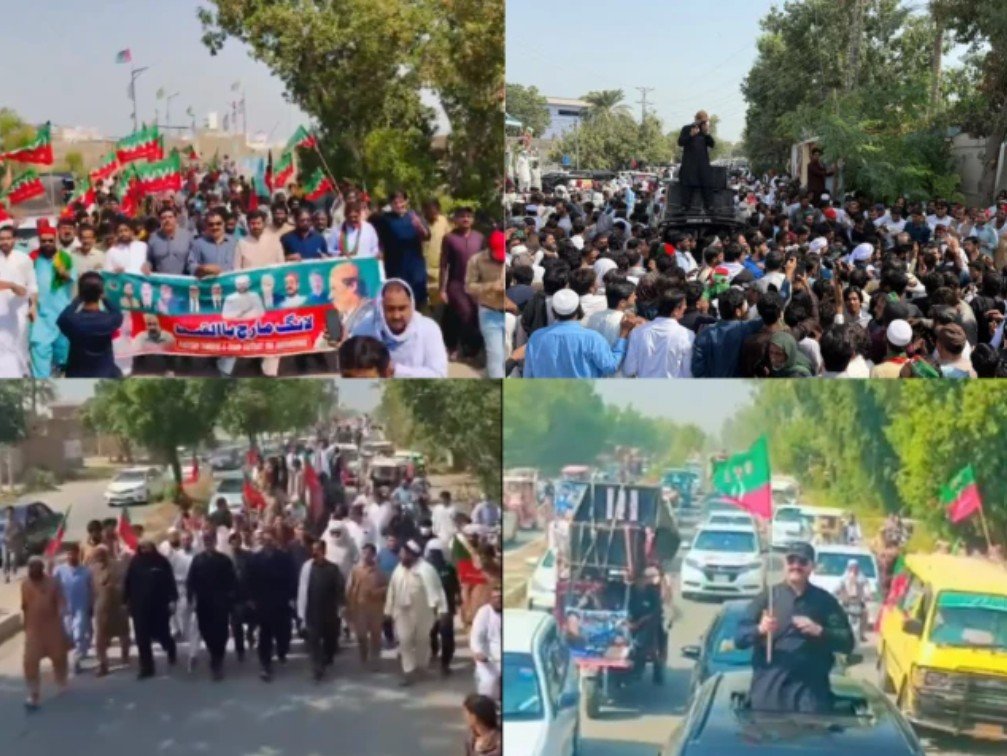
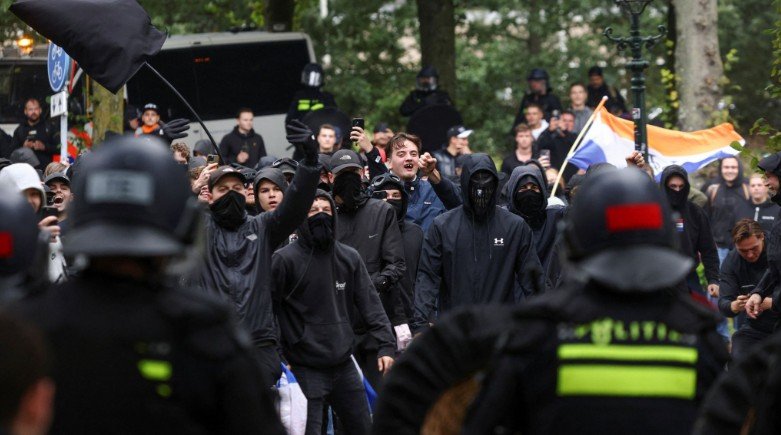
Interior Minister Mohsin Naqvi warned groups gathered in parts of KP, apparently referring to PTI supporters participating in the party’s long march, to disperse.
He said those apprehended would face legal proceedings and warned that the authorities would take strict action to restore law and order.
Naqvi said the federal government would take whatever measures were necessary to normalise the situation in the province as quickly as possible.
Asked about reports of arrests involving KP ministers, he said preventive detention could be used where necessary to maintain public order, while individuals wanted by law enforcement agencies would be arrested.
Commenting on the security situation in Balochistan, Naqvi said counterterrorism operations conducted in recent months had helped improve conditions there.
Federal Government Establishes KP Advisory Council
Law Minister Azam Nazeer Tarar outlined the administrative arrangements introduced following the emergency proclamation, including the establishment of an Area Development Secretariat (ADS) to oversee 12 districts facing serious security challenges.
The federal government has also established an 11-member KP Advisory Council to assist the governor in performing the functions of the provincial government under the emergency arrangements.
According to the government order, the council will support the governor in exercising provincial government functions on behalf of the federal government. Advocate Sanaullah has also been appointed as the province’s advocate general.
The appointments announced by the government include:
- Home affairs: Kifayatullah Khan, former head of prisons.
- Finance: Tariq Mahmood Pasha, former Federal Board of Revenue chairman.
- Information: MNA Samar Haroon Bilour.
- Health: Retired Lieutenant General Nigar Johar.
- Law: Former advocate general Amir Javed.
- Energy and power: Former senator Osman Saifullah Khan.
- Communication and works: Asif Rafiq Afridi.
- Religious affairs: Maulana Tayyab Qureshi.
- Industries and commerce: Dr Muhammad Irshad.
- Mines and minerals: Dr Sarfraz Ali Shah.
- Education: Dr Syed Amir Abdullah.
Tarar said the selected advisers had relevant academic qualifications or extensive public-service experience.
12 Districts to Come Under Area Development Secretariat
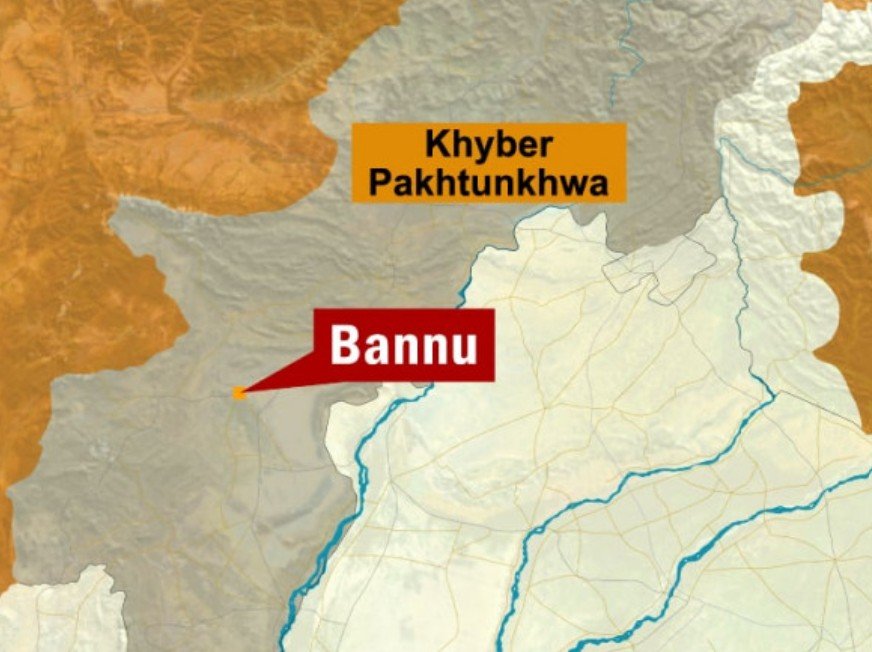
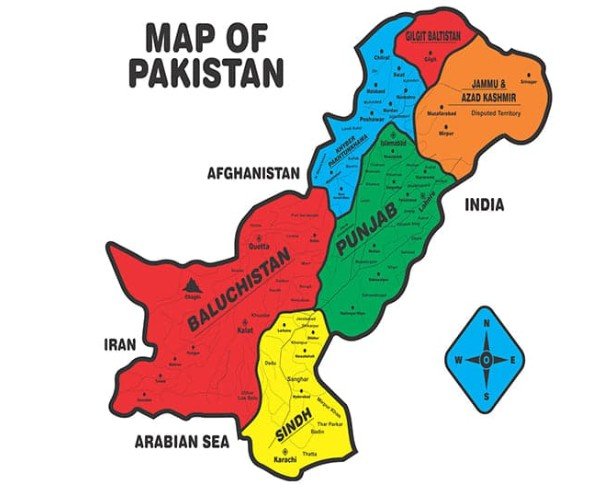
Under the federal government’s order, the Area Development Secretariat will oversee Dera Ismail Khan, Tank, Lakki Marwat, Bannu, Bajaur, Mohmand, Khyber, Kurram, Orakzai, North Waziristan, Upper South Waziristan and Lower South Waziristan.
The order states that the initiative aims to restore law and order, protect citizens, improve governance and support development in the designated areas.
An Area Representative and Development Council (ARDC) will be established to represent prominent figures from the designated districts. The council will be headed by a chairman, while its members, vice chairman and spokesperson will be appointed under procedures determined by the authorities.
The ADS will be headed by an additional chief secretary serving as administrator for the designated districts.
Under the arrangement, provincial government officials and personnel of other relevant bodies posted in these districts will come under the operational and administrative control of the ADS.
The prime minister may order further postings and transfers on the administrator’s recommendations.
The administrator will exercise executive, administrative and law enforcement powers ordinarily vested in or exercised by the provincial government in the designated districts.
These powers include establishing administrative and security structures, issuing binding directions to civil, police and military authorities, allocating and transferring funds, coordinating with federal agencies and the armed forces, reorganising departments and taking measures concerning public safety, economic stability, relief operations and essential services.
The order further states that directives and actions issued by the administrator will carry the same legal effect as those issued by the provincial government.
It also provides for the non-application of specified constitutional provisions concerning provincial governments and the separation of the judiciary from the executive in the designated districts. The KP Government Rules of Business 1985 will also not apply under the stated arrangements.
Naqvi Says Federal Government Tried to Avoid Emergency
Naqvi said the federal government had spent more than a month trying to bring the KP administration on board in the fight against terrorism.
He said he had remained in contact with PTI leaders until 11:45pm on Saturday and had continued discussions over a draft agreement, but the party had not responded to the government’s proposals.
According to Naqvi, the federal government had repeatedly conveyed that it had no objection to PTI’s long march and that its primary concern was counterterrorism.
He said efforts by Jamiat Ulema-e-Islam-Fazl chief Maulana Fazlur Rehman to ease tensions had also failed to produce an agreement.
Naqvi maintained that the emergency decision was driven by security concerns rather than political considerations. He said the situation in 12 districts had deteriorated significantly, with residents in some areas facing restrictions on their movement after sunset.
The interior minister said the government had proposed strengthening the KP Police in five districts before gradually transferring security responsibilities to the provincial force over six months. A similar process would then be undertaken in another five districts.
He claimed that the federal government had offered to provide the additional funding required for the plan, but progress had not been made despite discussions several months earlier.
Naqvi also alleged that PTI representatives had agreed in principle to emergency measures for 12 districts but later changed their position. He said political considerations had complicated efforts to reach an understanding.
October 3 Talks Failed to Produce Agreement
Naqvi said negotiations between the federal government and PTI had offered an opportunity to prevent the emergency proclamation.
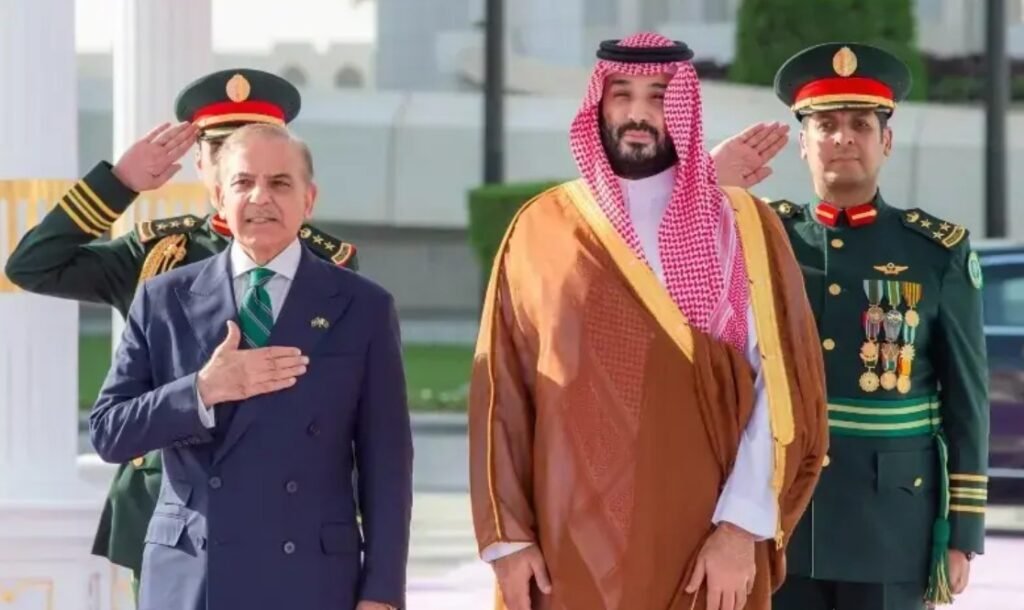
He recalled that Prime Minister Shehbaz Sharif had sought talks with the opposition leader in the National Assembly and proposed forming a committee to address outstanding issues. However, the government did not receive the expected confirmation at the time, he said.
A negotiation committee was subsequently formed, and discussions continued over two days.
Naqvi praised PTI MNA Asad Qaiser for maintaining that there could be no compromise on counterterrorism efforts. He said he had also urged Qaiser to bring the KP government into the discussions.
According to Naqvi, the draft agreement was revised four times before the government’s negotiating team discovered that the opposition had presented a new version.
He said the KP chief minister had authorised the opposition team to reach an agreement on the previous day, but its position changed the following day.
Naqvi argued that an agreement, even at the last stage, could have prevented the emergency from being imposed.
The federal government maintains that the measures are necessary to address the security crisis in KP, while its allegations against the provincial administration remain a central point of political contention.

