























































































































































































Honda, Toyota Cut Hybrid Vehicle Prices After GST Reduction in Pakistan

Indus Motor Company (IMC) has also announced price reductions for its hybrid models.
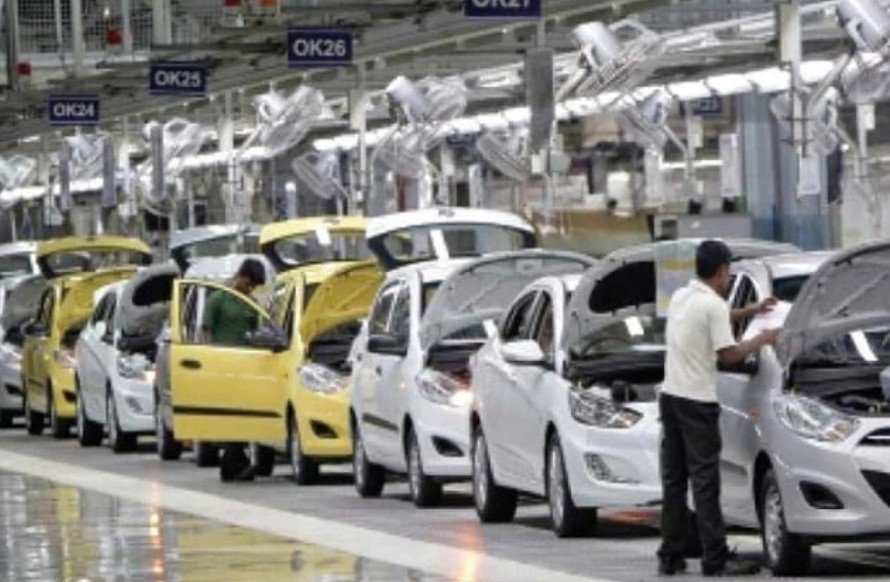
KARACHI: Car assemblers in Pakistan have started reducing prices of hybrid electric vehicles (HEVs) after a reduction in the general sales tax (GST) on vehicles up to 2,000cc, nearly two weeks after the new tax rate took effect.
The GST on eligible vehicles was reduced from 25% to 18% effective September 13, prompting automakers to revise retail prices and pass on part of the tax relief to consumers.
Honda Atlas Cars Ltd (HACL) has reduced the prices of its HR-V e:HEV and HR-V VTi-S models to Rs9.299 million and Rs7.299 million, respectively.
The HR-V e:HEV previously retailed at Rs10.369 million, while the VTi-S was priced at Rs7.799 million.
Honda said the revised prices are being offered for a limited period and apply to limited available stock. The new retail prices are applicable to orders invoiced on or after September 25.
Toyota Corolla Cross HEV prices reduced
Indus Motor Company (IMC) has also announced price reductions for its hybrid models.
The Toyota Corolla Cross HEV X is now priced at Rs9.729 million, down by Rs570,000, while the Corolla Cross HEV has been reduced to Rs9.299 million, representing a Rs550,000 reduction.
The price revisions come after months of uncertainty in the automotive sector over taxation and the government’s new automotive policy.
GST uncertainty affected vehicle sales
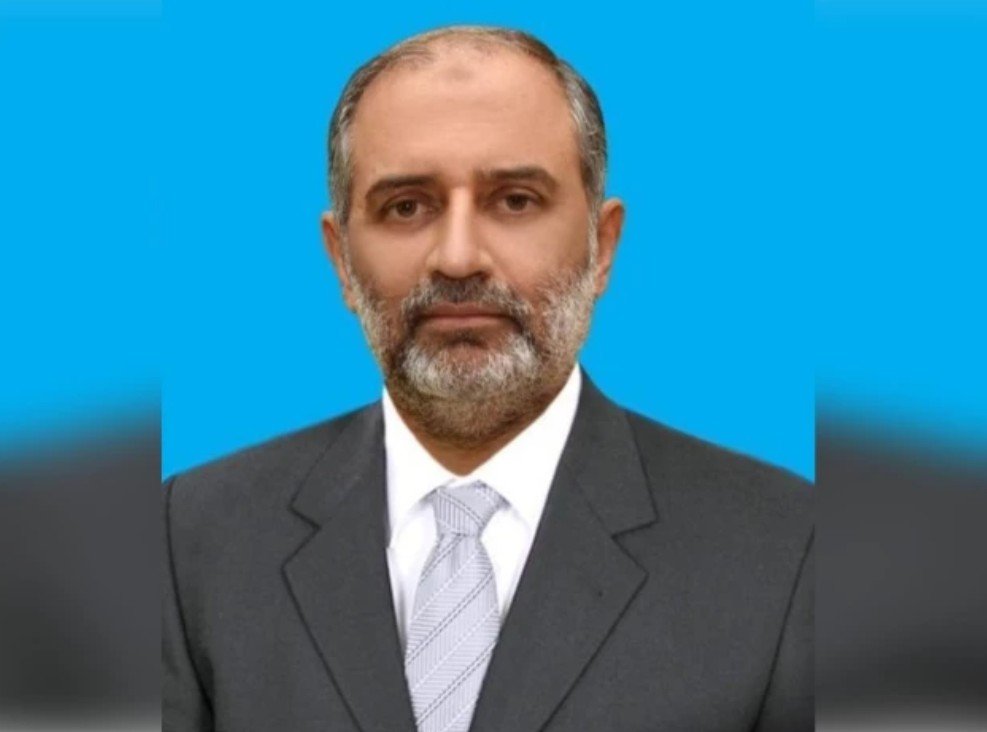
Chery Master Director Sales and Marketing Syed Asif Ahmed said the decision to settle the GST rate at 18% could help revive demand for electrified vehicles.
He said many consumers had delayed purchases while waiting for clarity over the applicable GST rate.
Under the Automotive Industrial Development Policy (AIDP) 2021-26, which expired on June 30, electric vehicles had been subject to an 8.5% GST rate.
The industry had expected a new automotive policy to take effect from July 1, but the policy has yet to be announced.
Automakers have said the absence of a clear policy framework created uncertainty across the automotive supply chain, affecting production planning, vehicle invoicing and investment decisions.
Several assemblers reportedly deferred vehicle invoicing during July and August because of uncertainty over taxation and tariff arrangements.
Assemblers expect demand to recover
According to Asif, the 25% GST rate had significantly affected demand for electrified vehicles, leaving a substantial amount of stock unsold until mid-September.
He said sales could return to normal in the coming months, although uncertainty remains over whether the GST rate could be reduced further or remain at 18% under the forthcoming automotive policy.
Asif said most vehicles produced by his company and other assemblers are expected to be delivered within the next two months.
Meanwhile, Mega Motor Company (MMC), the official partner of BYD in Pakistan, announced that the Chinese new-energy vehicle manufacturer had reached a milestone of 10,000 vehicles on Pakistani roads.
MMC described the achievement as the fastest expansion by a new entrant in Pakistan’s new-energy vehicle market.
The availability of completely knocked-down (CKD) kits at assembly plants also appears to have remained stable despite ongoing geopolitical tensions in the Middle East, which have affected regional trade and supply chains.

