













































































































































































































































REDs: How Under-Fuelling Is Affecting Male and Female Athletes

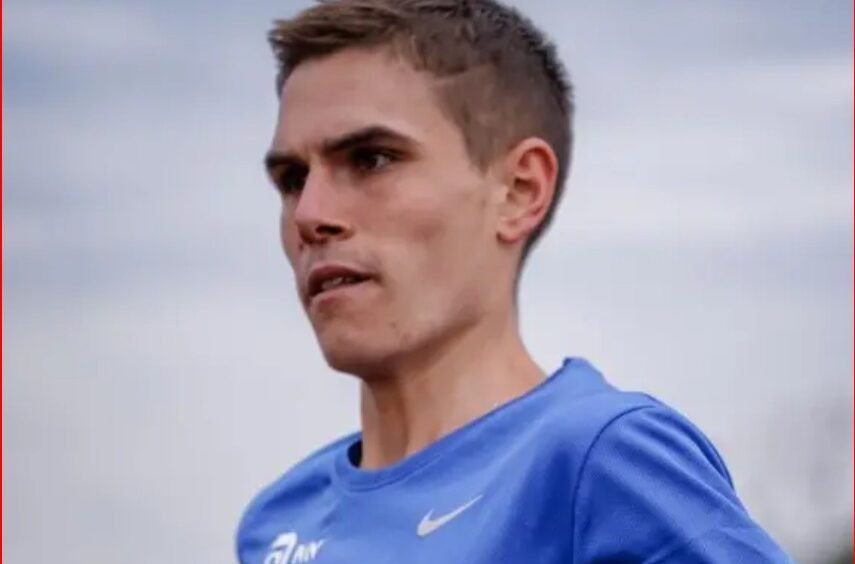
He is targeting the 2028 Olympics but says maintaining his health is now his main priority.
Relative Energy Deficiency in Sport (REDs) can cause serious health problems and undermine athletic performance, with experts warning that many athletes remain undiagnosed because of stigma and a lack of awareness.
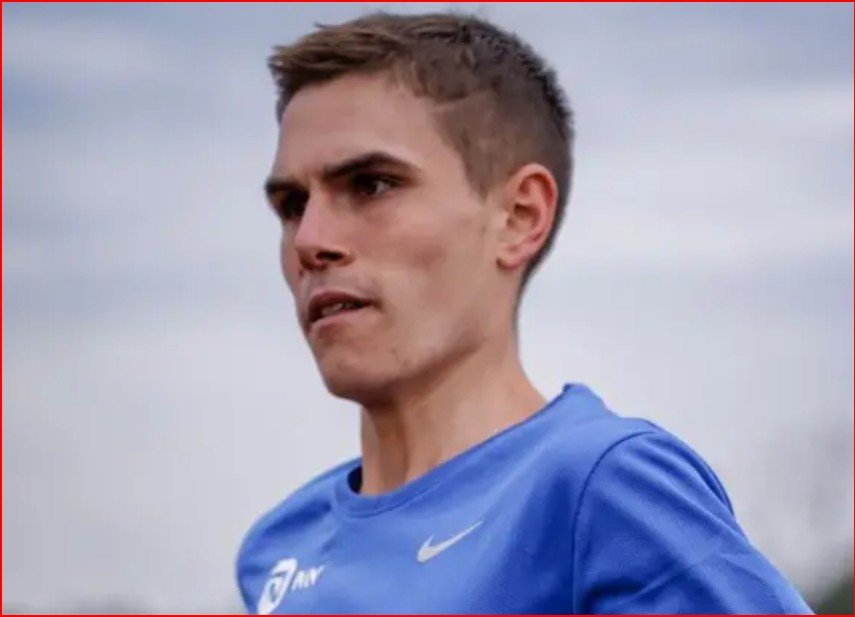
British long-distance runner Jake Smith was warned by doctors four years ago that he could end up in a wheelchair by the age of 30.
At 23, Smith had signed a professional contract with Nike and represented Great Britain internationally. However, behind his achievements, his health was deteriorating as he repeatedly struggled with illness and injuries.
Intense training combined with disordered eating left Smith weighing just eight stone (51kg) after a running camp in Uganda. His bones had become so fragile that doctors warned his running career could be over.
After suffering two stress fractures within four months, Smith sought professional help and was diagnosed with Relative Energy Deficiency in Sport, commonly known as REDs.
The condition can affect athletes of any gender. If left undiagnosed or untreated, it can reduce performance and cause serious, long-term health complications.
What Is REDs and How Does It Affect Athletes?
REDs develops when the body does not receive enough energy from food to support both exercise demands and essential physiological functions.
Symptoms can include bone stress injuries, fatigue, disrupted sleep and low mood. In more serious cases, the condition may contribute to osteoporosis, cardiovascular disease and fertility problems.
Hormone health expert Dr Nicky Keay says many of these symptoms result from hormonal disruption caused by insufficient energy intake.
She explains that when the body experiences an energy deficit, some hormone systems can slow down or stop functioning properly.
In women, REDs can disrupt the menstrual cycle or cause periods to stop altogether. In men, declining testosterone levels can lead to reduced libido and fatigue, making the condition less obvious.
The condition was initially known as the “female athlete triad” in the early 1990s because of its association with menstrual disruption. In 2014, the International Olympic Committee adopted the broader term REDs to recognise the wider effects of energy deficiency and its impact on male athletes.
Keay says the change acknowledged that men had been overlooked in discussions about the condition.
Research Highlights the Risks for Men
Research increasingly suggests that low energy availability is a significant concern among both male and female athletes.
A meta-analysis published in the journal Sports Medicine last year, examining research involving thousands of elite and amateur athletes worldwide, indicated that 44.2% of female athletes and 49.4% of male athletes had low energy availability.
Experts say the condition can remain undetected in men because its warning signs may be less obvious and because athletes can be reluctant to discuss under-fuelling.
The Pressure to Be Lighter
One factor contributing to REDs is the long-standing belief in some sports that lighter athletes perform better.
The idea that “lighter is faster” has influenced endurance running, cycling, climbing, horse riding, dancing, gymnastics and other sports in which body weight can be emphasised.
Smith says he spent years believing that losing weight would improve his performance.
He began focusing on whether reducing his weight could help him improve his half-marathon time, a mindset he says eventually became damaging.
Initially, athletes may continue training and performing well despite consuming insufficient energy. However, the body eventually adapts to the deficit, potentially affecting performance, recovery and bone health.
Keay describes this apparent short-term benefit as “fool’s gold”, warning that athletes may not recognise the damage until injuries or declining results emerge.
Jonny Brownlee Acknowledges Under-Fuelling Mistakes
Olympic and world champion triathlete Jonny Brownlee says inadequate fuelling during his career contributed to serious injuries and affected his recovery.
Brownlee says athletes were not always sufficiently educated about the importance of nutrition, while sporting culture sometimes portrayed fuelling during cycling as a sign of weakness.
He believes attitudes have improved but says stigma surrounding REDs remains, particularly the perception that it is primarily a women’s health issue.
According to Brownlee, men may overlook under-fuelling as a possible explanation for their problems until they experience a serious injury.
Study Finds Poor Bone Health Among Male Cyclists
In 2019, Keay examined 50 competitive male cyclists. Initial screenings found that nearly half had poor bone health, while 25% were experiencing REDs.
The cyclists were divided into two groups over six months. One group continued its existing training and fuelling habits, while the other received advice on nutrition and training.
Keay says the group that received no intervention experienced further declines in bone mineral density and did not achieve the race results expected from their functional threshold power.
The group given guidance showed improvements in bone health and achieved strong race results.
The findings reinforced the importance of sufficient fuelling for both health and athletic performance.
Keay says REDs can be reversed, but athletes who fail to address the condition risk continued deterioration.
Eating Disorders and Sporting Culture
For some athletes, under-fuelling is unintentional and results from a lack of knowledge about energy requirements or failing to increase food intake as training becomes more demanding.
For others, the problem is connected to disordered eating and pressure surrounding body weight.
Former British cycling champion Brian Smith says he developed bulimia during his competitive career, which included representing Great Britain in the road race at the 1996 Olympics.
He believes the sport’s emphasis on weight contributed to his eating disorder. Despite being just under six feet tall, he felt overweight and reduced his racing weight to levels that left him feeling underpowered and unwell.
Now 59, Smith discovered that he had experienced REDs during his cycling career after developing three severe stress fractures, including one in his femur, when he began running eight years ago.
He says the long-term effects have left him concerned about the health consequences of pursuing elite-level cycling.
Smith believes some sporting organisations have historically prioritised performance and weight targets without giving enough attention to athletes’ long-term wellbeing.
Sports Organisations Introduce Preventive Measures
British Cycling says it has made progress through education, including programmes introduced at academy level and annual physical and psychological screenings.
Dr Nigel Jones, the organisation’s chief medical officer, says conversations with athletes now focus more on how under-fuelling prevents them from performing at their best rather than simply encouraging them to become lighter.
He acknowledges that REDs will remain a concern but hopes continued education will reduce its prevalence.
World Climbing has also introduced mandatory health checks for athletes competing at World Championship and World Cup level.
The system includes pre-season questionnaires and random or targeted screenings at competitions to identify possible indicators of low energy availability or REDs. Athletes can be prevented from competing if they are not considered healthy enough.
Professor Naama Constantini, who helped develop the policy, says the aim is to educate athletes and coaches, prevent health problems and reinforce the importance of strength, performance and adequate fuelling rather than unhealthy weight loss.
Recovery Offers Hope for Athletes
Former Great Britain runner Pippa Woolven established Project REDs after experiencing difficulties with the condition. The initiative provides information and resources for athletes, coaches, parents and healthcare professionals.
Keay says more men are seeking help, although some may describe their symptoms as burnout rather than recognise them as REDs.
Experts stress that early recognition, appropriate nutrition and changes to training practices can help athletes recover and reduce the risk of lasting complications.
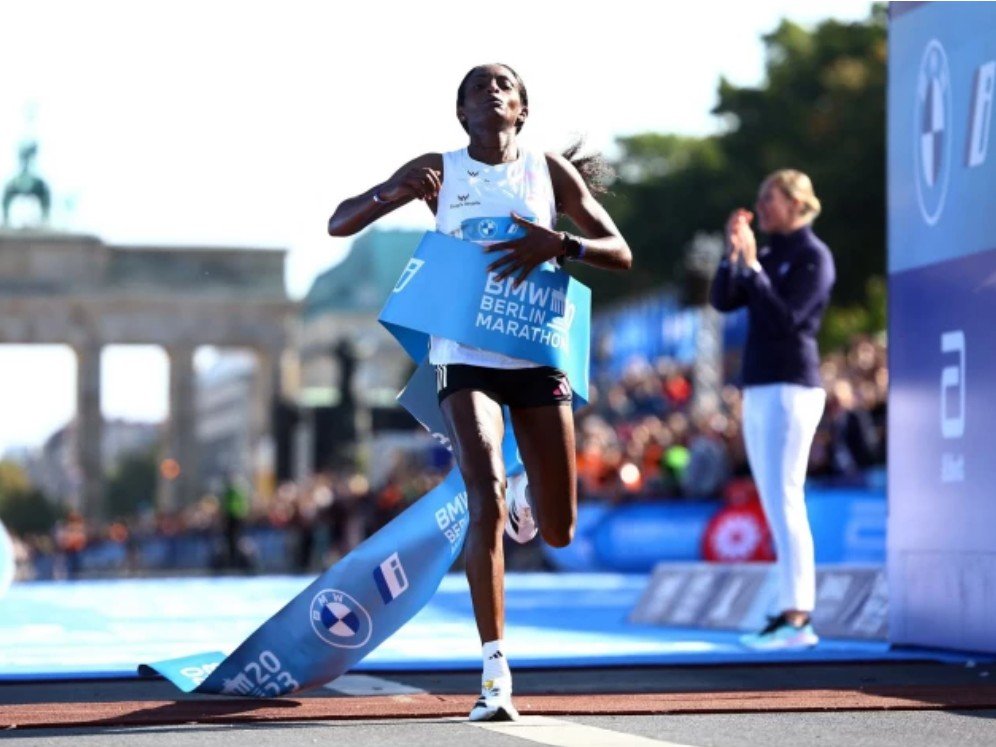
Smith has since reversed his condition and is running faster than ever. He recently completed the Berlin Marathon in a personal-best time of two hours, nine minutes and 24 seconds.
He is targeting the 2028 Olympics but says maintaining his health is now his main priority.
Smith says he is 10 to 15 kilograms heavier than he was at his lightest and has never been happier.
His experience highlights a central message for athletes and sporting organisations: adequate fuelling and a healthy body are essential not only for performance but also for long-term wellbeing.

