















































































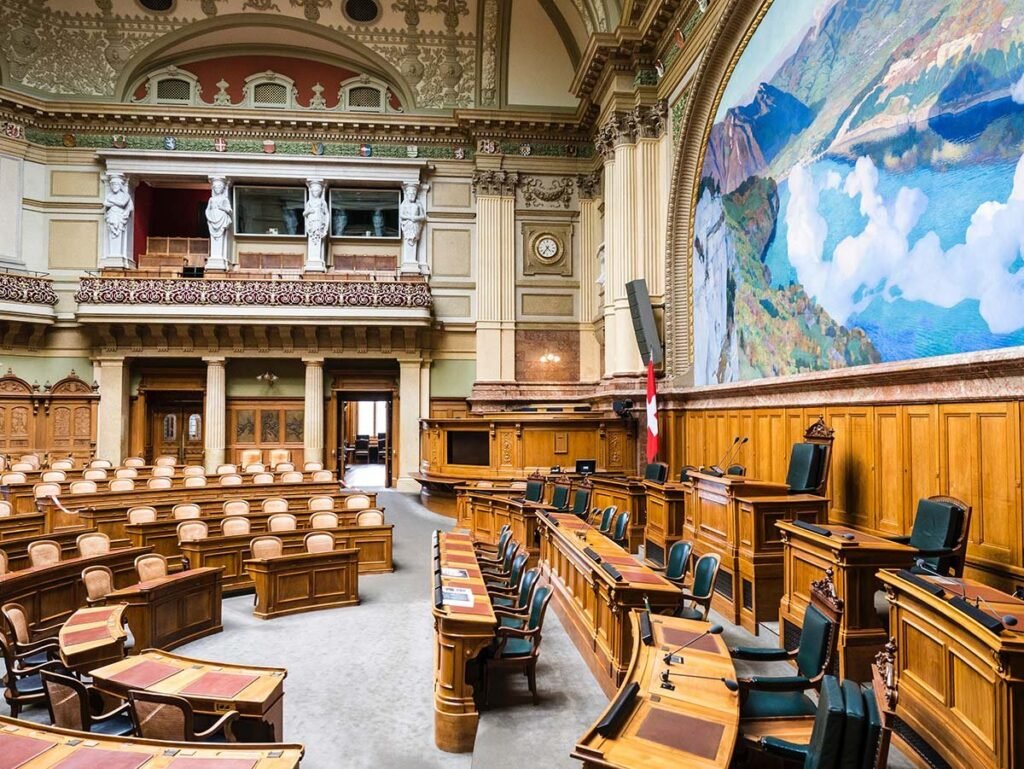
Mohsin Naqvi Accuses K-P Government of Derailing PTI-Government Talks

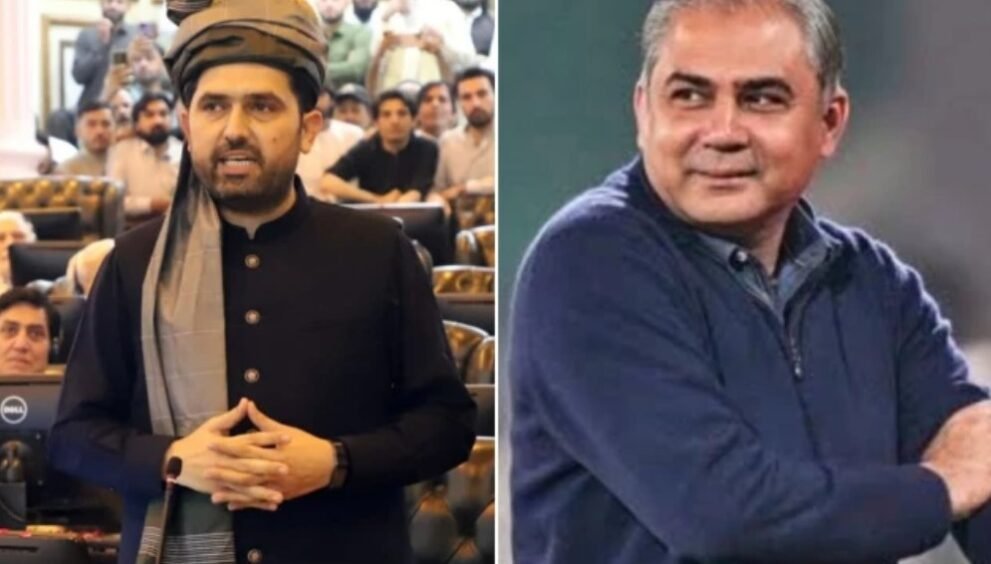
The PTI, meanwhile, expressed regret over the failure of negotiations between its joint team with Tehreek-e-Tahafuz-e-Aain Pakistan (TTAP) and government representatives.
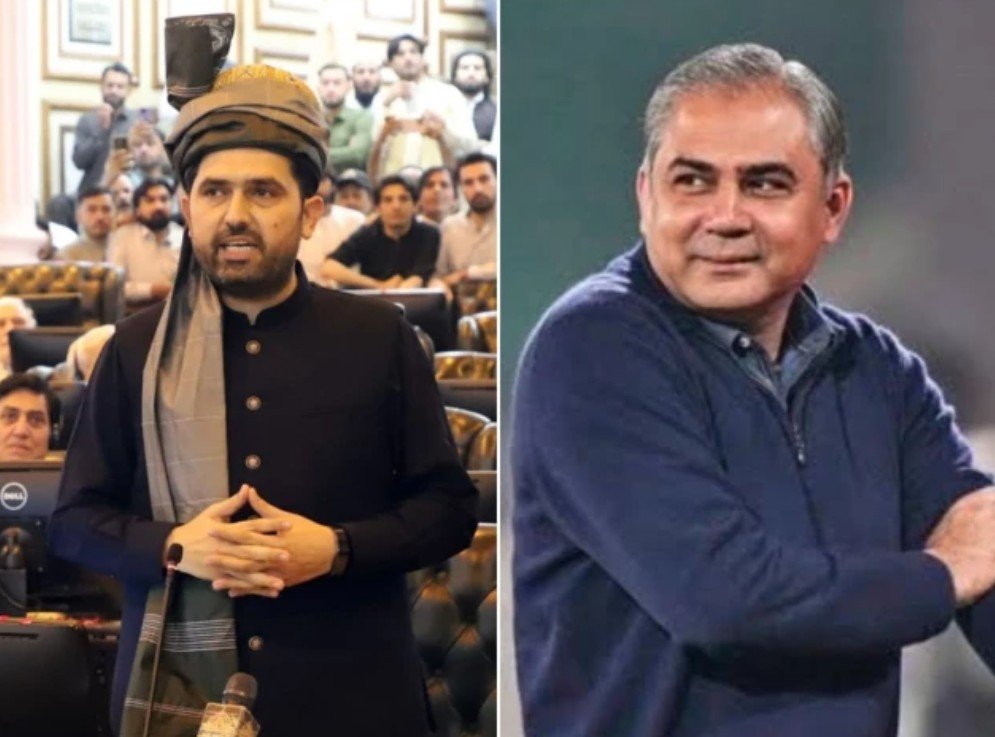
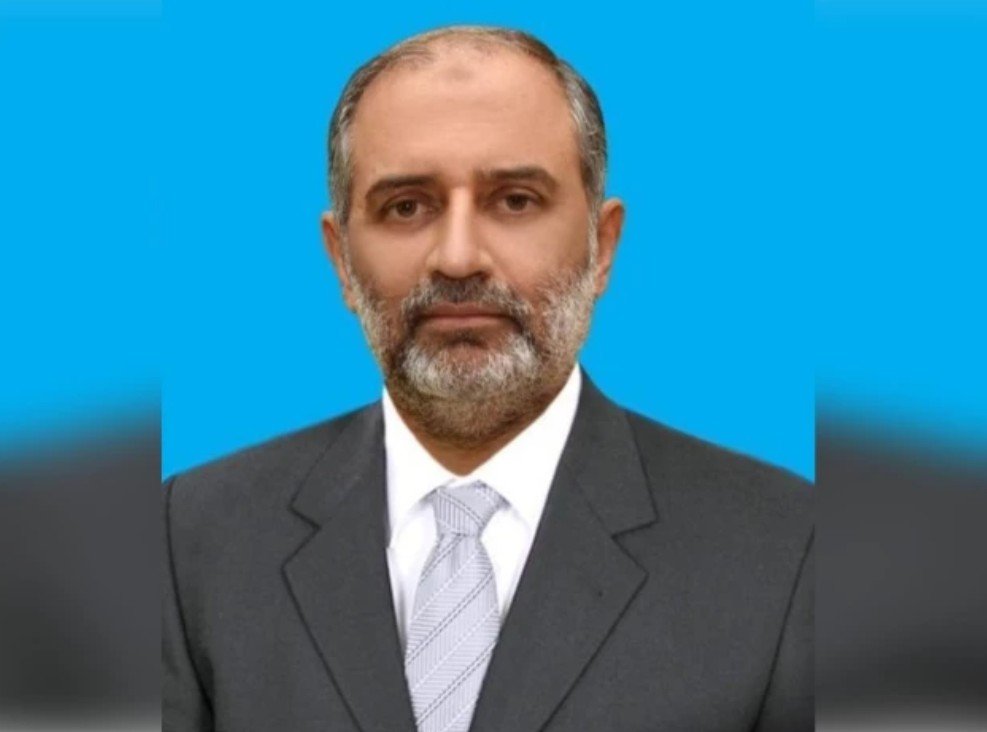
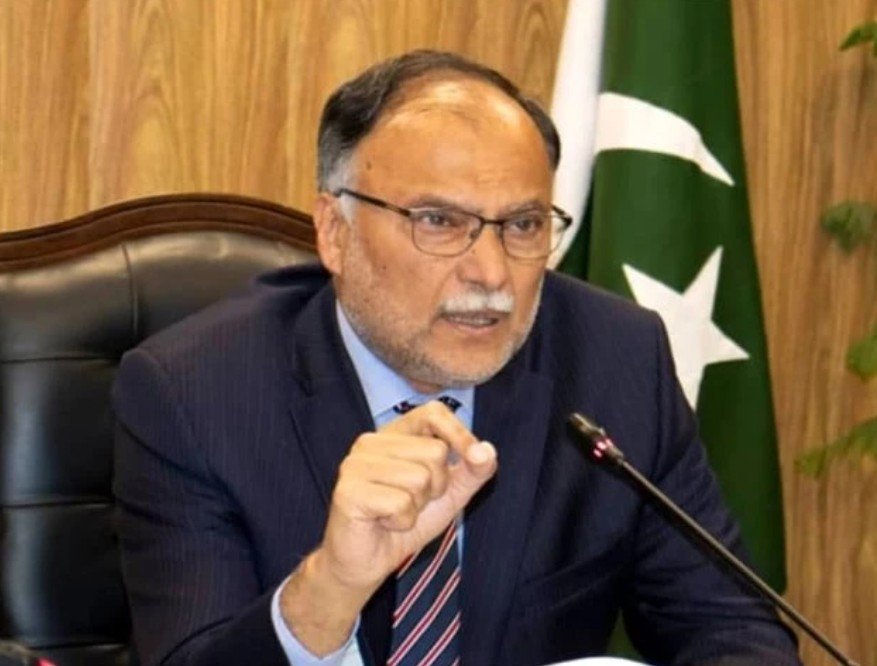
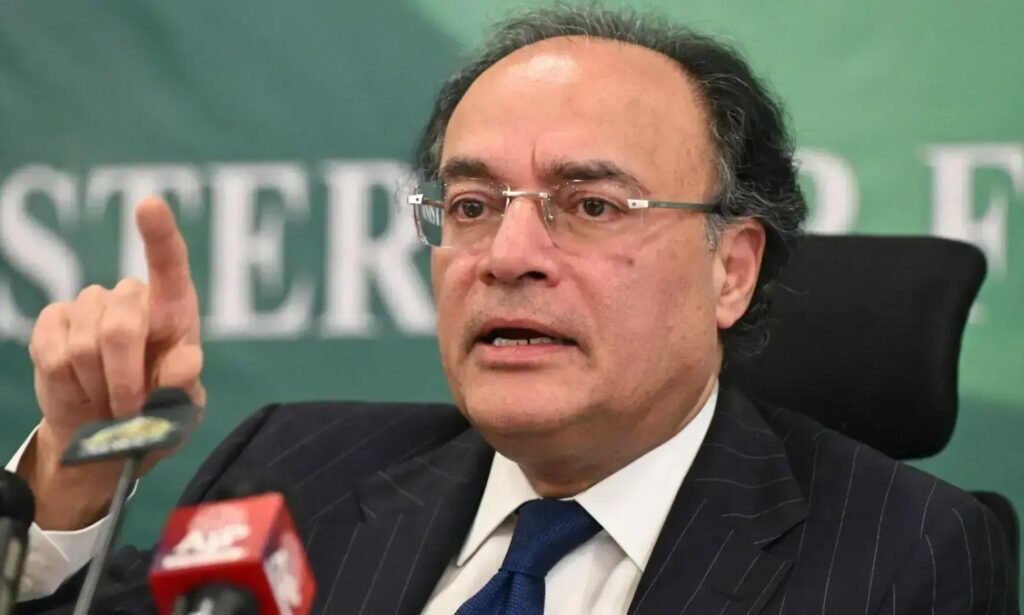
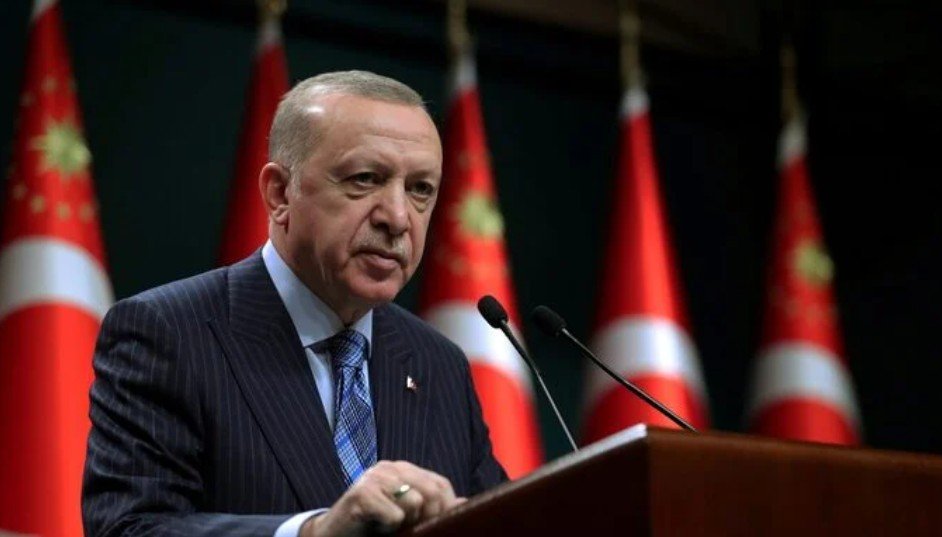
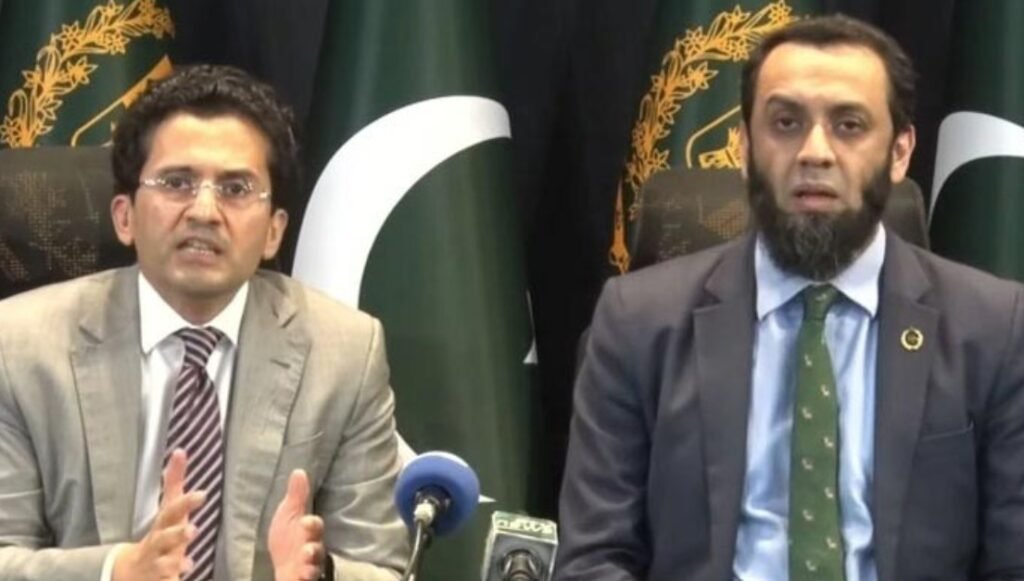
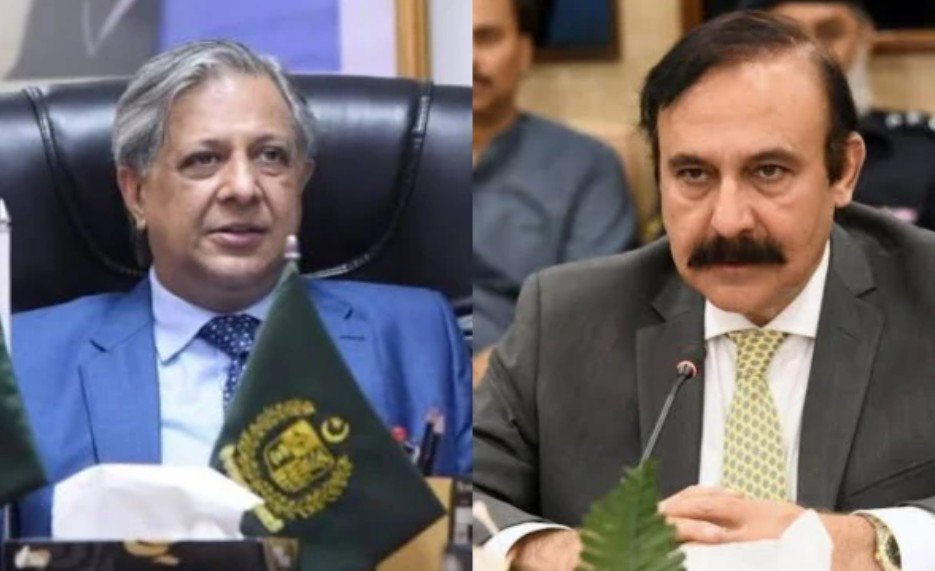
LAHORE: Interior Minister Mohsin Naqvi has accused the Khyber Pakhtunkhwa (K-P) government, particularly Chief Minister Sohail Afridi, of derailing negotiations between the government and opposition, claiming the two sides had agreed on 99 per cent of a draft before talks collapsed over counterterrorism measures.
The negotiations ended without an agreement early Sunday, October 4, despite progress on several political issues and efforts to settle ahead of the Pakistan Tehreek-e-Insaf’s (PTI) planned long march.
Addressing a press conference in Lahore, Naqvi praised the opposition negotiating team for its efforts but alleged that the K-P government had repeatedly changed its position during the final stages of the talks.
He said the draft had been revised four times during approximately 12 hours of negotiations, with the teams resolving differences one by one before disagreements emerged over the final agreement.
Naqvi Blames Sohail Afridi for Negotiation Deadlock
Naqvi said the opposition negotiators, including Allama Nasir Abbas, Asad Qaiser, Barrister Gohar, Salman Akram Raja and Aamir Dogar, had worked constructively to reach an agreement.
However, he alleged that the PTI leadership and particularly Chief Minister Afridi undermined the process after the negotiating team had finalised the draft.
According to Naqvi, he had previously asked the opposition to ensure that Afridi or an authorised representative of the provincial government participated in the negotiations, given the importance of counterterrorism cooperation between the federal and provincial governments.
He said Asad Qaiser had agreed to consult the K-P government, following which the opposition team held a four-hour meeting with Afridi. The chief minister subsequently authorised the negotiators to proceed with the agreed proposals, Naqvi added.
The interior minister maintained that the central dispute concerned security and counterterrorism rather than political disagreements.
He said the federal government wanted the K-P government to cooperate in tackling terrorism, while political matters could be addressed separately through dialogue.
Counterterrorism Cooperation Emerges as Main Dispute
Naqvi said the proposed agreement covered several security-related issues, including the Police Act 2026, kidnappings, the Tehreek-e-Taliban Pakistan (TTP), former Federally Administered Tribal Areas (FATA), the merged districts and implementation of the National Action Plan.
He alleged that the K-P government had initially agreed to provide a written commitment and submit an implementation plan within 72 hours but subsequently withdrew its support.
According to Naqvi, the proposed commitments also included preventing terrorist groups from operating freely in the province, strengthening cooperation with security forces, supporting counterterrorism operations and addressing security challenges in the merged districts.
He further claimed that the provincial government had agreed to support the federal government’s policy concerning Afghan refugees and the dismantling of Afghan refugee camps in K-P.
Naqvi argued that counterterrorism efforts could not succeed if security matters were politicised. He said the federal government was seeking joint action against terrorism rather than allowing political differences to obstruct security measures.
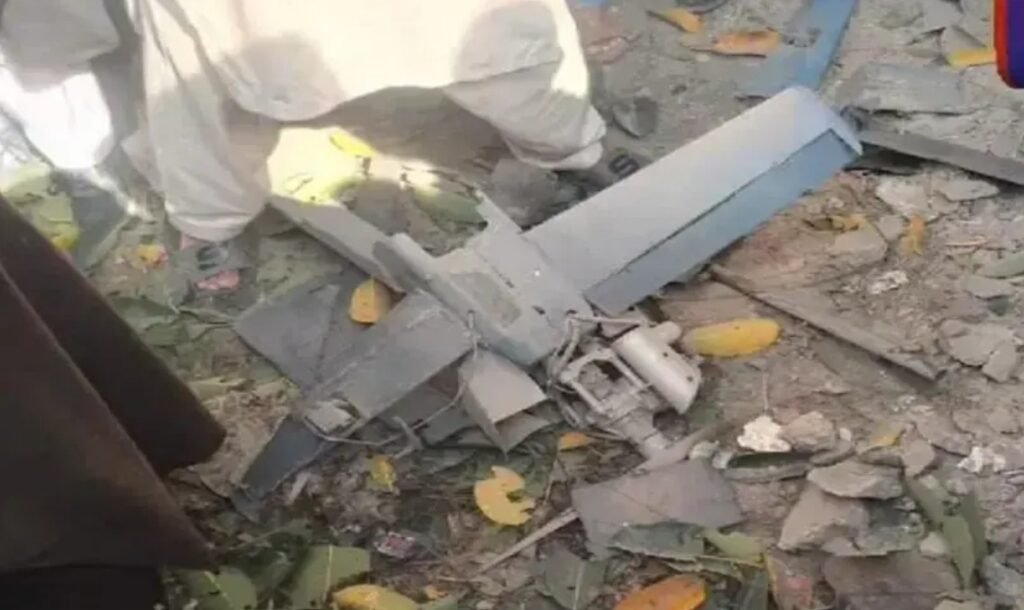
He also rejected the idea that political negotiations should determine operational decisions by the armed forces, arguing that military operations could not be managed through political instructions concerning weapons, ammunition or drones.
The minister warned that any loss of life during the planned long march would be the responsibility of Chief Minister Afridi. He also cited road closures, disruption to economic activity and difficulties faced by residents as reasons for opposing such protests.
PTI Says Talks Failed Over Imran Khan’s Access
The PTI, meanwhile, expressed regret over the failure of negotiations between its joint team with Tehreek-e-Tahafuz-e-Aain Pakistan (TTAP) and government representatives.
In a statement posted on X, the party urged the government to address the causes of the deadlock and demonstrate a genuine willingness to engage in meaningful dialogue.
PTI said the negotiations had covered political stability, democratic restoration, constitutional supremacy, access to party founder Imran Khan, his health and medical treatment, and the deteriorating security situation in K-P and other parts of the country.
According to the party, its principal demand was immediate access to Imran Khan so that the leadership could consult him on important political and national matters.
PTI maintained that the negotiating team had offered to set aside its other demands if the government agreed to facilitate the meeting. However, it alleged that the government refused to include the request in the proposed agreement.
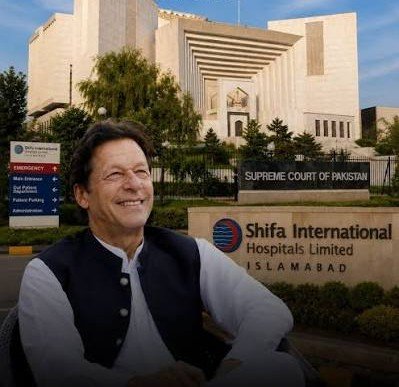
The party also sought Khan’s transfer to Shifa International Hospital and the formation of an appropriate medical board that would include his personal physician.
PTI welcomed the government’s reported agreement to restore meetings between Khan and his family members and lawyers from Tuesday but said such meetings could not replace proper medical examination and treatment.
The party called for transparency and urgent action regarding Khan’s health, describing his medical care as a matter of fundamental importance.
PTI Proposes Joint Security Strategy for K-P
The opposition party said the security situation in K-P was another major point of disagreement.
PTI maintained that it unequivocally condemned terrorism and supported efforts to protect citizens and restore lasting peace. However, it argued that counterterrorism policies should involve consultation with the provincial government, political parties, tribal elders and other relevant stakeholders.
The party said the people of K-P had suffered substantial losses through deaths, destruction of property, economic disruption, displacement and prolonged insecurity.
It argued that counterterrorism measures should combine effective action against militant groups with civilian protection, local intelligence and consideration of the concerns of affected communities.
PTI proposed that authorised representatives of the federal and provincial governments meet within 72 hours to develop a comprehensive, mutually agreed security strategy.
It also called for consultations with political parties represented in the K-P Assembly, elected representatives, tribal elders and other stakeholders to build public confidence in the proposed measures.
The party rejected claims that Afridi’s position reflected political obstinacy, arguing that direct consultation with Imran Khan could have helped bridge differences over security policy.
PTI said cooperation between the federal and provincial governments was essential for national security but stressed that such cooperation should respect constitutional requirements and the role of the elected provincial government.
Sherry Rehman Accuses K-P Government of Backtracking
Senior Pakistan Peoples Party (PPP) leader Sherry Rehman, who participated in the government negotiating team, also blamed the K-P government for the collapse of the talks.
In a post on X, Rehman said the negotiating teams had prepared and revised four drafts before the provincial government allegedly refused to sign an agreement on counterterrorism cooperation.
She said the government had repeatedly sought the participation of the K-P chief minister or his cabinet representatives but that neither had joined the negotiations directly.
Rehman argued that the provincial government should have communicated its concerns through the negotiating committee rather than introducing changes at the final stage.
She also criticised Afridi for publicly sharing his government’s demands after the negotiations had reached an impasse, saying such actions undermined trust between the parties.
The PPP leader said her party considered counterterrorism a central national priority, citing its own history of losses to militant violence, including the assassination of former prime minister Benazir Bhutto.
She said the negotiations had offered an opportunity to establish cooperation between the federal and provincial governments and reduce political tensions.
Rehman thanked PPP Chairman Bilawal Bhutto-Zardari and President Asif Ali Zardari for their efforts to facilitate dialogue, while also acknowledging Prime Minister Shehbaz Sharif, National Assembly Speaker Ayaz Sadiq and Interior Minister Naqvi.
Afridi Defends PTI’s Seven Demands
Earlier, Chief Minister Sohail Afridi made public a draft that he said had been submitted to the government’s negotiating committee, insisting that none of PTI’s seven demands was unconstitutional or illegal.
Afridi said the public should know the contents of the proposals, alleging that the people of K-P were being treated unfairly.
The draft called for regular meetings between the prime minister and opposition leaders in both houses of parliament to discuss political, constitutional, legal and democratic issues.
It also proposed establishing a joint political negotiating committee comprising representatives of the ruling coalition, the PPP and opposition parties. The committee would pursue solutions through consultation and consensus.
Another demand called for Imran Khan and his wife, Bushra Bibi, to receive all legal, medical and human rights available under the Constitution, applicable laws and prison regulations.
The proposals also sought meetings with family members, nominated lawyers and authorised associates in accordance with the law.
The draft called for legal applications and appeals involving Imran Khan, Bushra Bibi and other detained individuals to be considered without unjustified delays, where legally possible. It also sought the release of women serving political sentences, including PTI leader Yasmin Rashid and Bushra Bibi, on humanitarian grounds.
Regarding K-P’s security situation, the document proposed continuous consultation between the federal and provincial governments to combat terrorism and establish sustainable peace.
It called for a formal meeting between authorised representatives of the two governments within 72 hours to formulate a comprehensive strategy for law and order.
The final demand stated that PTI would announce the cancellation of its long march after receiving written assurances from the federal government regarding the implementation of the proposed measures. The party reserved the right to pursue peaceful and lawful protest if the government failed to honour its commitments.
Salman Akram Raja Says Security Policy Divided Negotiators
PTI leader Salman Akram Raja said disagreement over the federal government’s proposed counterterrorism approach in K-P was the primary reason the negotiations broke down in the early hours of Sunday.
In a post on X, Raja said the PTI-TTAP team had insisted that counterterrorism measures should be based on an agreement between the federal and provincial governments.
He said political parties represented in the K-P Assembly should also be consulted before decisions were made.
According to Raja, the government wanted the provincial administration to endorse actions initiated unilaterally by the federation, a position the opposition team could not accept.
Raja said PTI had zero tolerance for terrorism but opposed policies that could result in civilian casualties, displacement or other harm to local communities.
He argued that counterterrorism measures should be supported by local populations and informed by ground intelligence.
Raja also called for the recommendations of a jirga held in the K-P Assembly, comprising political representatives and tribal elders from across the province, including the merged districts, to be considered in developing security policy.
He said the federal government’s refusal to accept this approach contributed to the breakdown in negotiations.
PTI Identifies Three Red Lines in Failed Talks
PTI Sindh leader Haleem Adil Sheikh, who was part of the opposition negotiating committee, said the talks ended after the two sides failed to resolve three fundamental issues.
According to Sheikh, the first concerned access to Imran Khan. He said the opposition maintained that only the PTI founder had the authority to call off the long march and therefore sought a meeting with him.
After the government declined, Sheikh said the opposition proposed allowing Allama Nasir Abbas to meet Khan as an alternative, but that request was also rejected.
The second issue concerned Khan’s health and medical treatment. Sheikh said the opposition wanted his personal doctors included in the medical process to address concerns about his condition.
The third dispute involved counterterrorism policy in K-P. Sheikh said the opposition wanted the federal and provincial governments to consult political parties and other relevant stakeholders before agreeing on security measures.
He alleged that the government instead sought commitments within 72 hours without accepting the opposition’s demand for broader consultation.
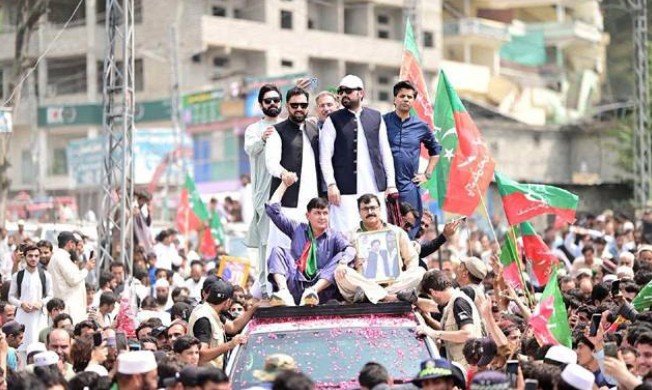
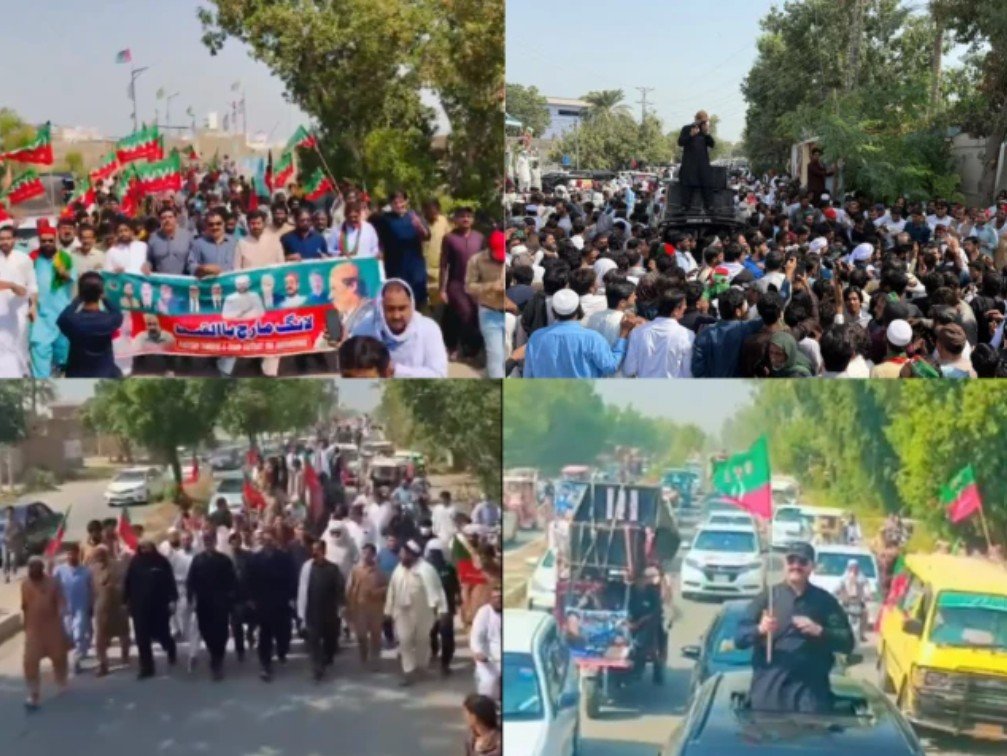
Sheikh said Afridi would begin the long march at 4pm on Sunday, while protests in Sindh would proceed according to the previously announced schedule.
He called on PTI organisations across the country to implement their protest programmes, saying the movement would continue until the party’s demands concerning Imran Khan’s release, constitutional supremacy, judicial independence and inflation were addressed.
PTI-Government Deadlock Leaves Long March Plans Unresolved
The breakdown followed marathon negotiations at the National Assembly speaker’s office, where government representatives sought to persuade PTI to call off its October 4 long march.
The opposition, meanwhile, sought written assurances on political, legal, medical and security-related demands before agreeing to withdraw the protest.
Although both sides reported progress on several issues, they failed to bridge differences over access to Imran Khan and the framework for counterterrorism cooperation in K-P.
With PTI maintaining its protest plans and the federal government insisting on provincial cooperation against terrorism, the negotiations ended without a comprehensive agreement.
The dispute has left the proposed political settlement unresolved, with both sides continuing to blame each other for the failure of talks.

