





























































































































































































Pakistan’s Draft Auto Policy 2026-31 Could Cut Car Prices by Over 20%

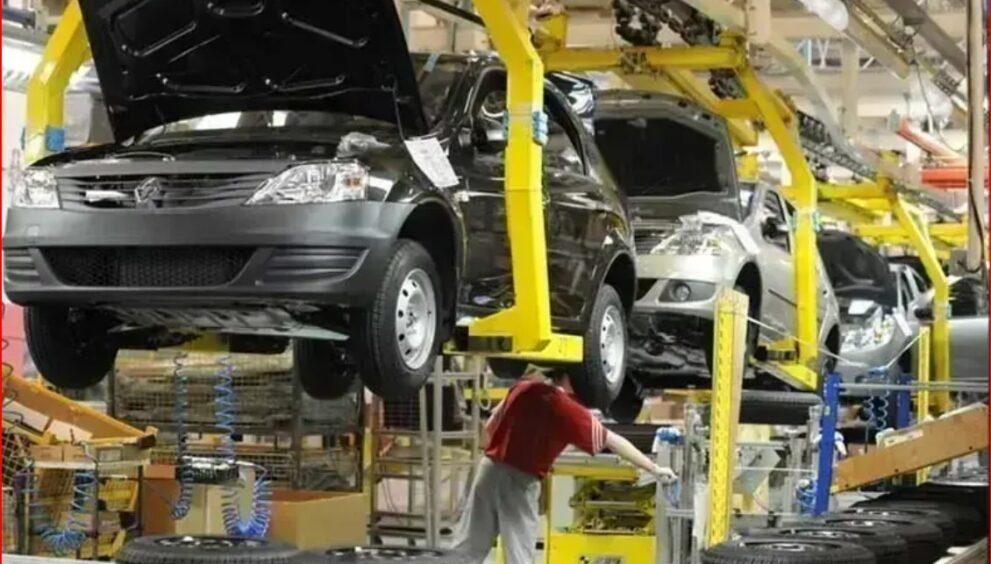
Sania Irfan of Topline Securities said the draft also proposes changes to the automotive development levy (ADL) on fossil fuel-powered vehicles.
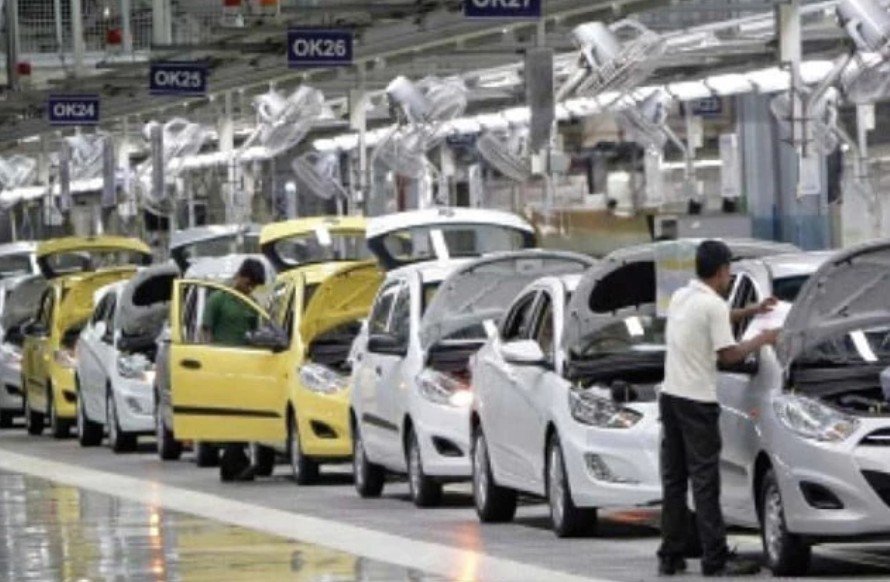
KARACHI: Pakistan’s proposed Auto Policy 2026-31 could bring significant changes to the automobile market, with prices of some vehicles potentially falling by more than 20 per cent under the draft tax and tariff framework.
However, the prospect of lower prices could prompt buyers to delay purchases while waiting for potential reductions, creating uncertainty for automakers concerned about the value of their existing inventories.
According to Topline Securities, the latest draft retains a 1 per cent general sales tax (GST) on battery electric vehicles (BEVs), while proposing rates of 9pc for plug-in hybrid electric vehicles (PHEVs) and 6pc for range-extended electric vehicles (REEVs).
The earlier draft had proposed a uniform 1pc GST across all new energy vehicles (NEVs), while the previous policy imposed GST rates ranging from 8.5pc to 12.75pc on PHEVs.
The proposed structure indicates a continued government focus on promoting new energy vehicles, particularly fully electric models.
Potential Price Cuts Across Vehicle Categories
Preliminary industry estimates suggest conventional petrol vehicles could become 8-10pc cheaper, while hybrid electric vehicles (HEVs) may see price reductions of around 9pc. PHEVs could record larger declines, potentially exceeding 20pc.
Among BEVs, models with import values below $15,000 could become approximately 22pc cheaper, compared with an estimated reduction of around 8pc for higher-priced electric vehicles. REEVs, however, could become about 3pc more expensive under the proposed tax structure.
The draft also proposes reducing tariffs on localised completely knocked-down (CKD) parts to 15pc by fiscal year 2031, down from the previous rate of 25pc.
Topline Securities said the reduction could put pressure on the domestic auto parts industry, although consumers could benefit from lower prices amid competition among manufacturers.
Auto Parts Manufacturers Raise Concerns
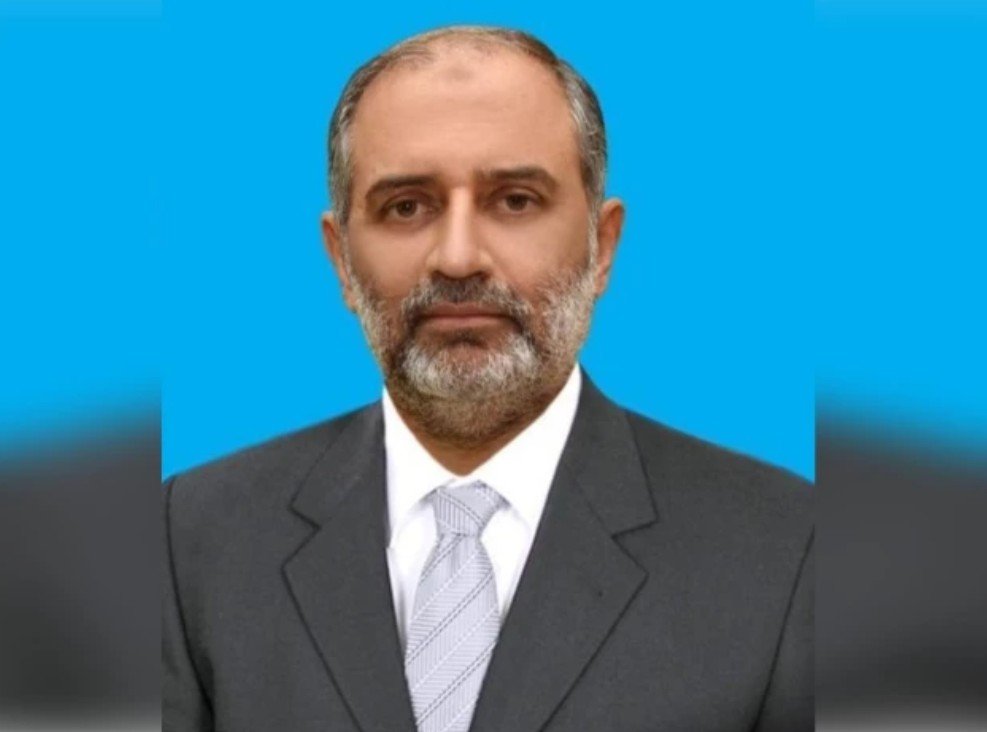
Pakistan Association of Automotive Parts and Accessories Manufacturers (PAPAAM) Chairman Abdur Rehman Aizaz criticised the proposed policy, describing it as a “conspiracy to destroy several industries”.
He said rising imports of new and used vehicles were already putting pressure on Pakistan’s established auto parts manufacturing sector, warning that further challenges could lead to factory closures.
According to Aizaz, imports of completely built-up (CBU) new cars increased to 2,407 units in September from 391 in August. Imports of used cars also rose to 2,454 units from 1,185 over the same period.
He said every imported vehicle reduced potential sales for the country’s approximately 1,200 auto parts manufacturers. Locally produced components account for around Rs1.5 million of the value of each domestically assembled vehicle, he added.
Based on that estimate, the 4,861 new and used CBU vehicles imported in September represented a potential Rs7.3 billion loss in revenue for local parts manufacturers, according to Aizaz.
Electric Vehicles Could Become More Affordable
Industry representatives expect several electric vehicles to become cheaper if the proposed tax changes are implemented.
The GAC Aion UT, currently priced at around Rs6.4 million, could fall to between Rs5 million and Rs5.2 million. Higher-priced electric SUVs, including the BYD Atto 3 and GAC Aion V, which are priced at around Rs9 million, could also see significant price reductions.
Selected petrol and hybrid models could become more affordable as well. Industry estimates suggest buyers could save around Rs600,000 to Rs800,000 on selected variants of the Honda HR-V e, Haval Jolion and Toyota Corolla Altis.
The PHEV segment could see some of the largest price cuts in absolute terms. The Jaecoo J7 PHEV, currently priced at nearly Rs10 million, could potentially fall to around Rs8 million.
The Kia Sorento PHEV could also face further downward price pressure following earlier price adjustments, depending on the final GST and import duty structure.
These figures are preliminary industry estimates based on the proposed policy and do not represent confirmed prices. Actual reductions would depend on the final policy and how manufacturers adjust their prices.
Proposed Levy Changes for Petrol Vehicles
Sania Irfan of Topline Securities said the draft also proposes changes to the automotive development levy (ADL) on fossil fuel-powered vehicles.
Under the proposal, the levy would be zero on vehicles with engine capacities below 1,000cc, 2pc on vehicles between 1,000cc and 2,000cc, and 10pc on vehicles above 2,000cc.
The proposed rates would replace those outlined in the earlier draft, which ranged from 4.5pc to 5.5pc across engine categories.
The final impact on vehicle prices, manufacturers and local parts suppliers will depend on the policy ultimately approved and implemented by the government.

