






















































































































































































































































Asian Games in Japan Close After Record-Breaking Performances and Organisational Problems

“I don’t think I am what people describe as a prodigy,” she said.
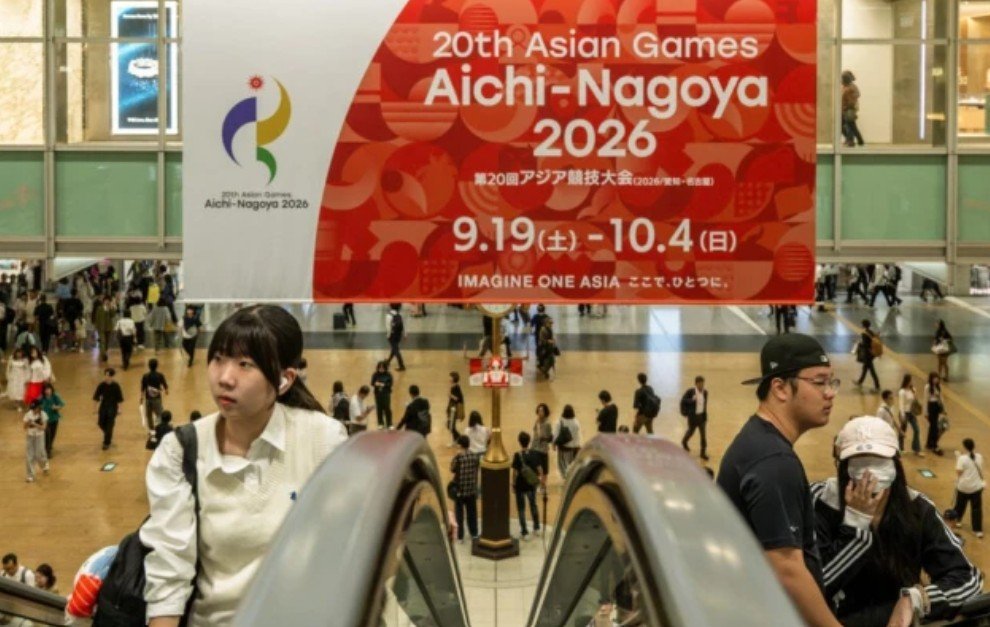
NAGOYA: The Asian Games in Japan will conclude on Sunday after two weeks of record-breaking performances by emerging sporting stars, although the event was also overshadowed by organisational problems, sparse crowds and criticism over its management.
More than 17,000 athletes and officials gathered in Nagoya and Aichi prefecture for the continent’s biggest multi-sport event, with several young competitors producing standout performances.
Yu Zidi Emerges as Asian Games Star
Chinese swimming sensation Yu Zidi, aged just 13, became one of the biggest stars of the Games after winning three gold medals, all in Games-record times.
The teenager won the women’s 200-metre butterfly and completed the 200m and 400m individual medley double. Her performances have raised expectations that she could become a major medal contender at the Los Angeles 2028 Olympics.
Yu was named one of the Games’ Most Valuable Players on Sunday.
Despite the attention surrounding her performances, the schoolgirl played down suggestions that she is a sporting prodigy.
“I don’t think I am what people describe as a prodigy,” she said.
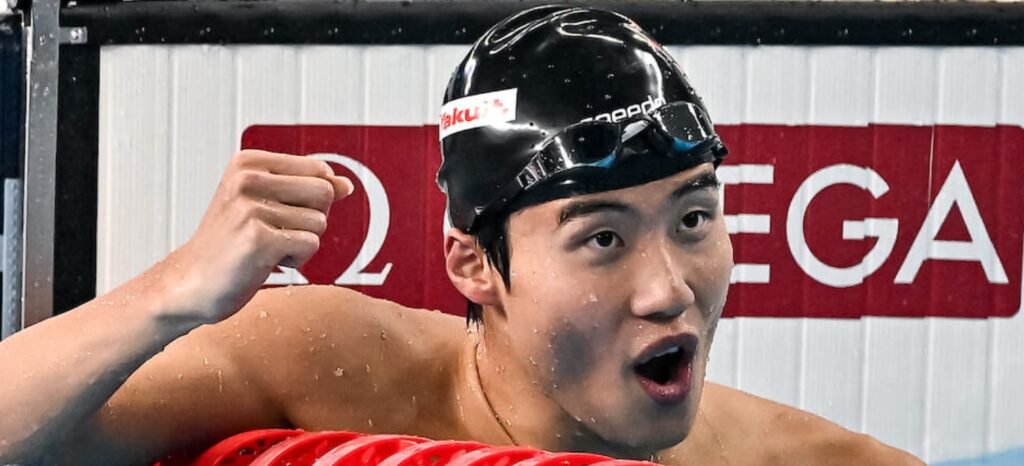
Japan’s 17-year-old swimmer Shin Ohashi also thrilled the home crowd by breaking the men’s 200m breaststroke world record.
Young Athletes Shine in Athletics
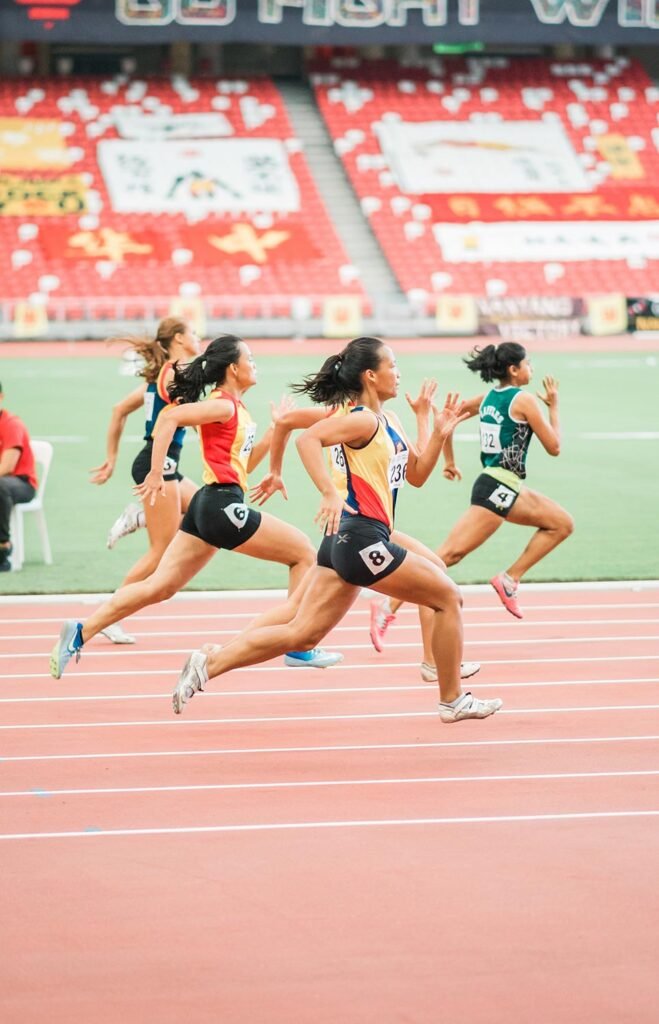
Athletics also produced several memorable performances despite heavy rain affecting competition on multiple days.
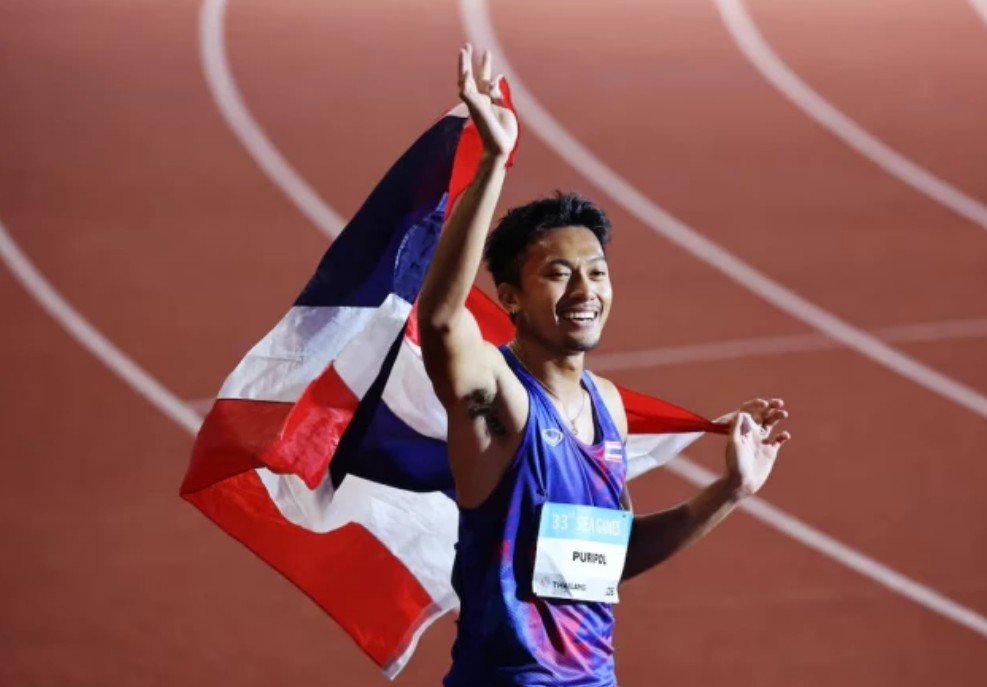
Thailand’s Puripol Boonson won both the men’s 100m and 200m titles and was named the men’s MVP.
The 20-year-old said the presence of leading international athletes had given him additional confidence ahead of the Los Angeles Olympics.
“This time there were a lot of global athletes at this event, so the MVP gives me a lot of confidence that I can make the podium in LA,” Boonson said.
Organisational Problems Draw Criticism
While sporting performances provided highlights, the Games faced repeated criticism over accommodation, transportation and event management.
Olympic Council of Asia Director General Husain Al-Musallam defended the event, highlighting the 50 world records broken since the Games opened on September 19.
He also stressed that athletes require proper accommodation and transportation to perform at their best.
The 20th edition of the Asian Games, first held in 1951, did not feature a traditional athletes’ village as organisers sought to reduce costs.
Instead, athletes and officials were accommodated in temporary wooden units, hotels and a cruise ship. Organisers described the approach as a possible model for future multi-sport events.
However, some teams complained that accommodation units were cramped and beds were too short. The large number of participating athletes and officials also created difficulties in finding sufficient beds.
One Thai Olympic official described the situation as being “like musical chairs.”
Transportation and Anthem Errors
Operational problems extended beyond accommodation.
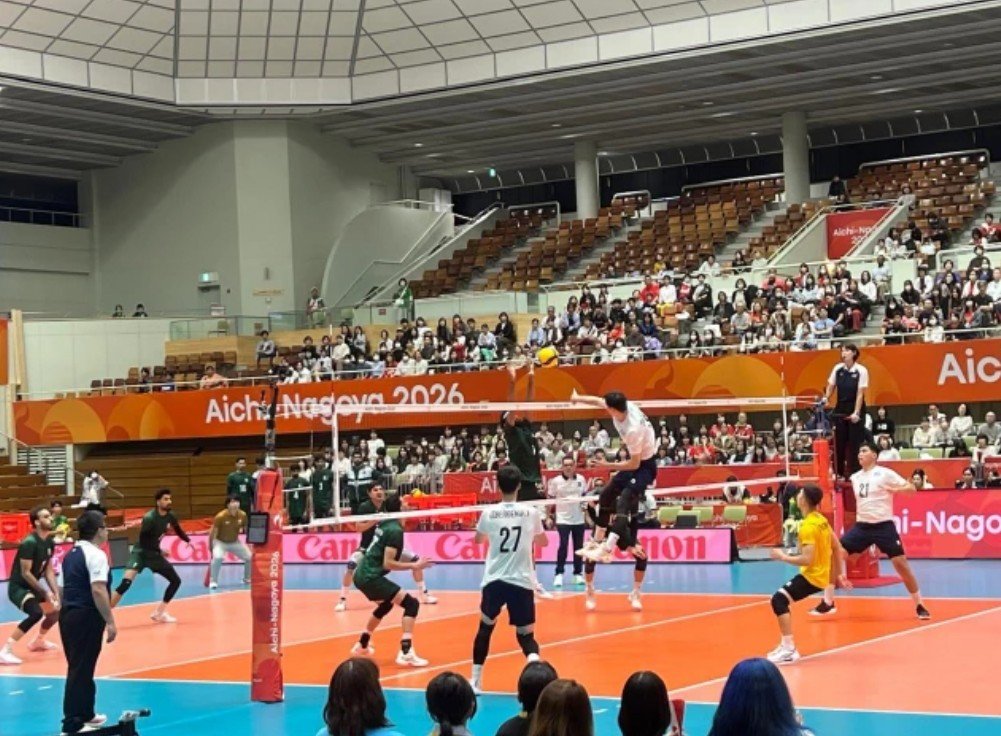
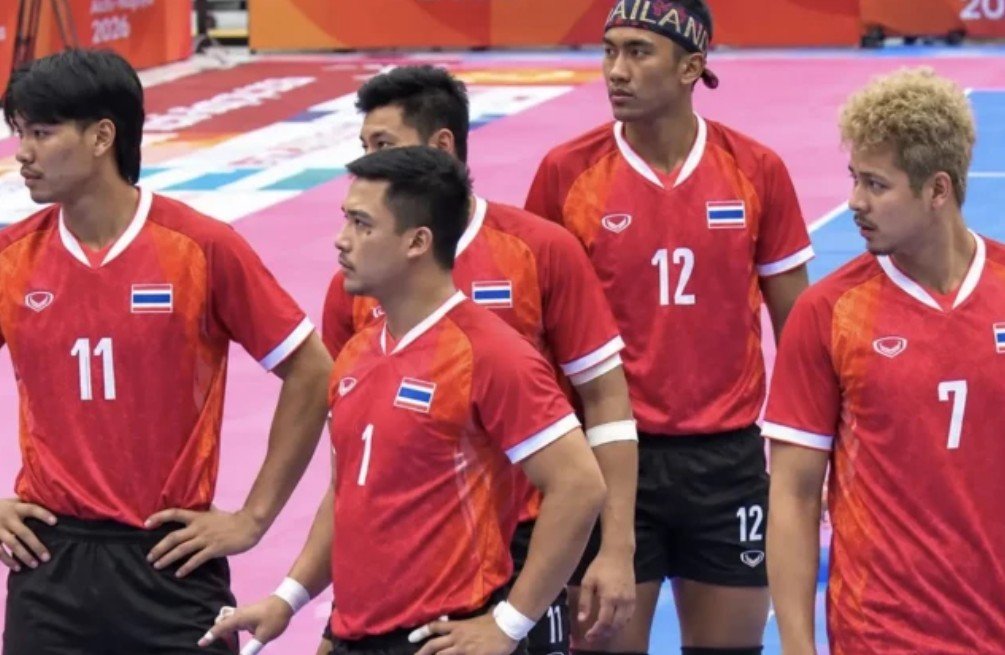
Some athletes’ buses reportedly failed to arrive on time, while others did not arrive at all. Two teams were also sent to the wrong venue, resulting in a delay to a volleyball match.
Another major blunder occurred when organisers played North Korea’s national anthem for the South Korean hockey team.
Ryu Seung-min, president of the Korean Sport and Olympic Committee, sharply criticised the organisation.
“If I were to give them a grade, it would be an F,” he said.
Sparse Crowds Raise Concerns
Attendance was another major concern for organisers.
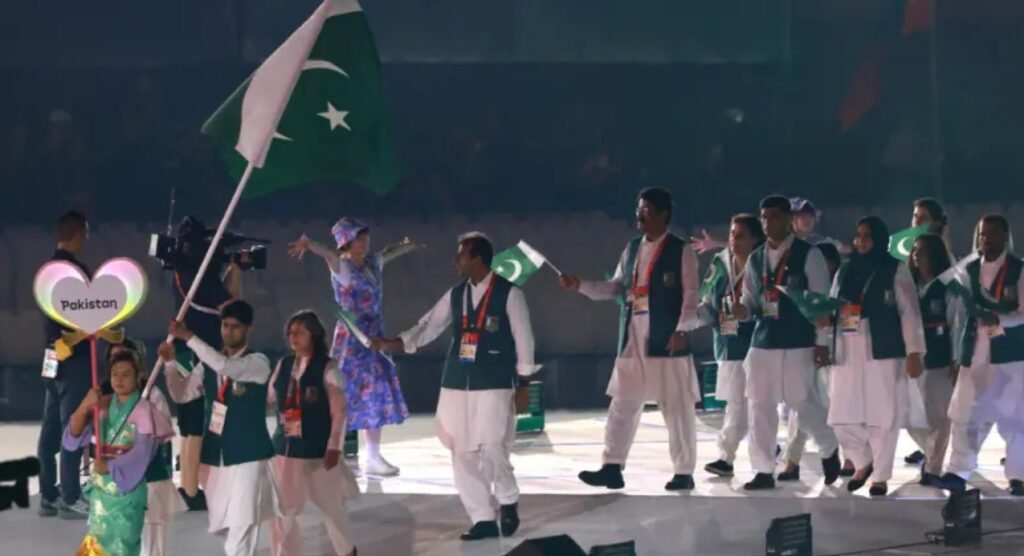
The opening ceremony was held in front of thousands of empty seats, while some major competitions also attracted surprisingly small crowds.
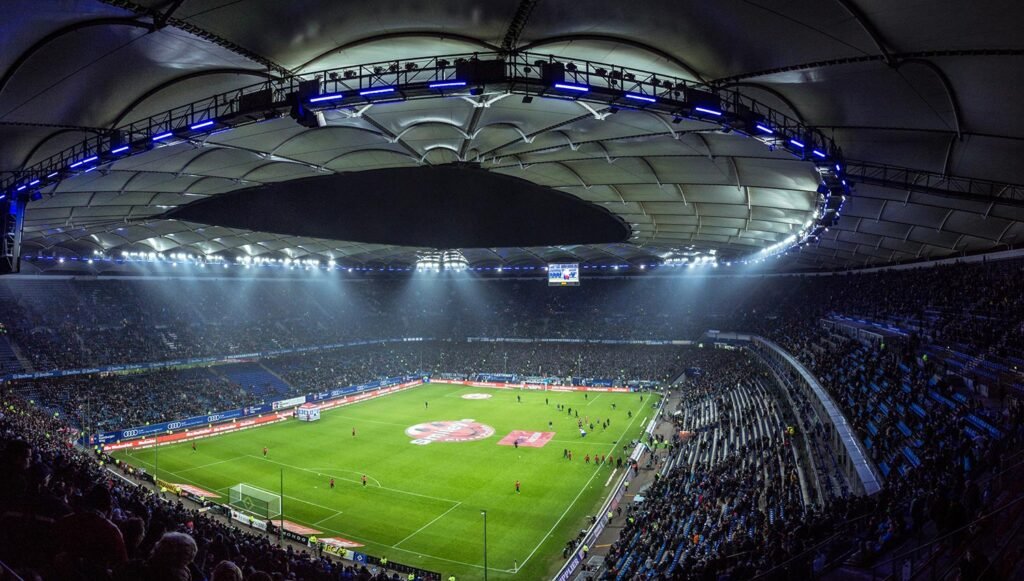
A women’s football semi-final between hosts Japan and South Korea reportedly drew only 998 spectators at a stadium with a capacity of 50,000.
Japanese Olympic Committee President Seiko Hashimoto acknowledged that the Games had faced numerous problems but said Japan remained interested in hosting international sporting events.
She attributed some low attendances to poor weather while noting that several other competitions had attracted strong crowds.
Around 30,000 spectators watched South Korea defeat Japan 1-0 to win men’s football gold. However, the medal ceremony was also marred when the South Korean flag failed to rise properly.
Japan Finishes Second Behind China
Japan finished second in the overall medal standings with 83 gold medals, well behind China, which topped the table with 169 golds.
The hosts also celebrated a historic achievement in eSports, where 11-year-old Yuki Kurihara won gold and was believed to become the youngest champion in Asian Games history.
Several sports seeking wider Olympic recognition also made their Asian Games debuts, including padel, mixed martial arts and virtual taekwondo.
The Games will formally close on Sunday, with Japan set to hand over hosting responsibilities to Doha, which will stage the next edition.
Despite the organisational challenges, the competition produced a number of remarkable performances and introduced a new generation of Asian sporting talent to the international stage.

