














































































































































TTAP Condemns Alleged Use of Force Against Civilians in AJK, Calls for Immediate Talks

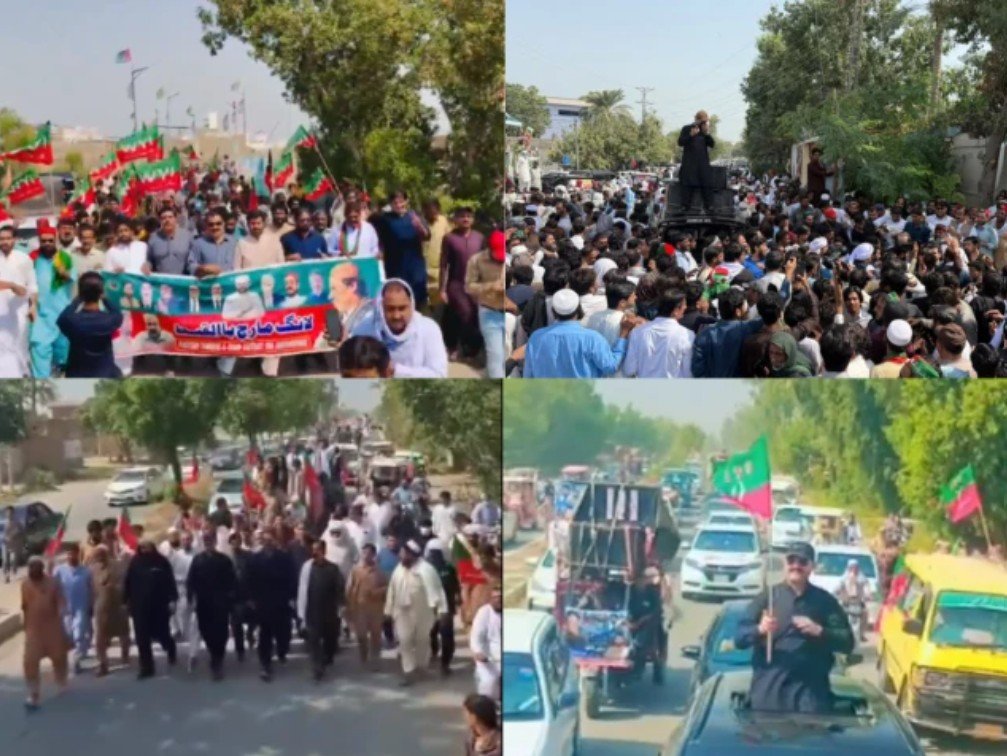
Tensions escalated after the AJK government proscribed the JAAC on June 6, ahead of a planned long march and protest scheduled for June 9.
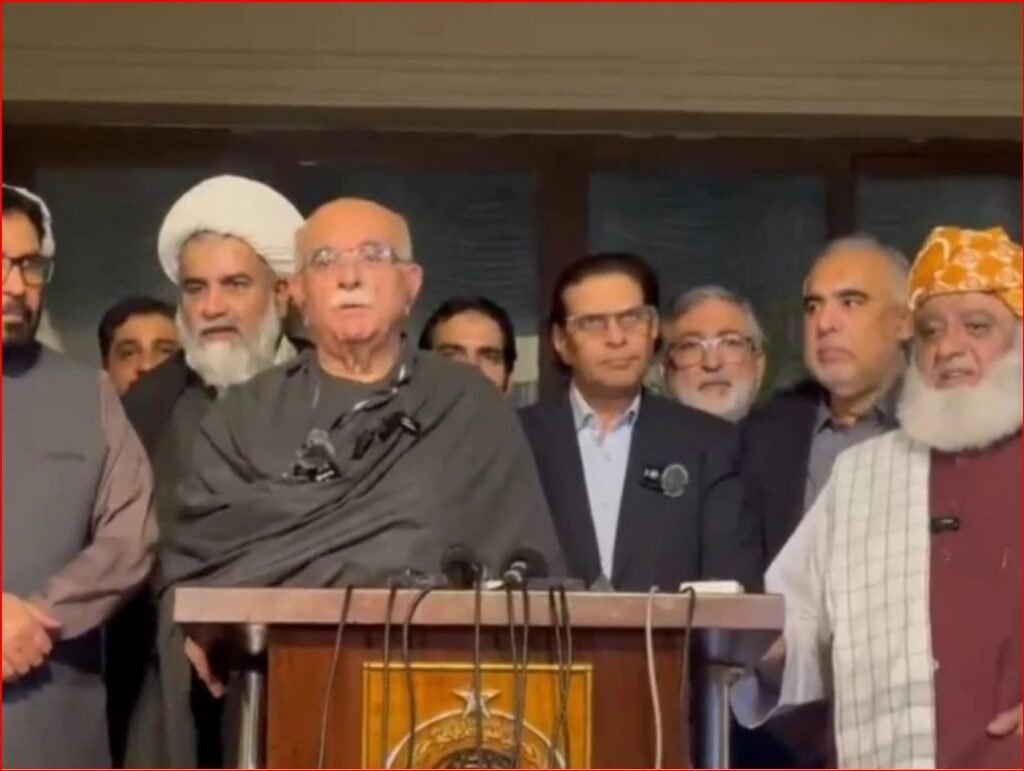
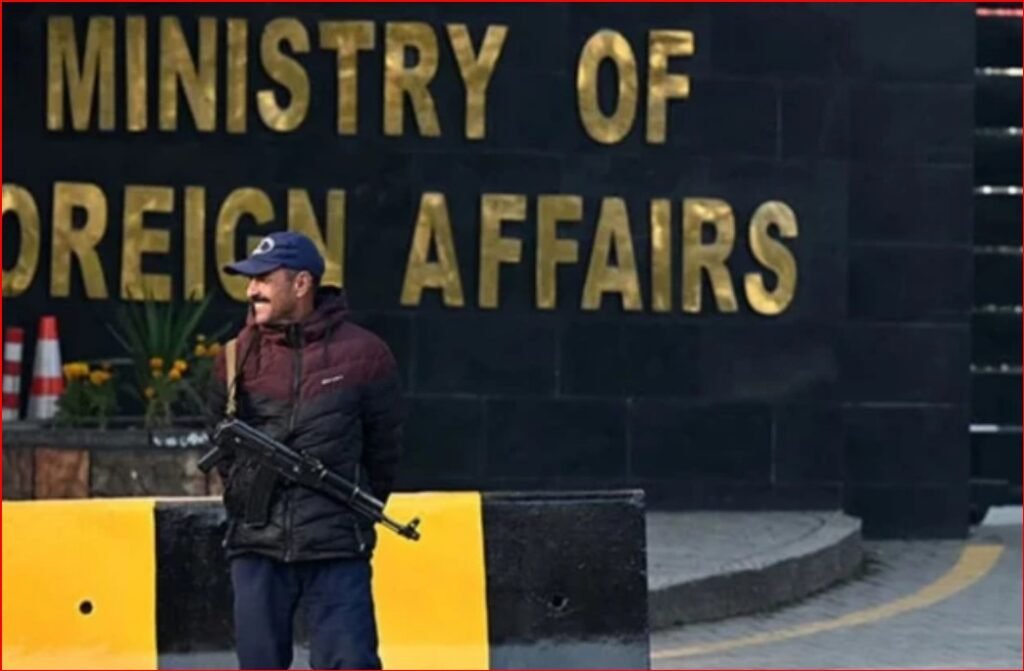
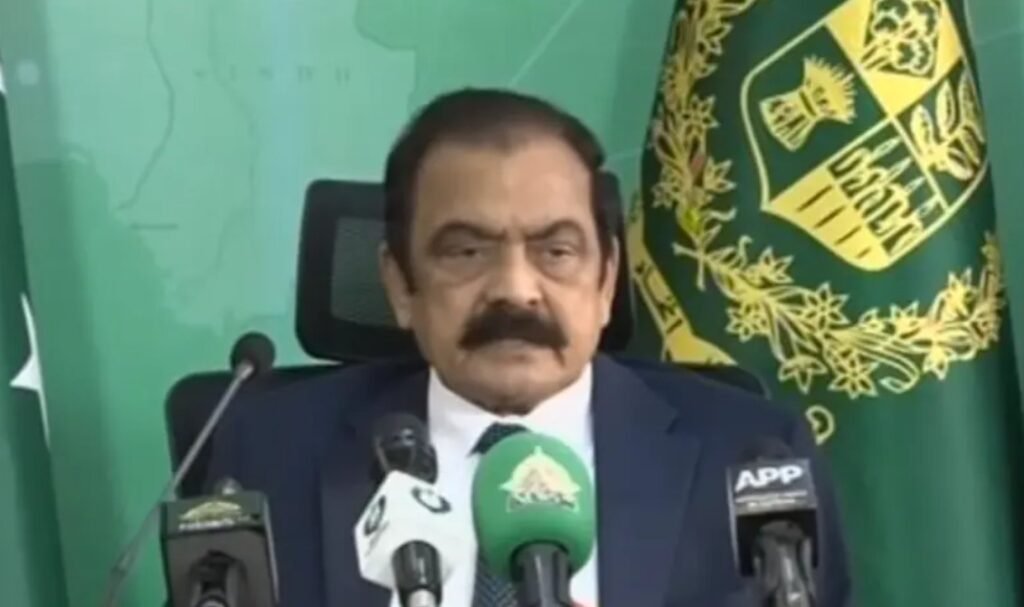
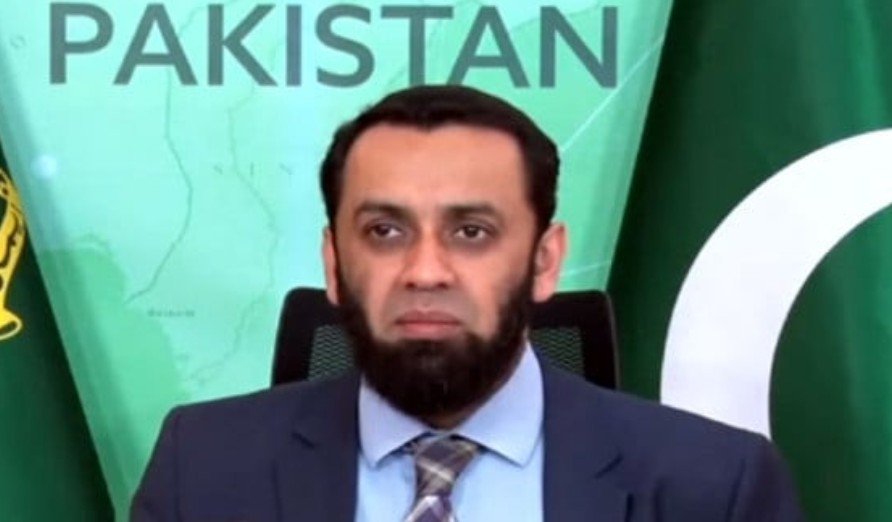
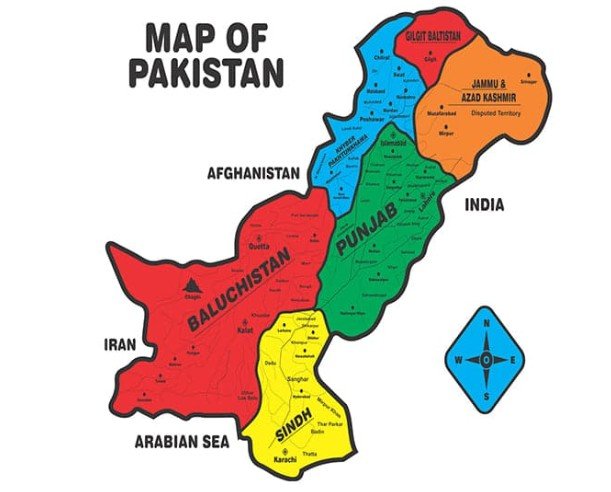
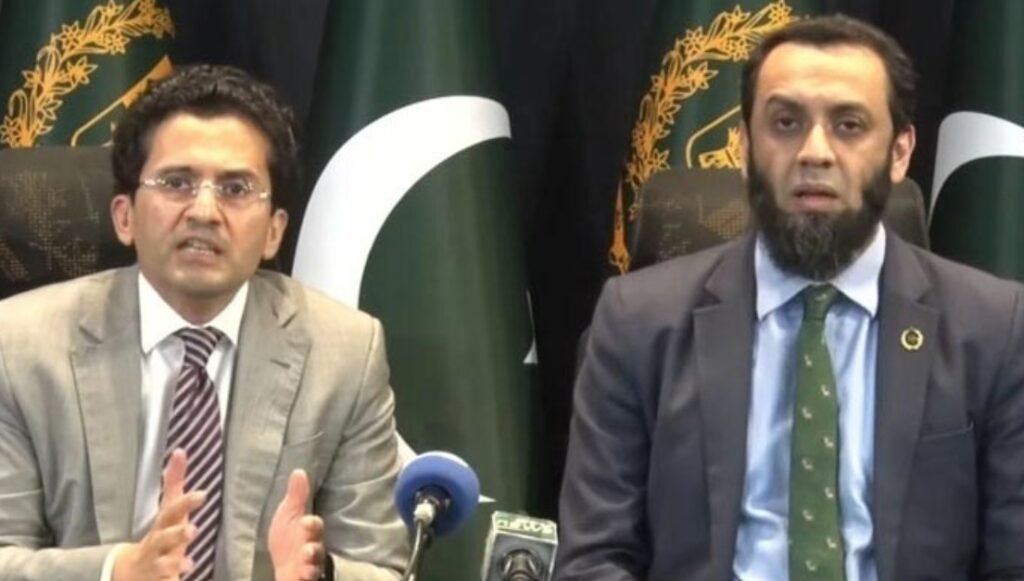
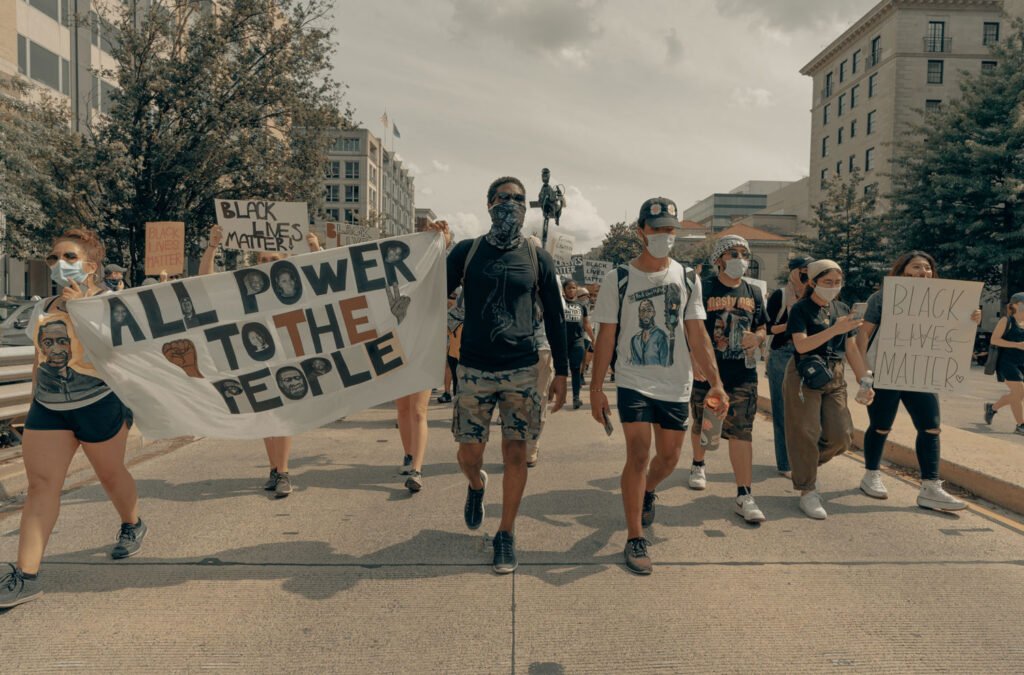
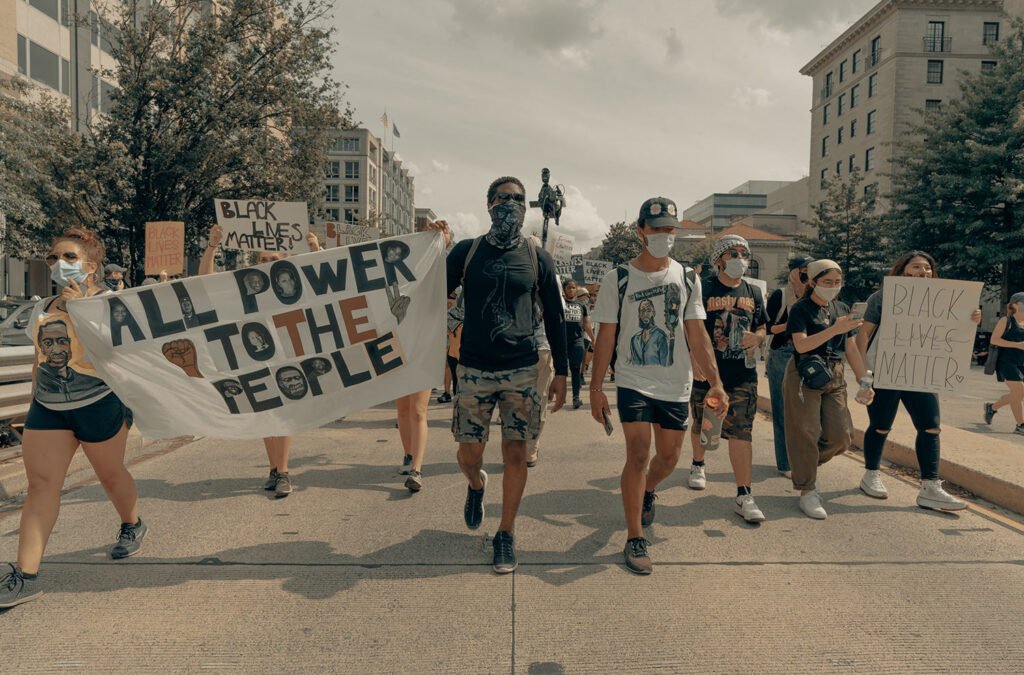
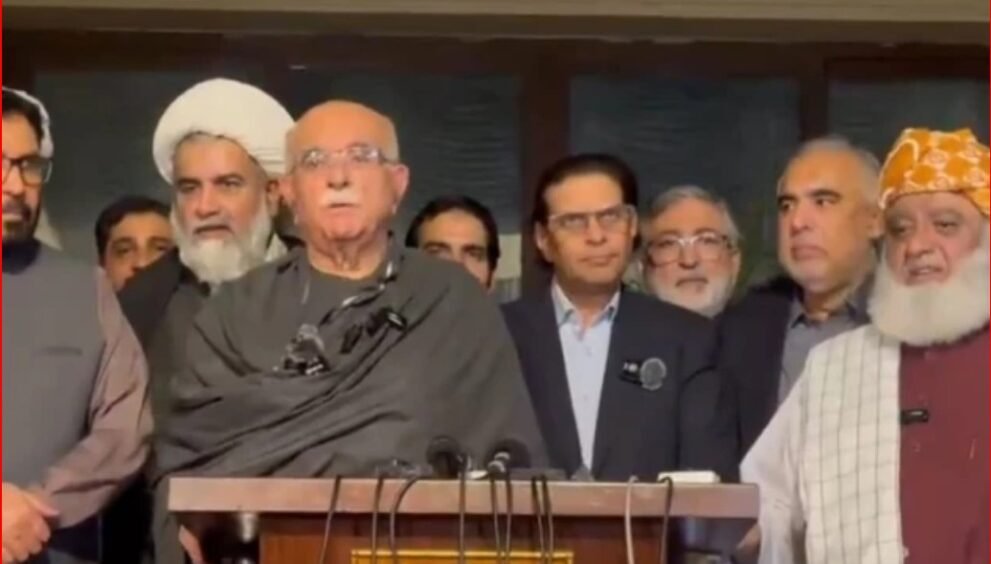
The Tehreek Tahaffuz-e-Ain Pakistan (TTAP) on Monday condemned the alleged use of force by state authorities against unarmed civilians in Azad Jammu and Kashmir (AJK), calling for immediate negotiations to end the violence and address protesters’ demands.
In a statement, the alliance described the reported loss of civilian lives and suppression of public protests as unacceptable, urging the government to prioritise dialogue and protect citizens.
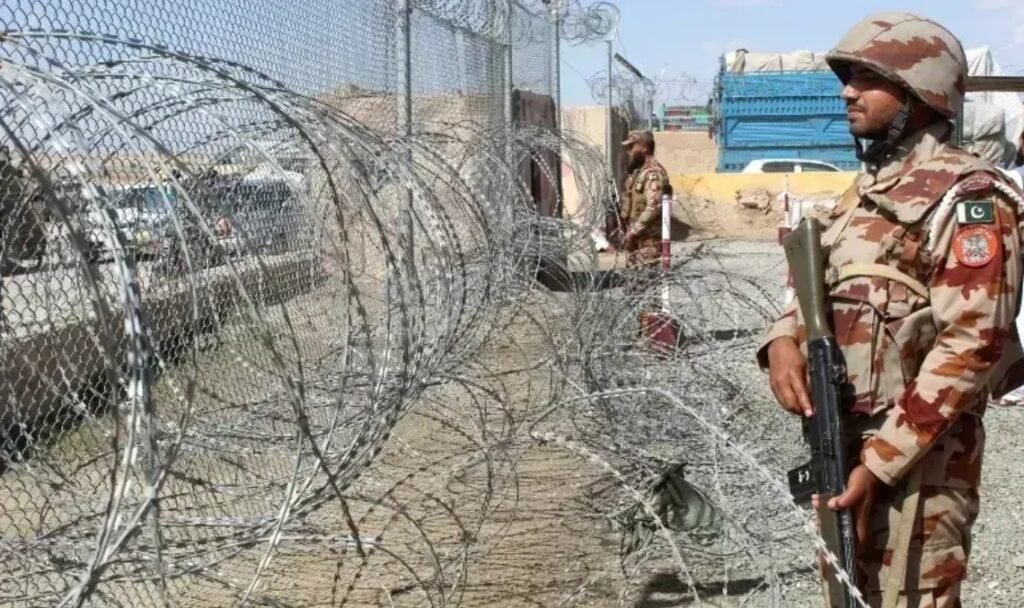
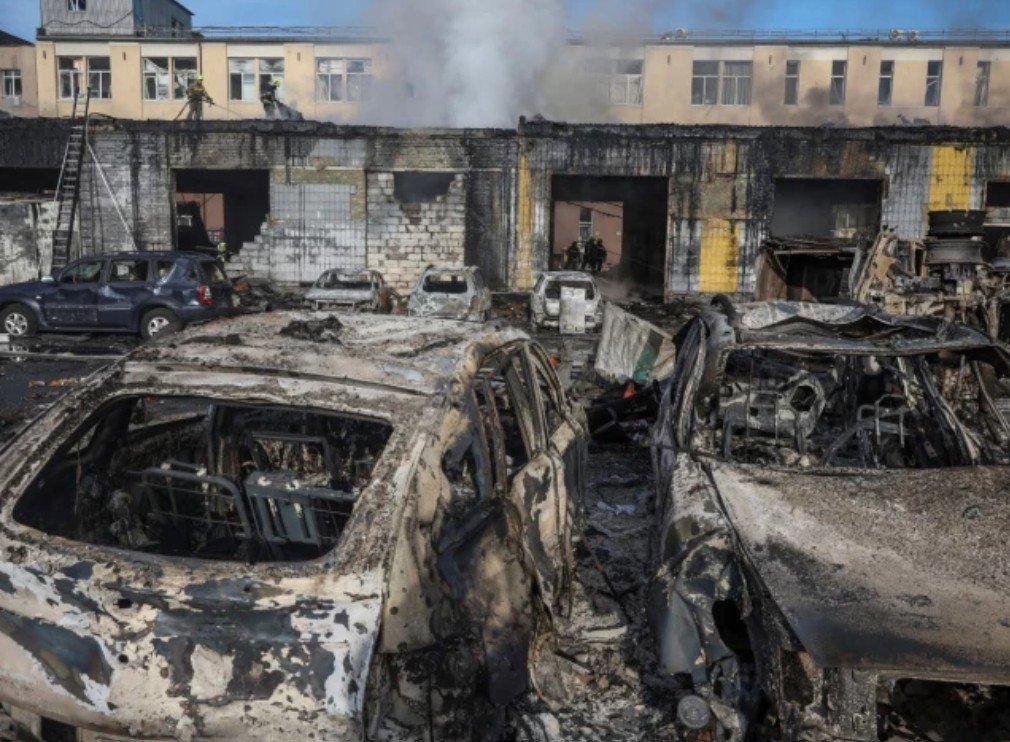
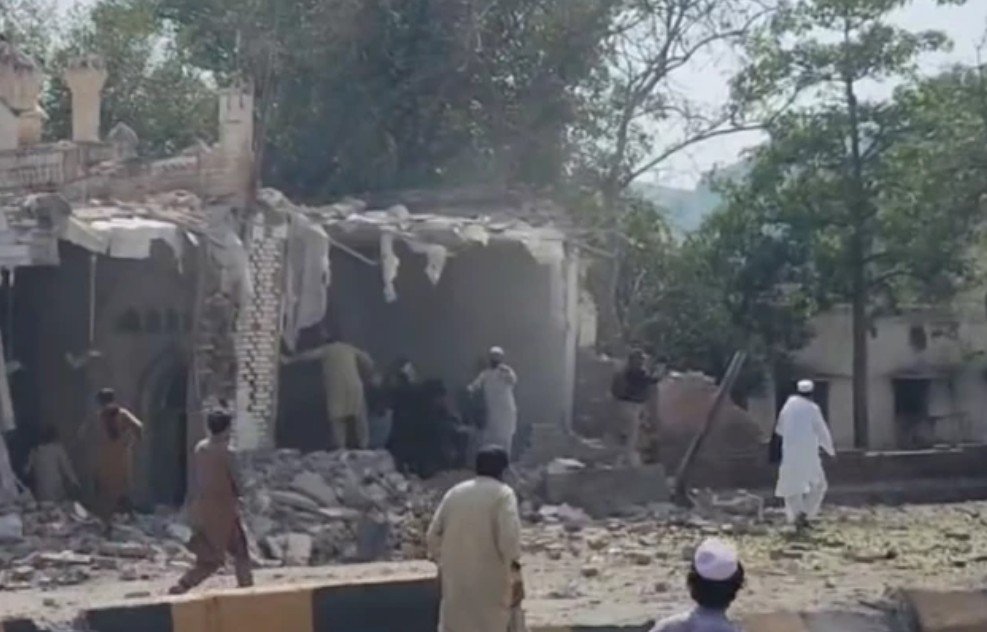
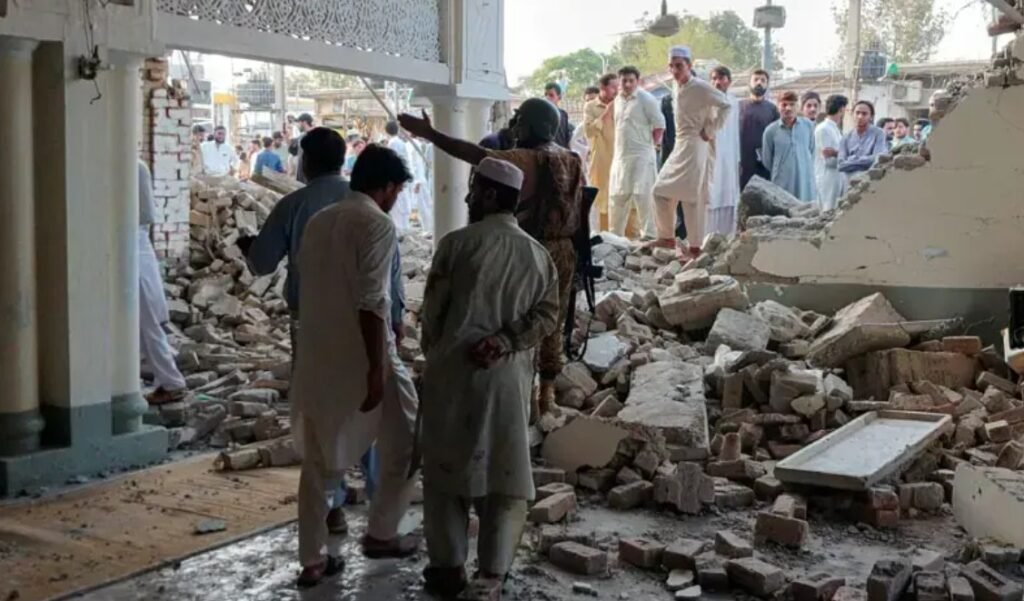
The statement comes amid unrest in Rawalakot, where clashes have reportedly taken place between security personnel and supporters of the Joint Awami Action Committee (JAAC), with casualties reported.
TTAP said the government had initially agreed to negotiate with the JAAC but later shifted towards suppressing the movement instead of making practical progress on its demands.
“Firing on unarmed civilians, the loss of human lives and the suppression of public voices are unacceptable under any circumstances,” the statement said.
It added that the state’s responsibility was to protect citizens rather than allow them to lose their lives at the hands of state institutions.
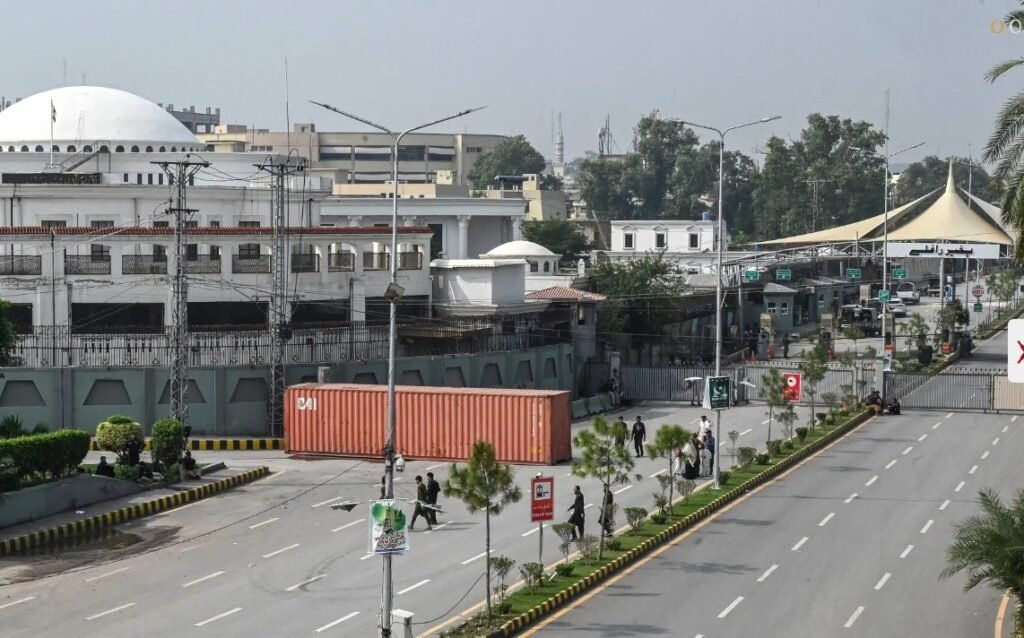
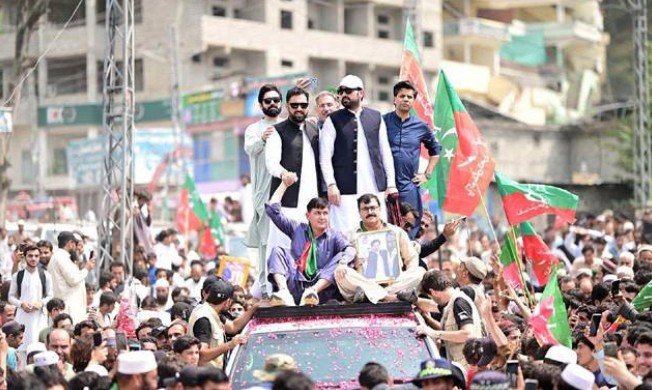
TTAP Delegation Stopped at Kahuta
The alliance said a high-level delegation travelling to AJK to meet protesters, express solidarity and assess the situation had been stopped at Kahuta and prevented from proceeding.
According to TTAP, the restriction undermined political and democratic activities and raised questions about the government’s intentions.
It demanded an explanation for preventing the delegation from reaching the protesters, describing the move as unjustified.
The alliance called for immediate and meaningful negotiations with protesters and practical steps to address their demands.
It also demanded that the bodies of all individuals allegedly killed by state forces be handed over to their families without delay. It called for transparent and impartial investigations into civilian deaths and the use of force to determine responsibility.
Other demands included immediate medical assistance for the injured, legal protection for arrested individuals and compensation for damage to public and private property.
TTAP also urged authorities to allow its delegation and other political and social representatives unrestricted access to affected communities and protesters.
The alliance warned that using force, making unnecessary arrests and restricting political representatives could further escalate tensions and lead to additional bloodshed.
It reaffirmed its commitment to raising the issue at constitutional and legal forums, saying the people of AJK were not alone in their struggle for constitutional, democratic and fundamental rights.
Sindh Rangers Personnel Dies After Rawalakot Firing
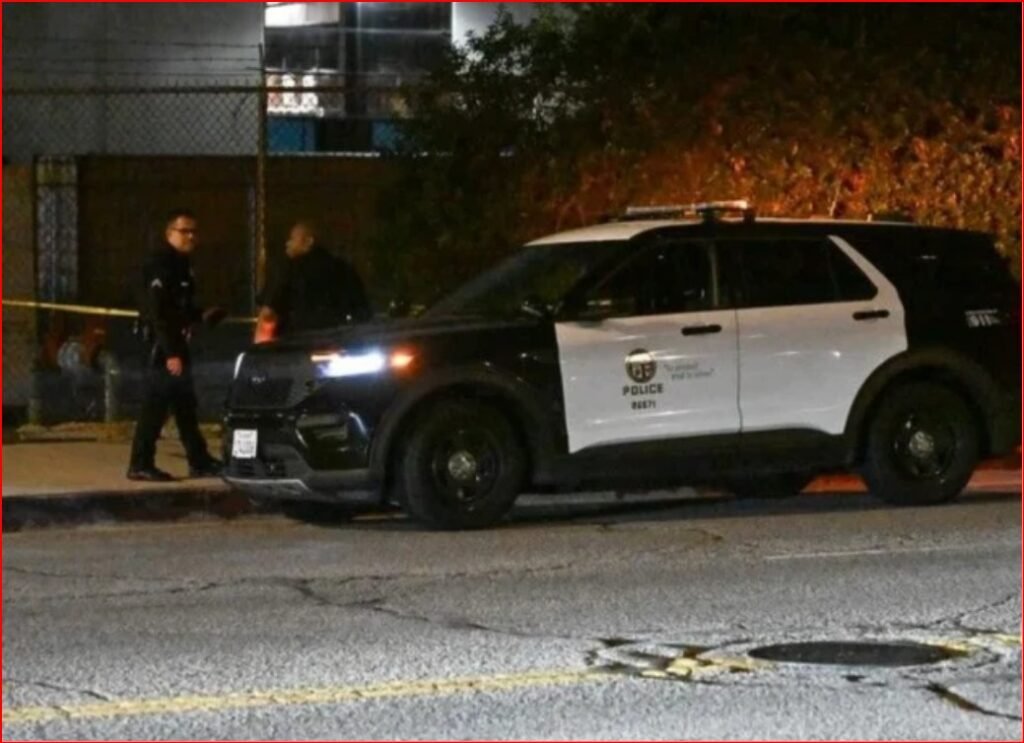
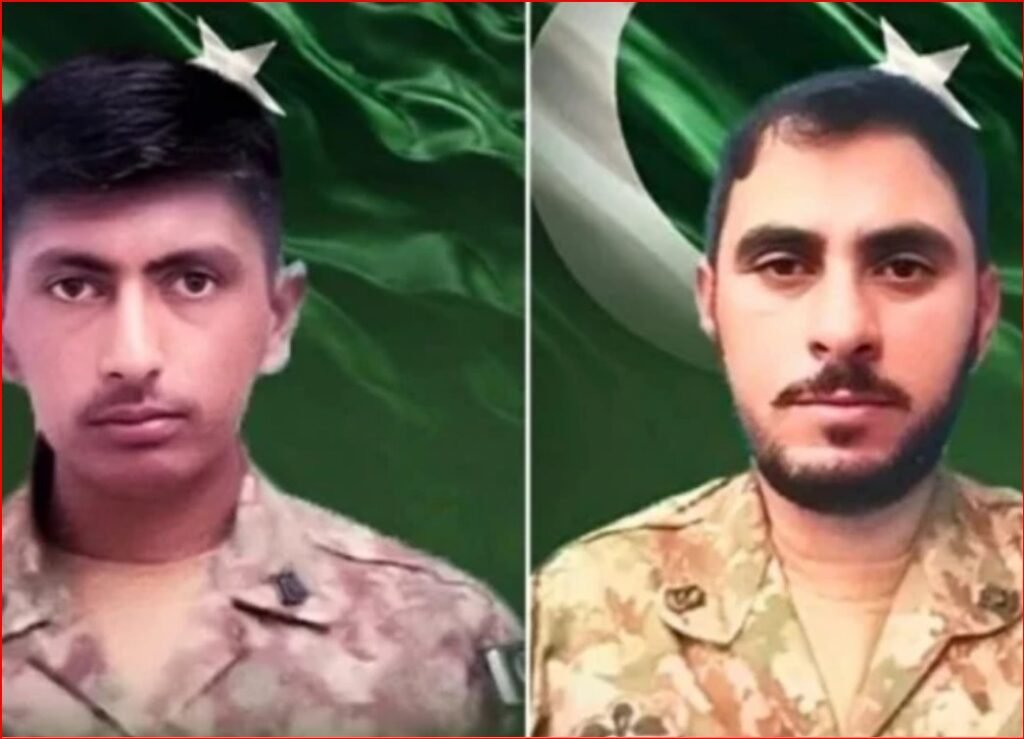
Meanwhile, a Naik of the Sindh Rangers who was injured during firing at an AJK police post in Rawalakot on November 5 died of his injuries on Sunday, according to an AJK Police spokesperson.
The deceased was identified as Naik Bostan Khan, a resident of Kohat district serving with the Sindh Rangers.
He had been deployed alongside AJK Police at the latter’s request to assist in maintaining law and order in the region.
The police spokesperson said law enforcement personnel continued to make sacrifices while protecting lives and property and maintaining public order.
AJK Police expressed grief over his death and extended condolences to his family, adding that such incidents would not undermine the morale of law enforcement agencies.
The statement said the authorities remained committed to protecting the public, restoring order and upholding the rule of law. Those involved in attacks on law enforcement personnel would be brought to justice in accordance with the law.
JAAC Advisory Council Calls for Independent Investigation
Separately, the Advisory Council of the Jammu Kashmir Joint Awami Action Committee (JKJAAC) expressed serious concern over the situation in Rawalakot and surrounding areas, calling for an immediate end to firing, an independent investigation and negotiations between the government and the committee.
The council said peaceful assembly, freedom of expression and public participation were fundamental democratic rights. It stressed that alleged misconduct by individuals should not justify collective force against an entire community or demonstrators.
It urged all parties to exercise restraint and avoid violence, threats or statements that could further increase tensions.
The council also called for the immediate handover of bodies to bereaved families, appropriate support and condolences, safe medical treatment for the injured, restoration of mobile and internet services, and publication of a verified list of detainees with details of their detention locations and legal status.
It further demanded safe access to peaceful demonstrations, media coverage, legal assistance and impartial human rights monitoring.
Proposal for Joint Fact-Finding Delegation
The advisory council urged AJK’s political leadership, the Bar Council, bar associations, civil society, media representatives and human rights organisations to establish an impartial, credible and unarmed joint delegation.
It offered to facilitate a national fact-finding and reconciliation delegation’s visit to Rawalakot.
The proposed delegation would visit protest sites and affected areas, hear accounts from demonstrators, residents, injured people, bereaved families and relevant authorities, and preserve evidence relating to deaths, injuries, arrests, alleged use of weapons and property damage.
The council proposed that the delegation publish a preliminary public report within 48 hours, identifying established facts, urgent recommendations and disputed claims. It would also help establish communication between the government and protesters and facilitate negotiations.
It called for an independent, transparent and time-bound investigation into all reported deaths, injuries, arrests and allegations of unlawful force, armed activity or incitement.
The council stressed that allegations should not be treated as established facts without verifiable evidence.
For negotiations, it proposed that the government and JAAC nominate authorised representatives and hold an initial meeting within 24 hours at a mutually agreed neutral venue. The parties should establish an agenda, record decisions in writing and set deadlines for implementation.
The council also urged political leaders to listen directly to affected residents and protest representatives instead of relying exclusively on closed-door briefings.
It said it did not support hatred, threats or retaliation against any individual, political party or institution, emphasising that its objective was to protect lives, uphold the rule of law and secure a peaceful political solution.
Background of AJK Protests
The unrest in AJK stems from a prolonged protest movement led by the JAAC, which has demanded constitutional and governance reforms.
The committee’s demands include abolishing 12 refugee-reserved seats in the AJK Legislative Assembly, ending privileges enjoyed by the political elite and reforming the quota system.
Tensions escalated after the AJK government proscribed the JAAC on June 6, ahead of a planned long march and protest scheduled for June 9.
The government maintained that 35 of the committee’s 38 demands had been accepted or implemented. However, authorities accused the group of subsequently resorting to violent attacks against state personnel and government assets.
In its notification, the government said it had reasonable grounds to believe that the Jammu Kashmir Joint Awami Action Committee, also known as JAAC and Awami Action Committee, was involved in terrorism.
On June 11, the government reinstated 177 first information reports (FIRs) against JAAC members, withdrawing concessions previously granted under an October 4, 2025 agreement. Authorities accused the committee of violating the agreement by returning to street protests.
The situation deteriorated further in July when clashes between protesters and law enforcement personnel in Rawalakot resulted in casualties. The Human Rights Commission of Pakistan (HRCP) subsequently called for an independent investigation as both sides presented conflicting accounts.
In August, the Pakistan Muslim League-Nawaz (PML-N) formed a government in the region after securing a majority in the AJK elections, with Barrister Syed Iftikhar Ali Gilani elected as prime minister.
However, tensions have continued despite the formation of the new government, with protests and clashes reported in Rawalakot and Muzaffarabad.
The Tribune Point said it could not independently verify the authenticity of the claims surrounding the unrest.

