





















































































































































Pakistan, Saudi Arabia Sign Visa-Free Agreement for Diplomatic and Official Passport Holders

NEW YORK:
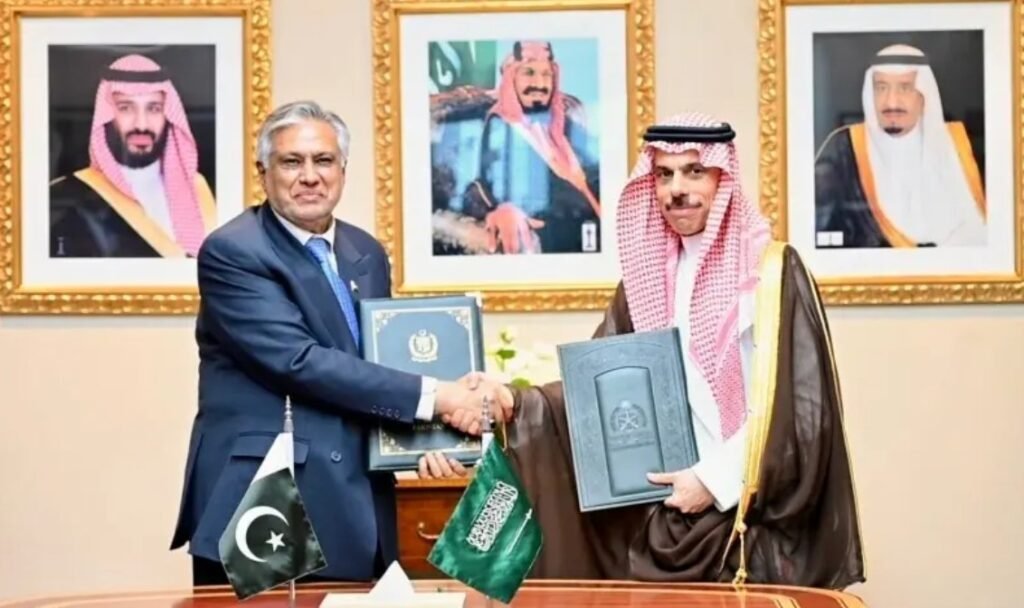
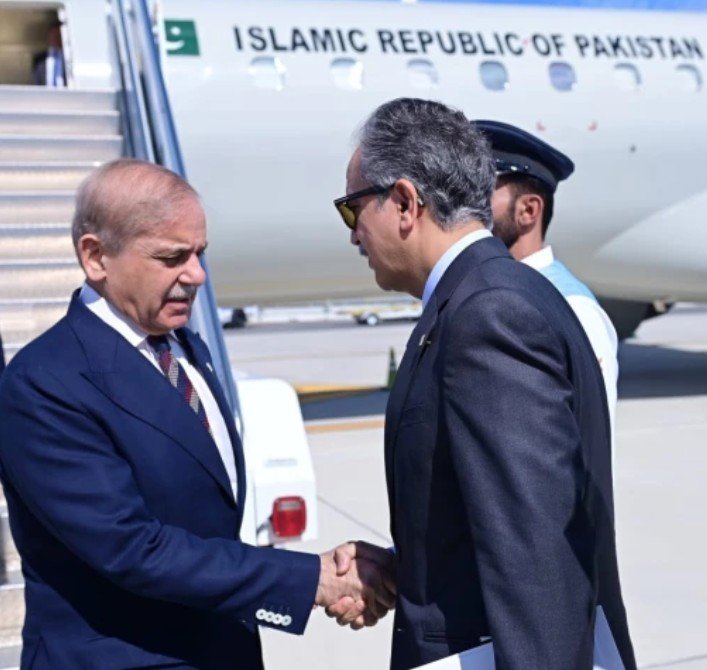
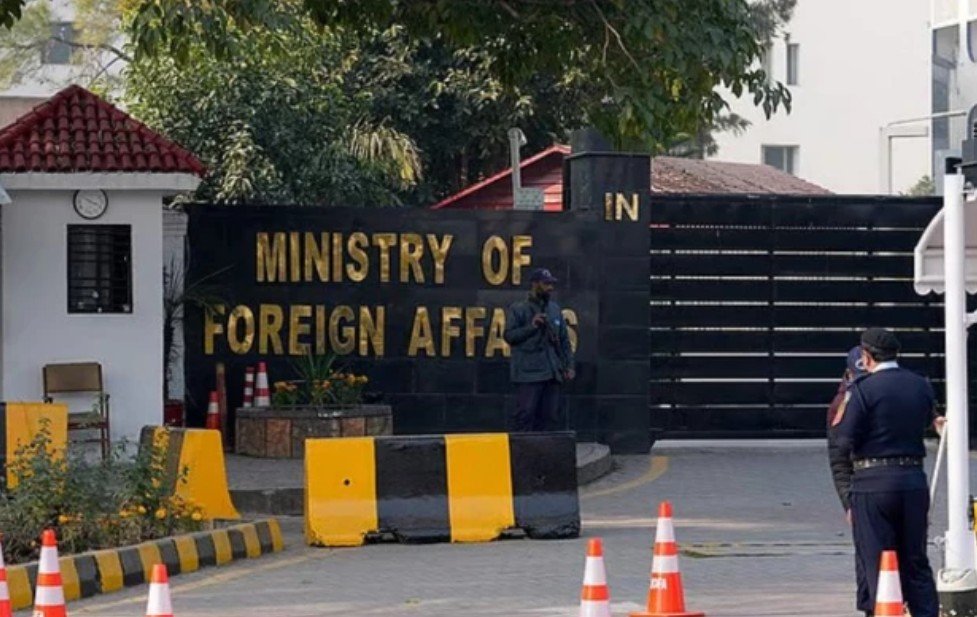
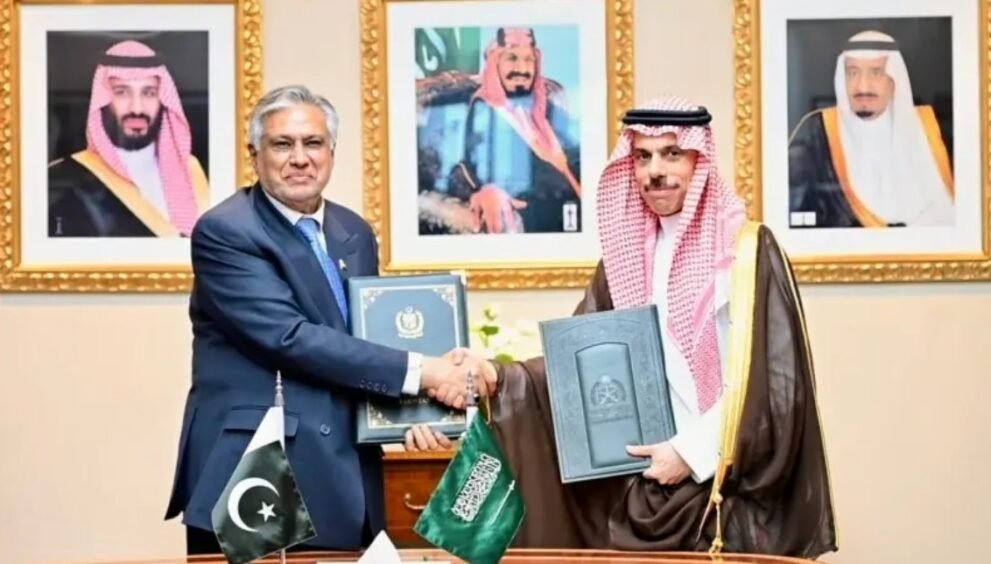
Pakistan and Saudi Arabia on Tuesday signed an agreement to waive visa requirements for holders of diplomatic, official and special passports.
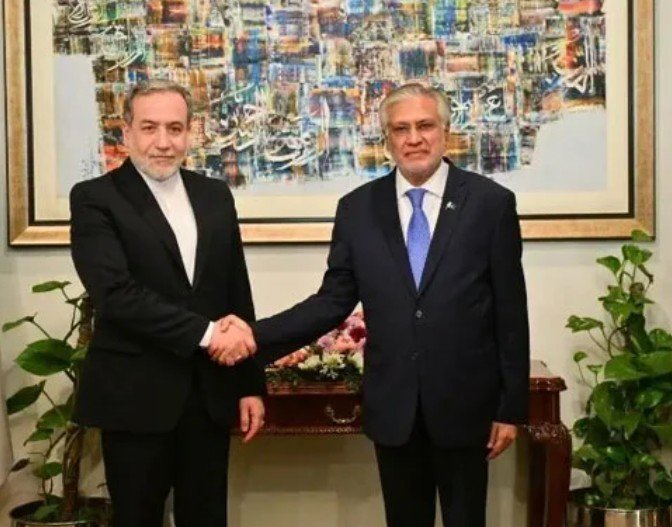
Deputy Prime Minister and Foreign Minister Ishaq Dar signed the agreement with Saudi Foreign Minister Prince Faisal bin Farhan on the sidelines of the United Nations General Assembly (UNGA) in New York.
Dar said the agreement would facilitate high-level engagement and institutional exchanges between the two countries and contribute to strengthening their strategic partnership.
Pakistan and Saudi Arabia maintain close bilateral relations and regularly exchange high-level diplomatic visits.
The two countries, along with Turkiye, signed a joint defence agreement on August 7 aimed at strengthening collective security, enhancing defence cooperation and promoting peace and stability in the region and beyond.
Later in August, Pakistan and Saudi Arabia also agreed to increase Pakistani agricultural and food exports to the Gulf kingdom to $3 billion.
Saudi Arabia also introduced a multiple-entry Umrah visa in July with one-year validity from the date of issuance. The visa allows pilgrims to enter the kingdom multiple times, with a cumulative stay of up to 90 days each year.
Dar condemns attacks on Saudi Arabia
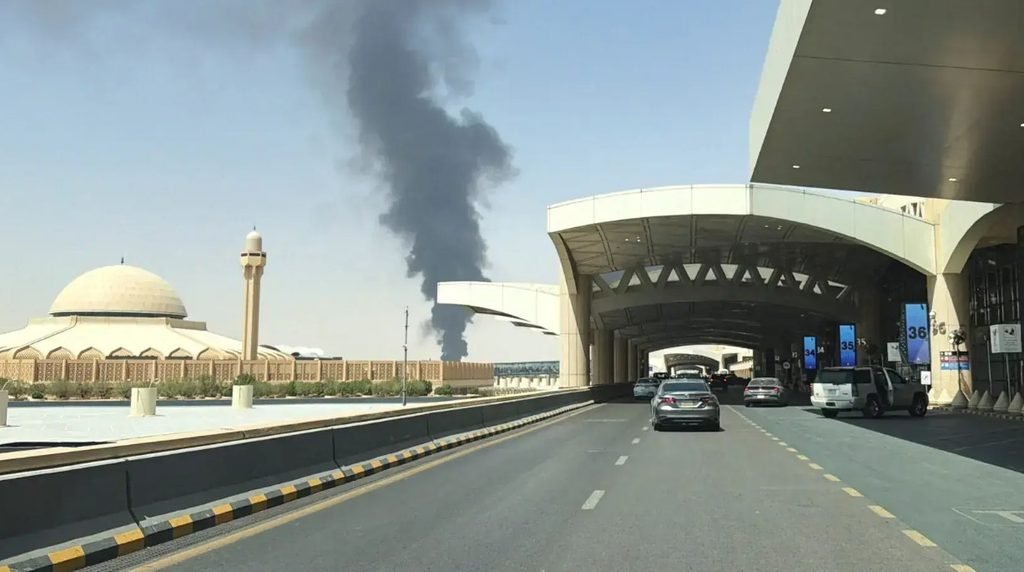
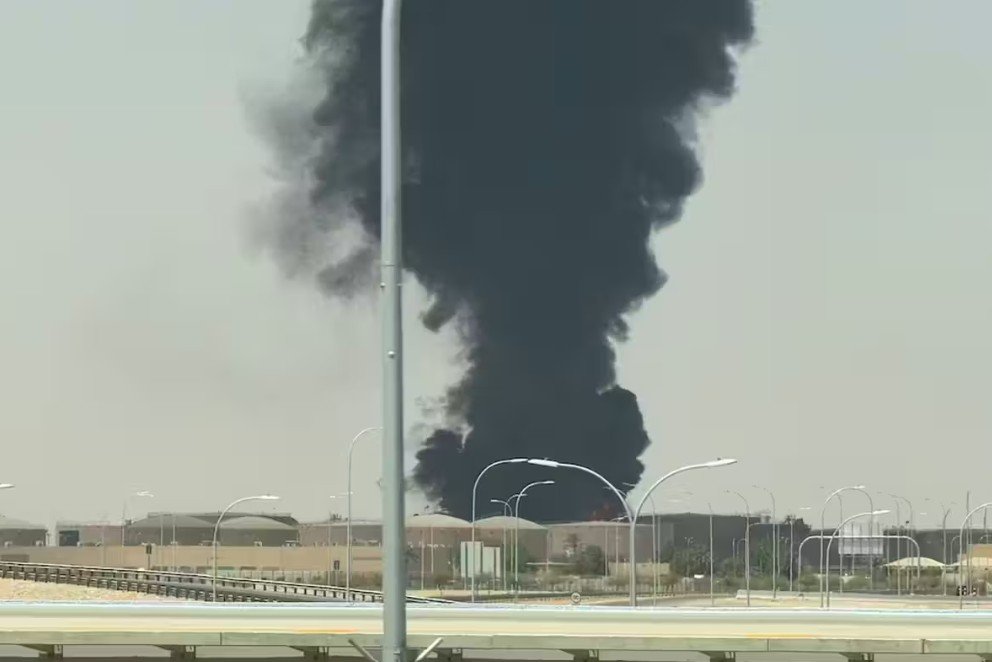
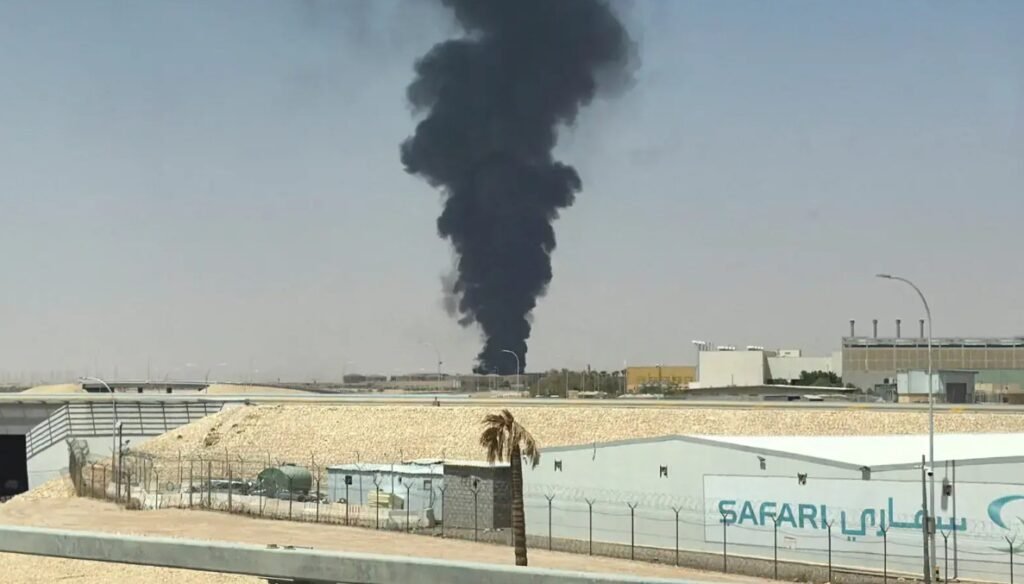
In a separate meeting with Saudi Foreign Minister Prince Faisal bin Farhan, Dar expressed Pakistan’s solidarity with Saudi Arabia and condemned recent attacks on the kingdom, according to Pakistan’s Foreign Office.
The meeting also covered the Makkah Joint Defence Agreement and regional security developments.
The Foreign Office said both sides reaffirmed their commitment to strengthening cooperation under the agreement and advancing regional peace, stability and security.
The defence pact provides for member states to consider an attack against one member as an attack against all members.
The two foreign ministers also stressed the importance of continued high-level exchanges and close coordination on bilateral and regional issues of mutual interest.

