




































































































































Nandita Das Remains Hopeful About Pakistan-India People-to-People Relations

“I don’t think anybody exactly knows what its impact would be,” she added.
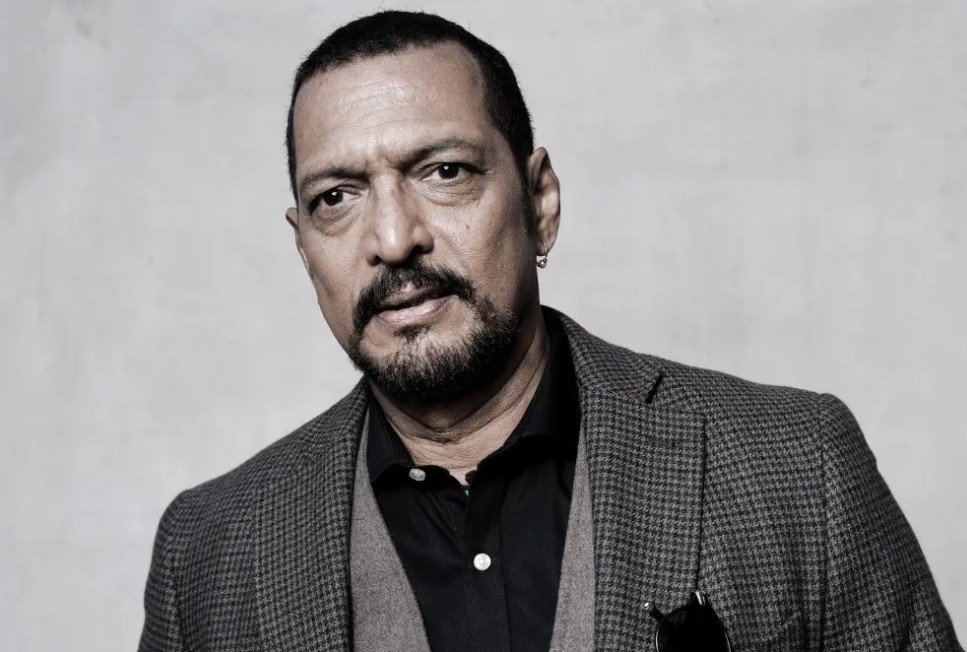
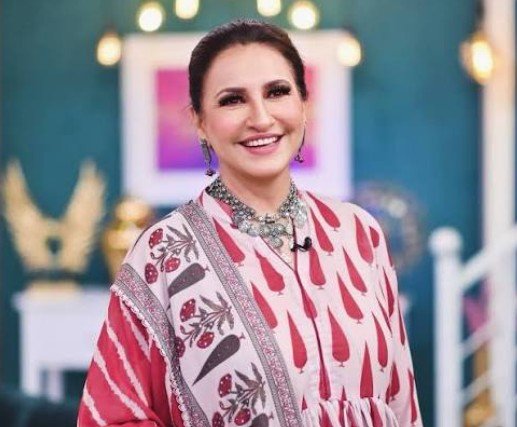
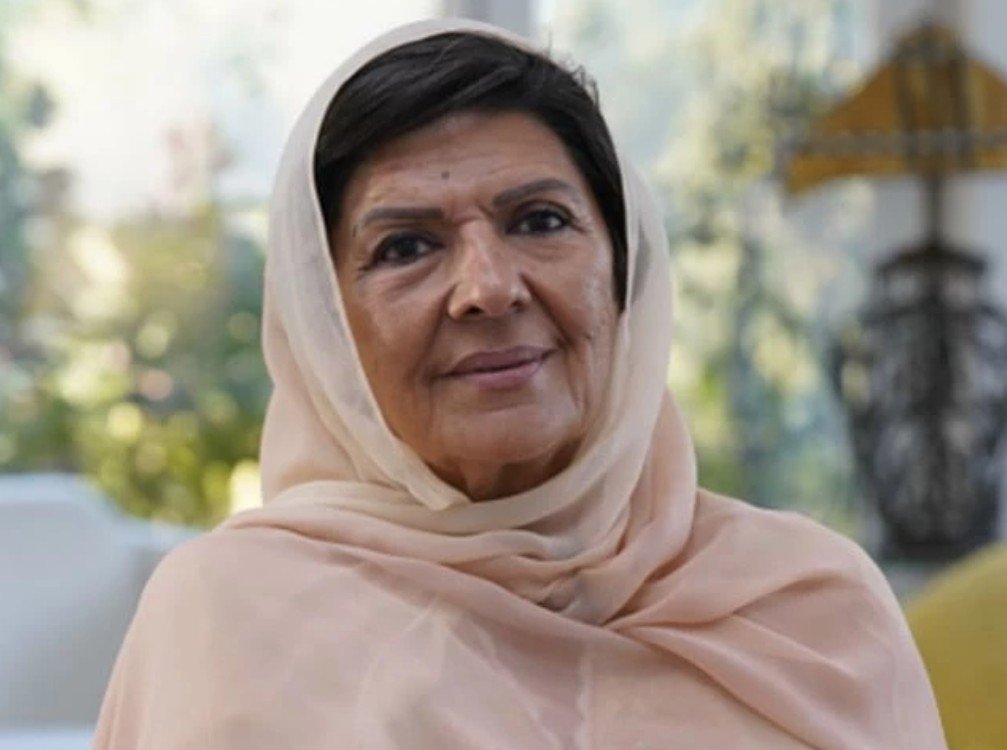
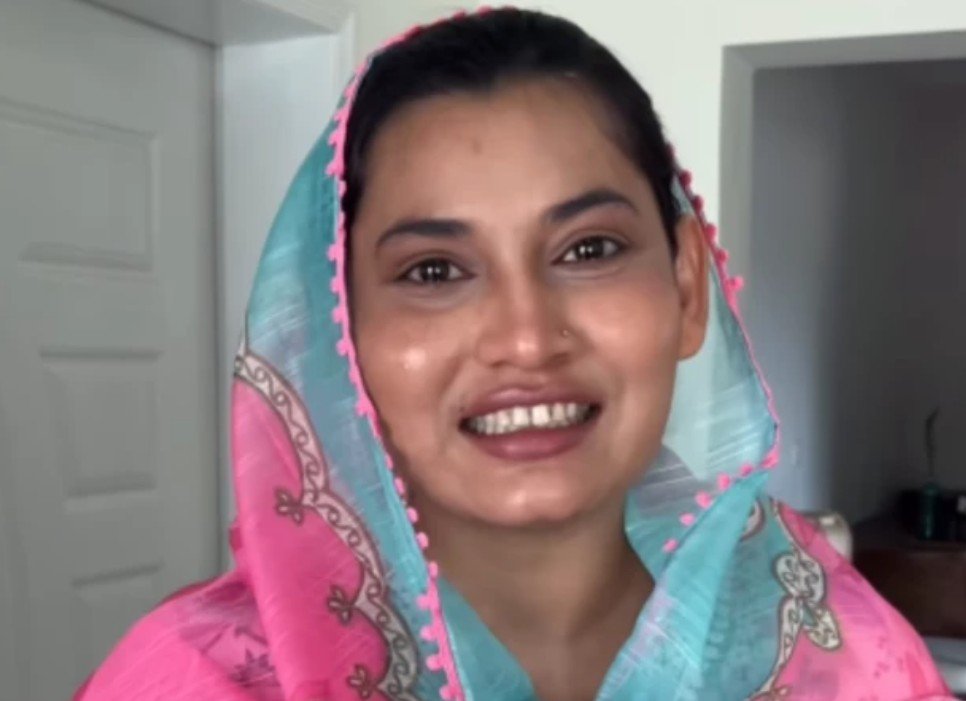
Indian filmmaker and actor Nandita Das has expressed optimism about improving relations between Pakistan and India, stressing that people-to-people connections and cultural exchanges can continue despite political tensions between the two countries.
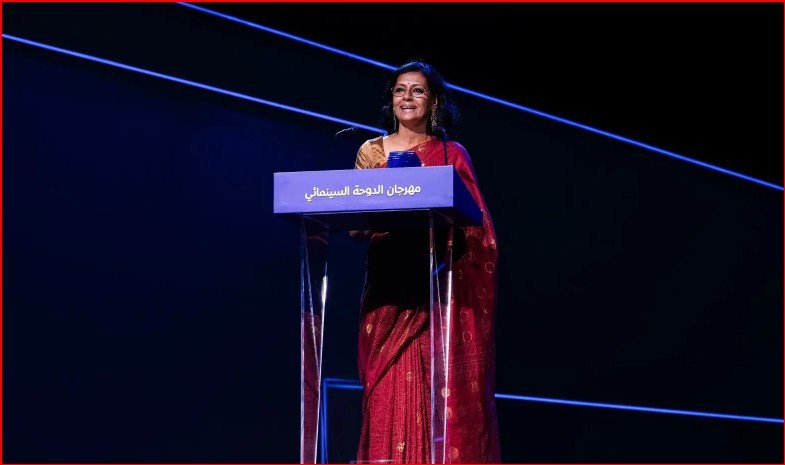
Speaking to reporters at the Doha Film Festival, where she received the Creative Excellence Award during the opening ceremony, Das highlighted the importance of art and cinema in bringing people closer. She also noted her recent visit to Pakistan to attend the Faiz Festival.
“I am an optimist, so I believe in hope even in the worst times,” Das said, quoting German playwright Bertolt Brecht: “Will there be singing in the dark times? Yes, there will be singing about the dark times.”
She acknowledged that political relations between Pakistan and India remain strained but maintained that people-to-people contact should continue.
Although official film collaborations between the two countries may remain difficult, Das said artists would continue finding opportunities to share stories and connect audiences.
“I hope there will be dawn,” she said, adding that people should avoid cynicism and focus on the positive possibilities.
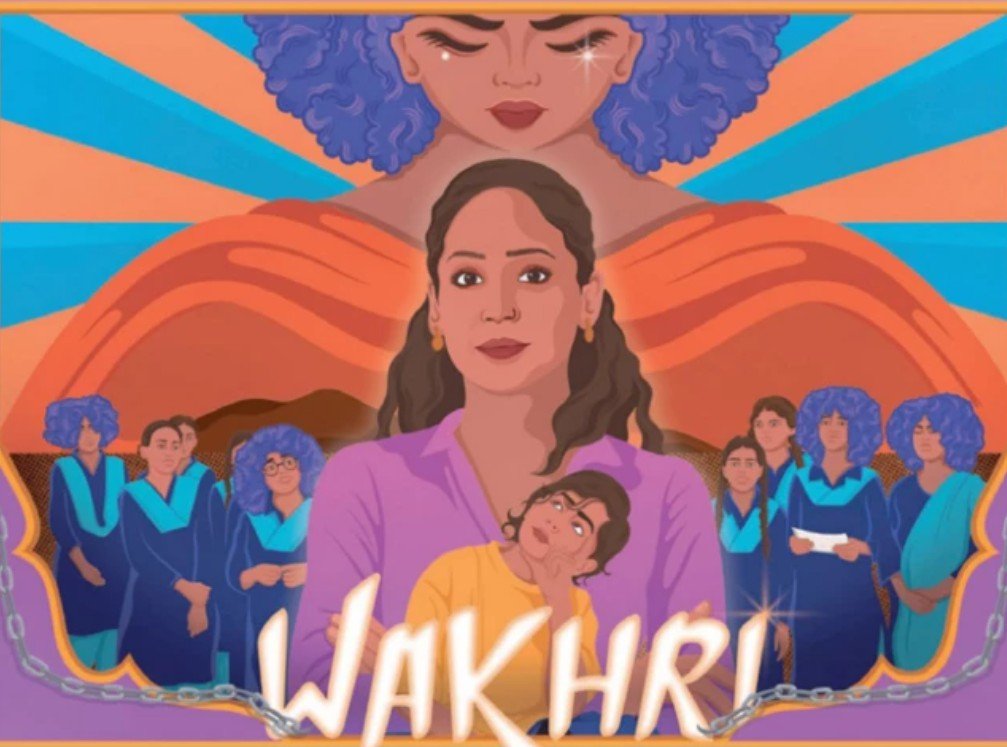
Das, who has acted in 40 films and directed three, said she prioritises what she describes as “cinema with a conscience” over commercial projects that promote divisions among audiences.
She criticised preachy and polarising political narratives, arguing that cinema should humanise stories, highlight different perspectives and serve as a bridge between communities.
“Cinema with a conscience is becoming less and less,” Das said, observing that the industry is increasingly moving towards mainstream and commercial productions.
Discussing the political influence on filmmaking, Das said cinema is inherently political and can also be manipulated for propaganda purposes.
She highlighted the shrinking space for independent cinema in India, where approximately 1,000 films are produced annually. According to Das, the industry faces a situation in which producers claim they make films according to audience preferences, while viewers argue that they watch whatever content is made available to them.
She added that streaming platforms, once considered an important opportunity for independent filmmakers, have also become increasingly mainstream.
However, Das strongly defended creative freedom, saying, “If you want your freedom, you have to fight for others’ freedom too with the same energy.”
On the growing influence of artificial intelligence in filmmaking, Das said the industry faces challenges for which it is not fully prepared.
Although AI-generated scripts can currently be identified relatively easily, she believes the technology will become more sophisticated over time.
“I think human experiences and things that you can do with your hand would become more important,” she said.
Das acknowledged that artificial intelligence is here to stay and revealed that she sometimes uses it to shorten emails, although she does not rely on it for writing.
“I don’t think anybody exactly knows what its impact would be,” she added.
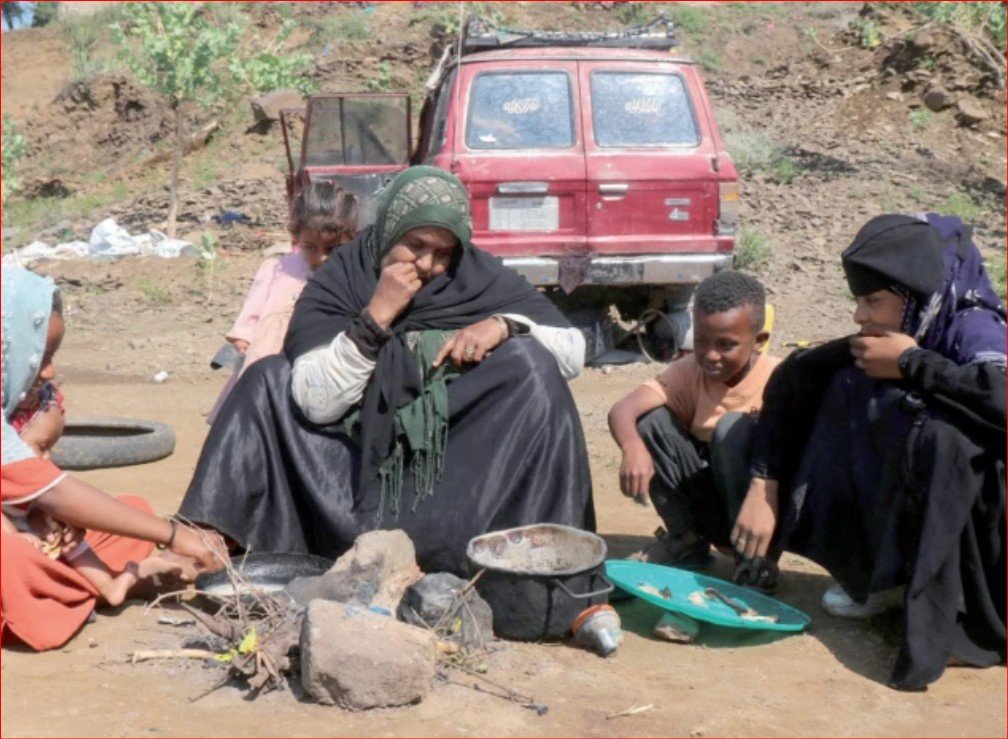
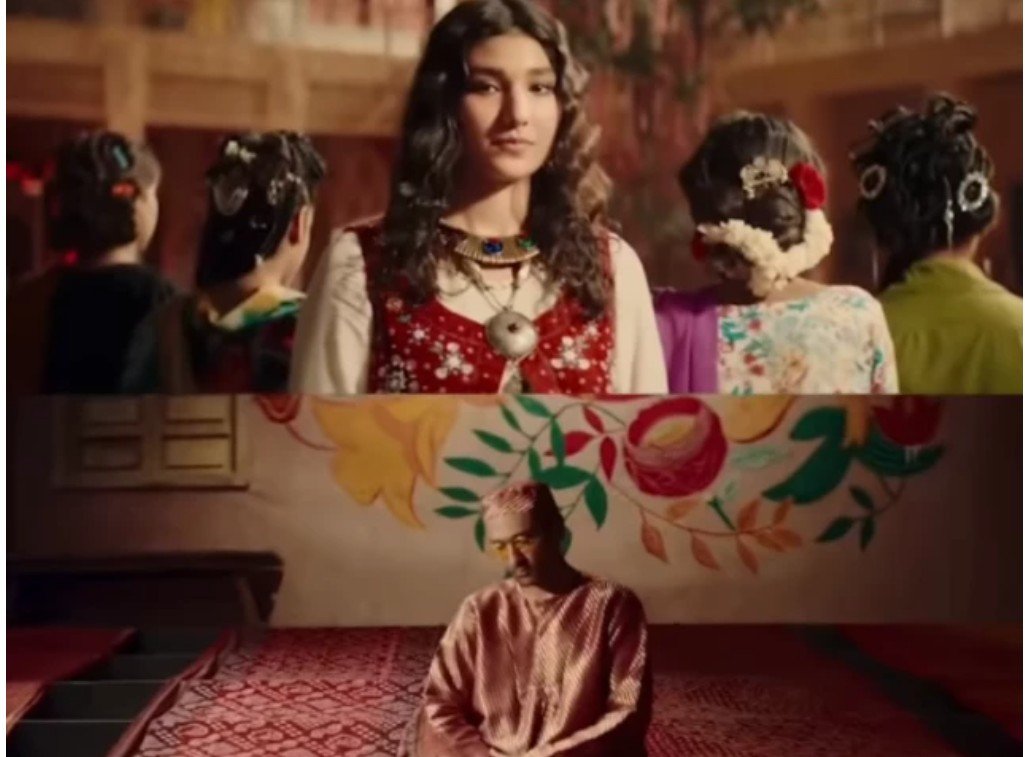
The Doha Film Festival opened with The Station, the debut feature by Yemeni director Sara Ishaq. The film portrays the struggles of women in conflict-hit Yemen as they attempt to protect their young sons from being drawn into the ongoing war.
Running until November 27, the festival features 104 films from 60 countries, including 17 world premieres and 48 premieres from the Middle East and North Africa region.
More than $300,000 in prize money will be awarded across four competition sections.

