

























































































































































































































ECP Proposes AI Rules to Curb Election Manipulation During Elections

The draft also prohibits AI-generated material designed to deceive voters by falsely portraying an individual’s image, words or actions.
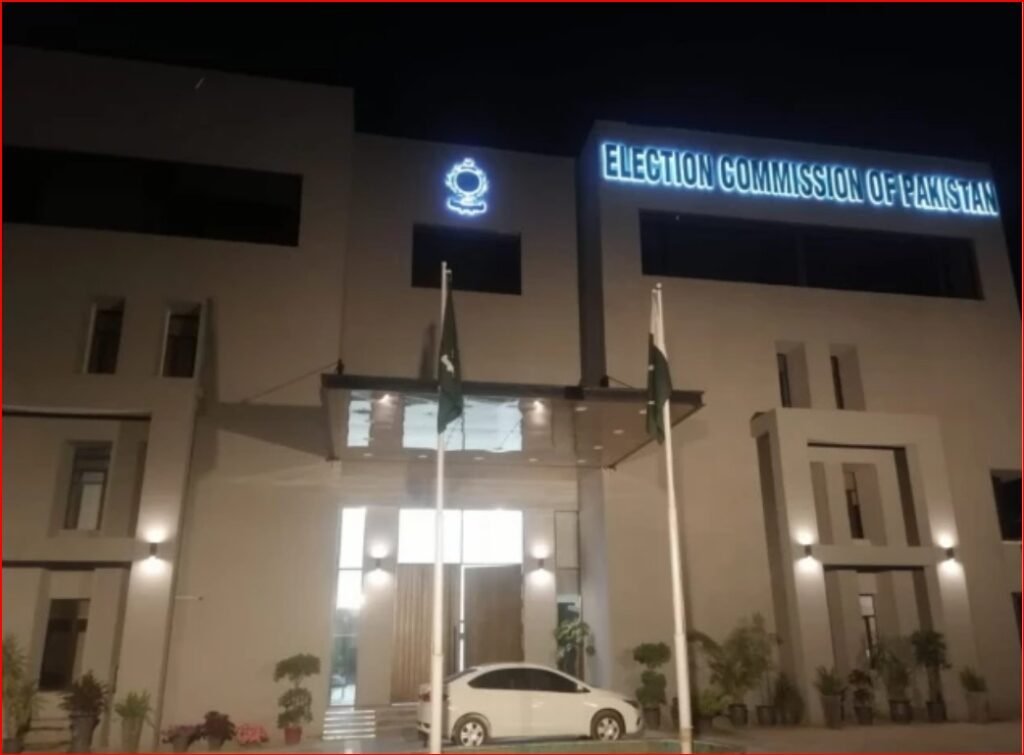
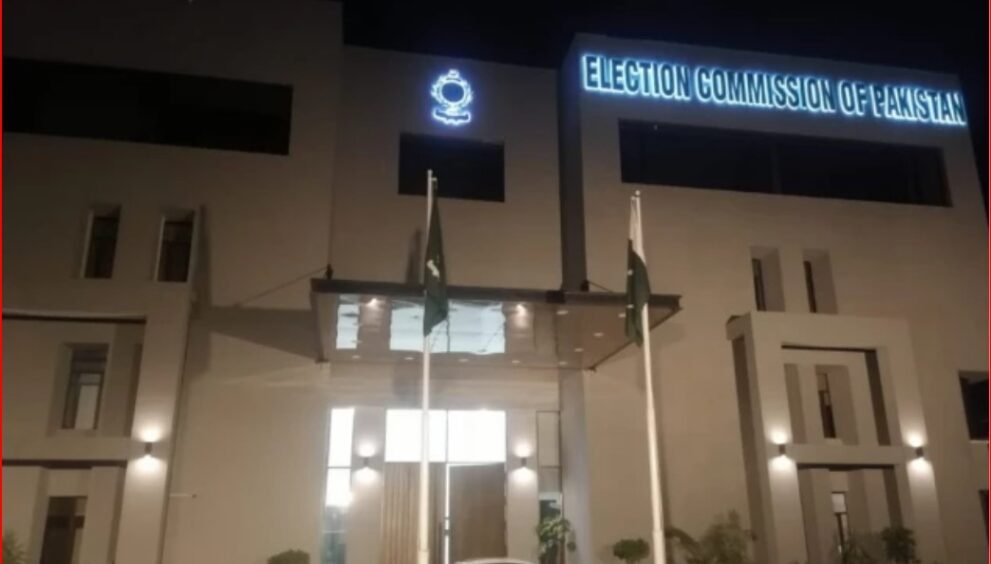
The Election Commission of Pakistan (ECP) has proposed 12 amendments to the 2023 codes of conduct for political parties, media organisations and election observers to address the misuse of artificial intelligence (AI) during elections.
According to ECP sources, the draft includes five amendments for media organisations, five for political parties and candidates, and three for election observers.
The commission has invited public and stakeholder feedback on the proposed amendments by November 20. The measures seek to regulate AI-generated content, prevent deceptive deepfakes and improve transparency in election-related communication.
Proposed Rules for Media Organisations
Under the proposed amendments, media organisations would be required to clearly disclose whenever content generated or modified using AI is broadcast, published or otherwise released.
The draft strictly prohibits the use of deepfake technology to create fabricated images, voices or statements involving political party leaders, candidates, election officials, members of the judiciary, armed forces personnel and other state officials when such content is false, defamatory or intended to ridicule them.
Media organisations would still be allowed to use AI tools to prepare, translate, present or analyse election-related content. However, they would have to disclose such use to their audiences and remain responsible for the authenticity and accuracy of the material.
The Pakistan Electronic Media Regulatory Authority (PEMRA), the Social Media Protection and Regulatory Authority, and the National Cyber Crime Investigation Agency would monitor undisclosed or unlabeled AI-generated media content and report violations to the ECP.
The proposed rules also require media houses to promptly remove misleading or undisclosed AI-generated content, or correctly relabel it, when directed by a regulatory authority or the ECP.
Rules Proposed for Election Observers
Three amendments have been proposed for election observers.
Observers would be required to remain vigilant for AI-related manipulation during their monitoring activities and immediately report suspected instances to the ECP.
The draft would also prohibit observers from using AI to generate, alter or enhance their observations, factual findings, photographs, videos or reports submitted to the commission.
Restrictions on Political Parties and Candidates
Five amendments have been proposed to regulate the use of AI-generated material by political parties and candidates during election campaigns.
Under the proposed provisions, political parties and candidates would not be allowed to create, publish, broadcast or distribute AI-generated or manipulated content, including deepfake images, videos and audio clips, without clearly identifying it as AI-generated.
The draft also prohibits AI-generated material designed to deceive voters by falsely portraying an individual’s image, words or actions.
Political parties and candidates would further be barred from creating fabricated, ridiculing or defamatory images, voices or statements of political leaders, candidates, election officials, members of the judiciary, armed forces personnel and other state officials through deepfake technology.
They would also be required to preserve all AI-generated content produced during the election process.
The proposed amendments additionally prohibit the use of AI-powered bots, automated accounts and similar tools to manipulate online engagement or create fake trends.
AI-based voter outreach through robocalls or voice-cloned messages would also be regulated. Such calls or messages would have to clearly disclose at the beginning that the content was generated using AI.
The proposed amendments are aimed at strengthening transparency and accountability in election campaigns and media coverage while addressing the growing risks posed by fabricated digital content and AI-driven voter manipulation.

