





































































































































































































































































































































US Midterm Elections 2026: Control of Congress at Stake as Democrats Challenge Republicans

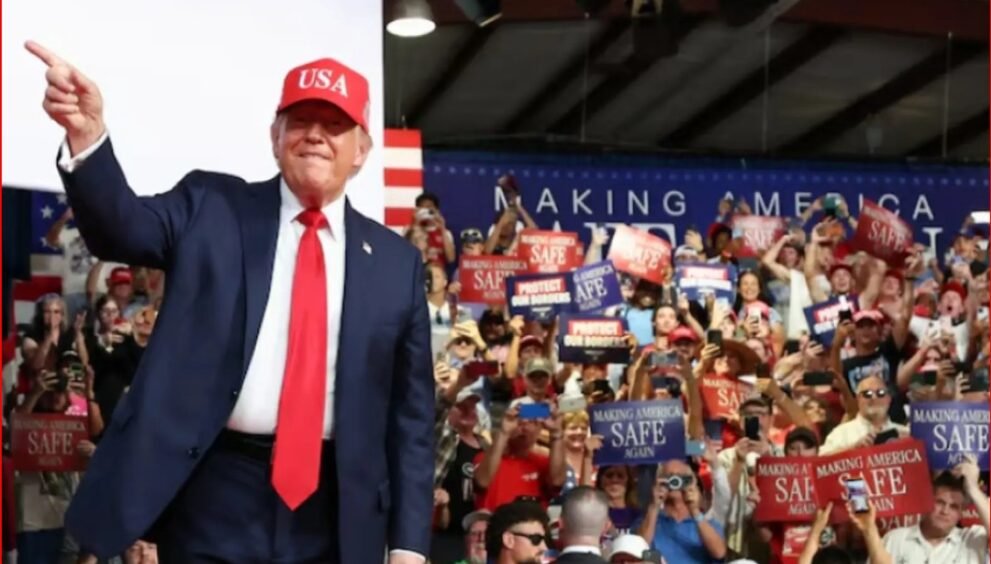
Questions about potential interference by Trump could also shape the election campaign.
WASHINGTON: The United States is heading towards its November 3, 2026, midterm elections, with voters set to elect members of the House of Representatives and Senate, as well as governors in 36 states.
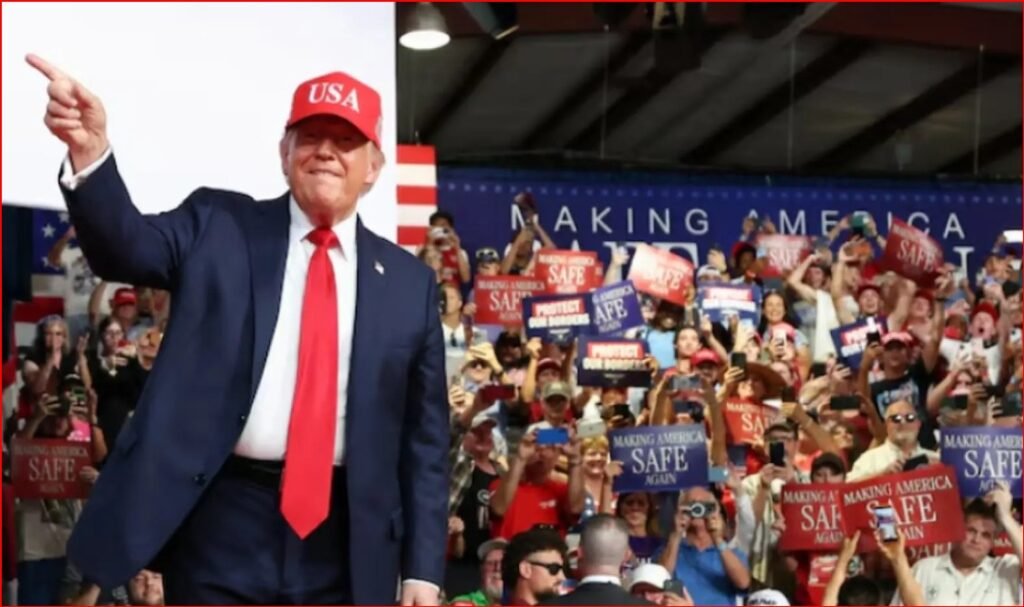
Although midterm elections do not involve the presidency directly, they can significantly influence President Donald Trump’s political standing and determine whether Republicans retain control of Congress.
More than 100 million Americans could vote if turnout matches the 2022 midterm elections. Meanwhile, political advertising spending had reached a record $3.8 billion by October 12, according to AdImpact, which tracks campaign advertising.
The highest spending has been recorded in competitive Senate races in Texas, Ohio and Michigan. Campaign finance records show that Elon Musk alone has spent approximately $366 million to support Republicans.
Turnout in midterm elections is generally lower than in presidential elections. More than 155 million votes were cast in the 2024 presidential election.
Control of Congress at Stake
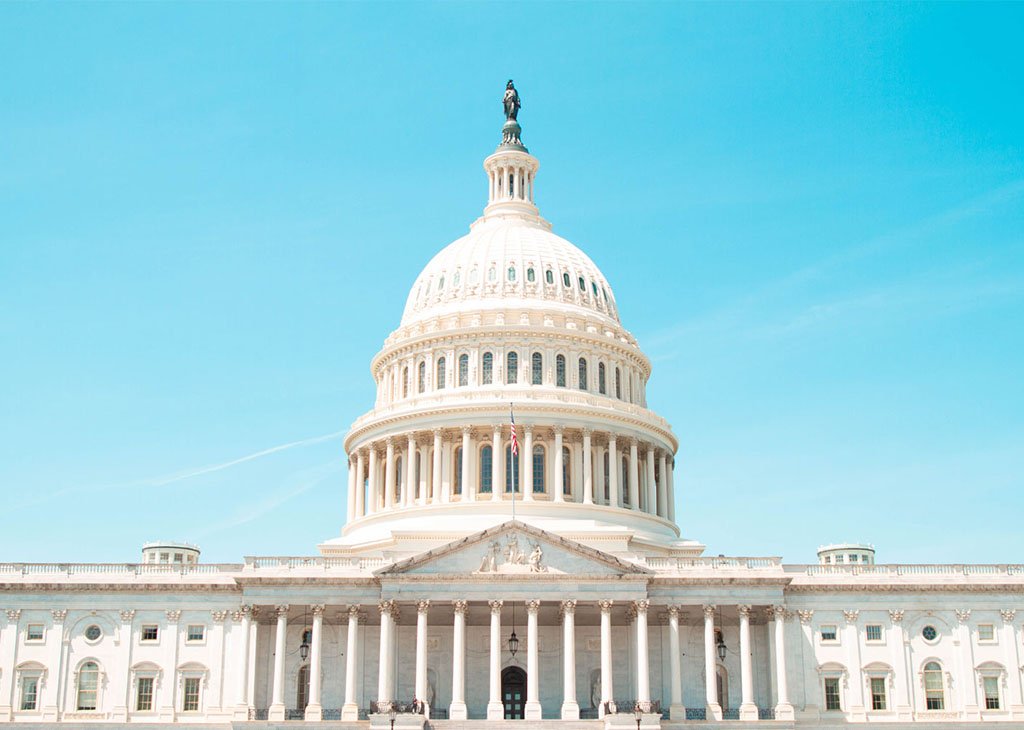
Democrats are seeking to regain control of Congress, where Republicans currently hold narrow majorities in both chambers.
In the House of Representatives, Republicans hold 218 seats against 214 for Democrats, with two vacancies and one independent who caucuses with Republicans. Democrats need a net gain of four seats to secure a majority.
The Senate presents another challenge. Republicans hold a 53-47 majority, meaning Democrats must gain four seats to take control.
Competitive Senate contests in states including Maine, Ohio, North Carolina, Iowa and Georgia could determine which party controls the chamber.
How the Midterms Could Affect Trump’s Presidency
Midterm elections have historically posed challenges for the party occupying the White House. For Trump and the Republicans, the November vote could reshape the political landscape ahead of the 2028 presidential election.
The elections give voters an opportunity to assess the president’s performance and express dissatisfaction with his administration. A poor Republican showing could force the White House to reconsider its policies and political strategy.
The results could also influence the messages and priorities of candidates preparing for the next presidential campaign.
What Are the Polls Showing?
Trump’s approval rating stood at 32 per cent in a September Reuters/Ipsos poll, marking a low point for his presidency, according to the supplied report.
Rising consumer prices and other domestic economic concerns could weaken Republican support in competitive races.
Democrats also appear more enthusiastic about voting than Republicans, according to the trends described in the report. If that pattern continues, it could benefit Democratic candidates in November.
Latino voters who shifted towards Trump in 2024 may also be reconsidering their support amid economic concerns and dissatisfaction with aspects of his immigration enforcement policies.
However, a decisive Democratic victory is far from guaranteed. Republicans could benefit from continued doubts about the Democratic Party, their advantage in campaign spending and concerns among moderate voters about left-wing candidates winning Democratic primaries.
Lessons From Previous Midterm Elections
Recent midterm elections illustrate how dramatically the political balance can shift.
In 2010, during Barack Obama’s presidency, Republicans gained 63 seats in the House of Representatives amid economic difficulties and opposition to his healthcare reform legislation. Democrats lost control of the chamber but retained their Senate majority despite losing six seats.
Obama described the Republican victory as a “shellacking”. Republicans subsequently pressed for significant reductions in non-defence spending.
Democrats delivered a setback to Trump in the 2018 midterms, gaining a net 40 seats in the House while Republicans recorded a net loss of two seats in the Senate.
The 2026 elections will also include gubernatorial contests in 36 states and races for state legislative seats across nearly the entire country.
According to Ballotpedia, Republicans currently control 55 per cent of state legislative seats nationwide, while Democrats hold 43.8 per cent.
Who Could Become the Next House Speaker?
If Democrats win control of the House, Representative Hakeem Jeffries of New York is the likely candidate to become speaker. He currently leads House Democrats.
Jeffries would become the first Black American to hold the powerful position, placing him in a position to direct committee investigations and influence the House legislative agenda.
He has repeatedly pledged to investigate what he describes as unprecedented levels of corruption under the Trump administration.
Democratic priorities would include reducing the cost of healthcare, groceries, housing, energy and other essential expenses.
If Republicans retain the House, the speakership would remain in Republican hands. Current Speaker Mike Johnson could continue in the role, although a leadership challenge could produce another candidate.
Republican priorities are expected to include further tax cuts, increased defence spending and reductions to social safety net programmes, building on Trump’s 2025 domestic policy legislation known as the One Big Beautiful Bill.
Key House Races to Watch
Several competitive House contests could determine which party secures a majority.
Among the closely watched races is Republican Representative Mike Lawler’s re-election campaign in a New York district won by Democratic presidential candidate Kamala Harris in 2024.
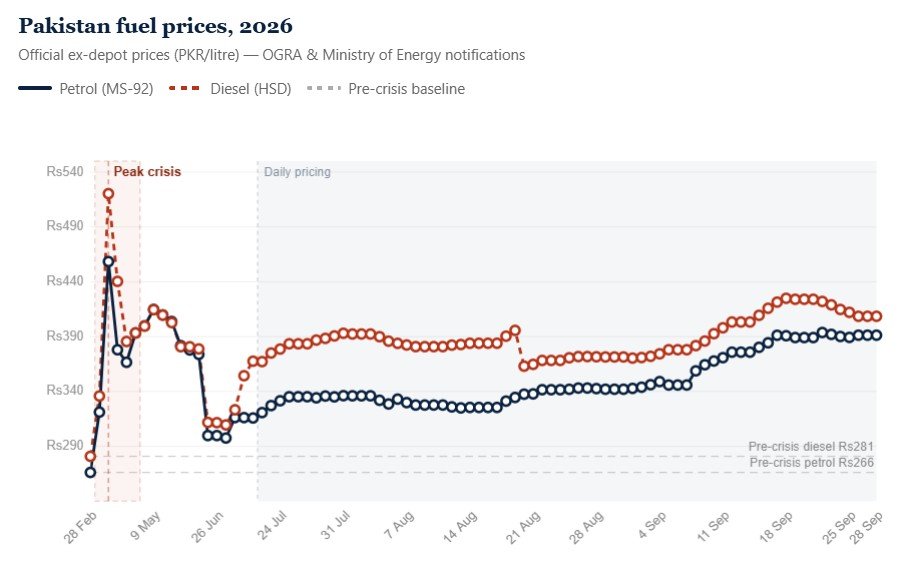
Another important contest involves an open seat in a competitive Nebraska district, where farmers and truckers are facing sharply higher fuel prices linked to the US war against Iran, according to the supplied report.
Democrats are also targeting two Republican-held seats in Pennsylvania and another in New Jersey.
Concerns Over Election Interference
Questions about potential interference by Trump could also shape the election campaign.
US elections are administered by individual states, but Trump has repeatedly alleged widespread electoral fraud since 2020 without providing evidence sufficient to substantiate those claims.
State election officials and congressional Democrats have been preparing for possible legal challenges to any attempts by the administration to intervene in the electoral process.
With control of Congress, the president’s political standing and the direction of national policy all at stake, the November 3 elections are expected to be a major test for both parties ahead of the 2028 presidential race.

