






























































































Asif, Tarar Target PTI After Government-Opposition Talks End in Deadlock

The minister accused PTI of using calls for consultations, jirgas and joint action as a delaying tactic.
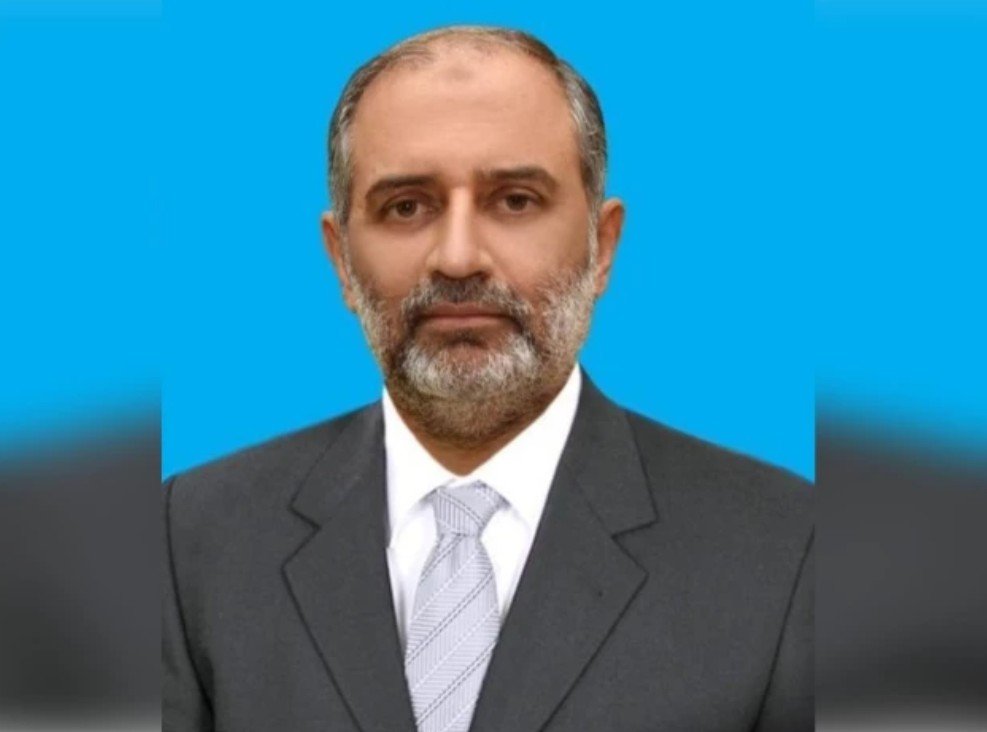
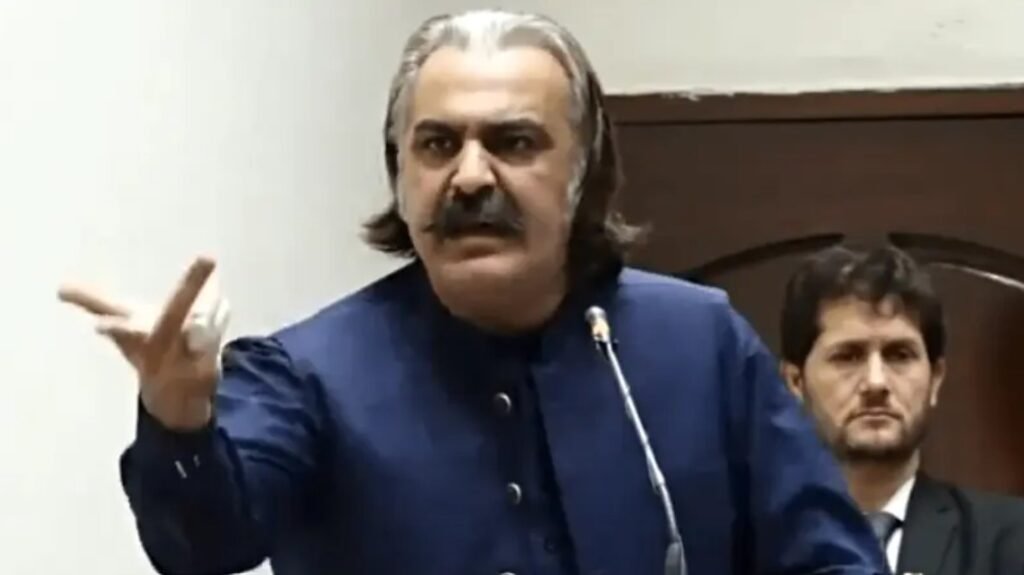
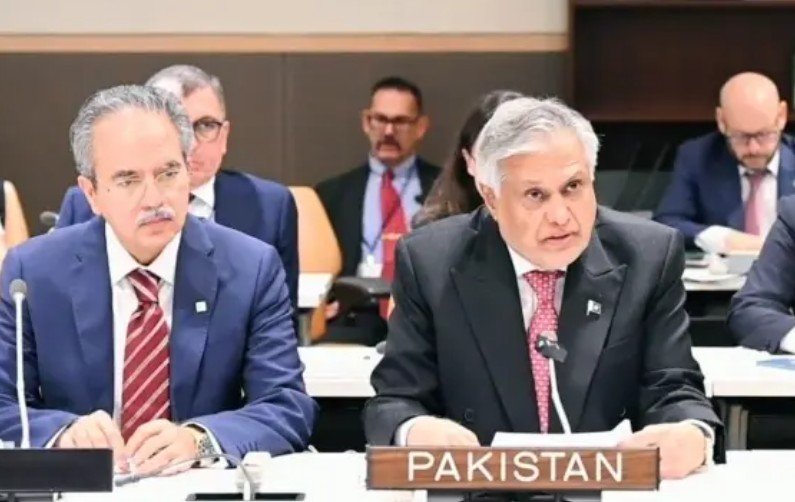
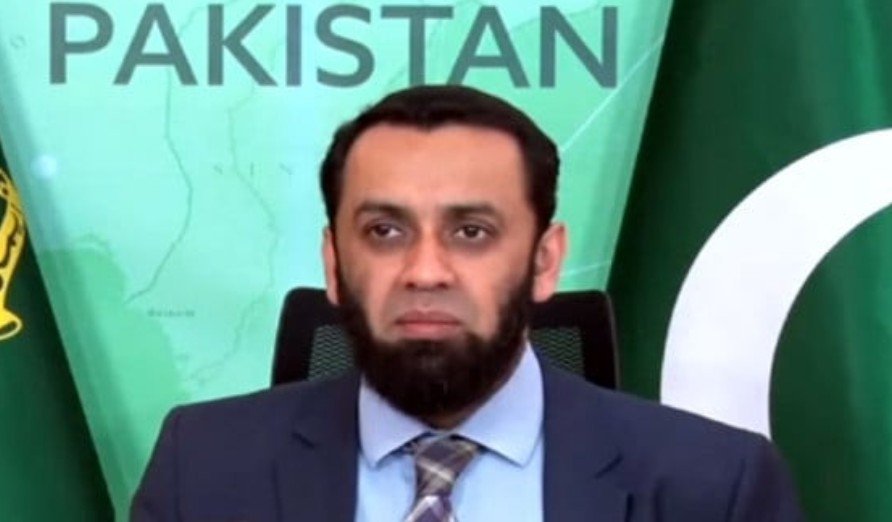
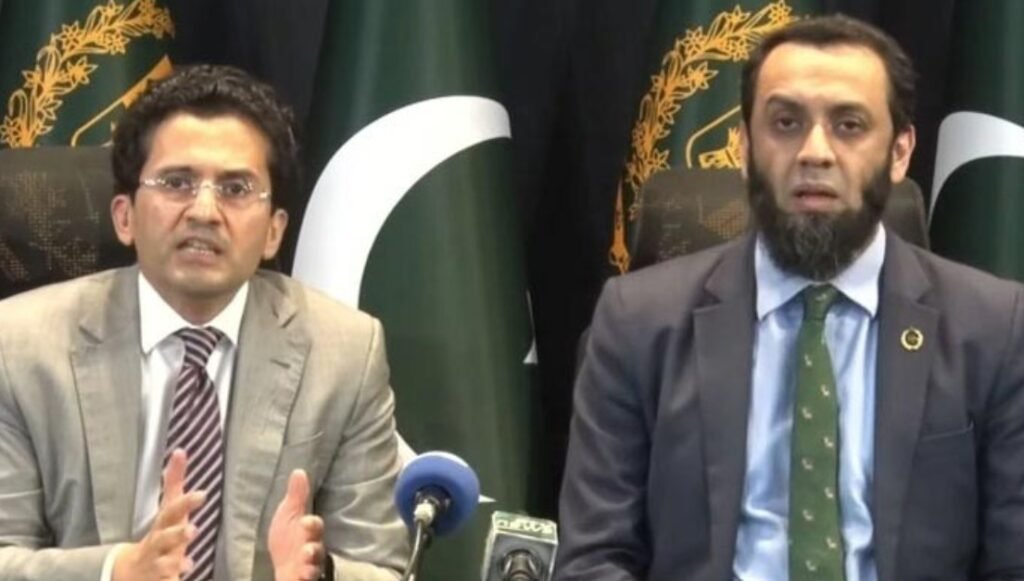
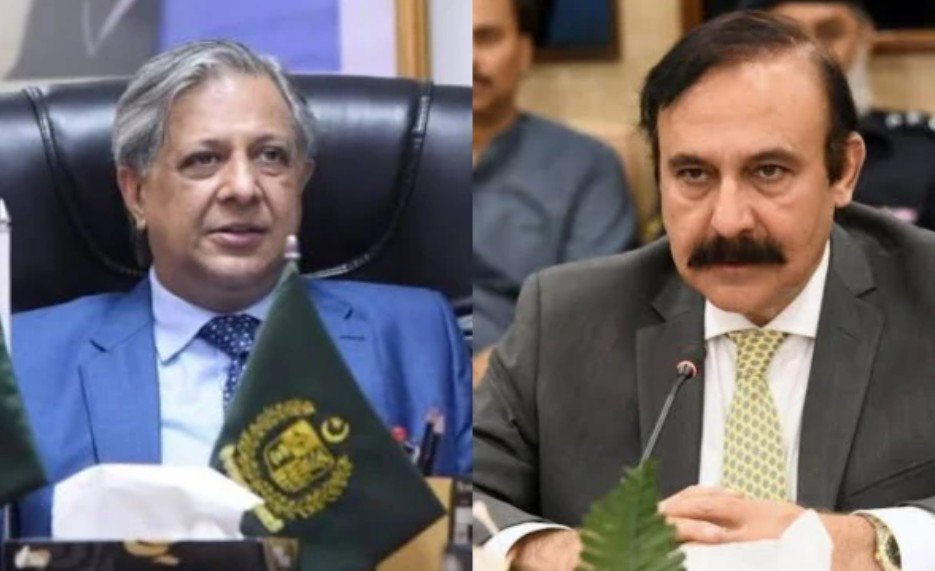
ISLAMABAD: Defence Minister Khawaja Asif and Information Minister Attaullah Tarar on Sunday criticised the Pakistan Tehreek-e-Insaf (PTI) following the failure of government-opposition talks, accusing the party of adopting contradictory positions on counter-terrorism efforts in Khyber-Pakhtunkhwa.
The statements came after marathon negotiations over PTI’s planned long march ended without an agreement in the early hours of Sunday.
The main dispute centred on counter-terrorism policy in K-P, with the government and opposition presenting different accounts of why the talks failed.
Tarar Accuses PTI of Double Standards
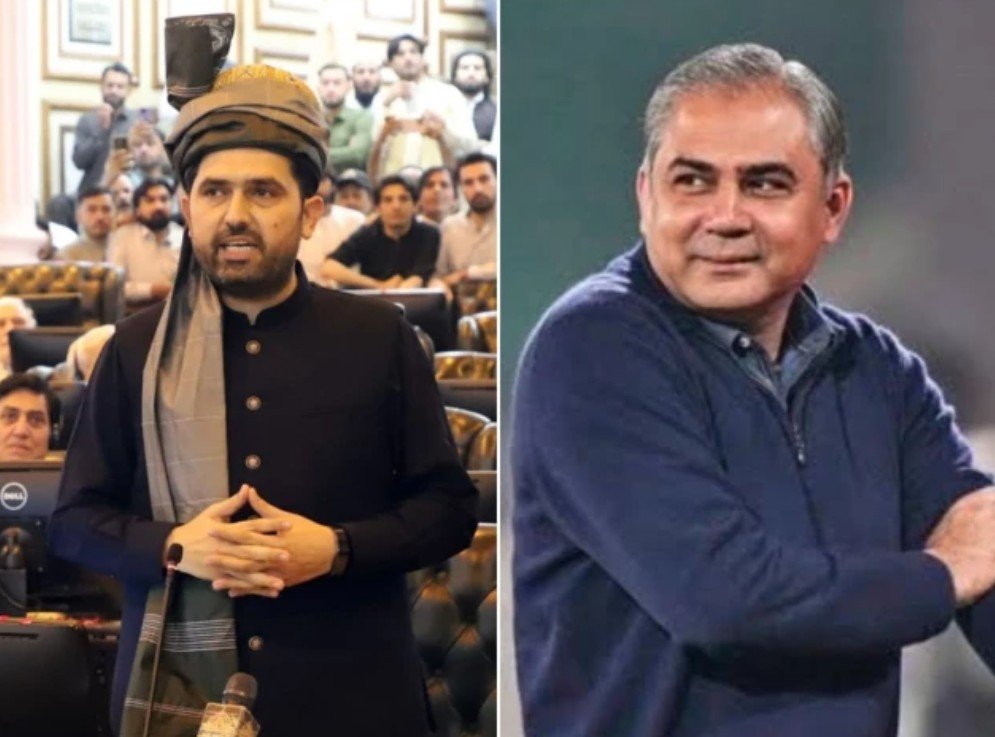
Responding to K-P Chief Minister Sohail Afridi’s position that counter-terrorism measures should be jointly formulated by the federal and provincial governments after consultation with political parties and other stakeholders, Tarar rejected the argument.
Tarar said PTI’s repeated calls for consultation had lost credibility, claiming that the federal government had already made proposals for cooperation but had not received a response.
He alleged that the K-P government had only recently started responding to federal calls for a joint mechanism against terrorism because of political pressure.
“Double standards and hypocrisy seem to be your policy,” Tarar said, while accusing the provincial government of pursuing a policy that he claimed encouraged the spread of terrorism.
The information minister also questioned the K-P government’s participation in federal Apex Committee meetings and asked why the province had not regularly convened its own meetings to review the security situation.
Questions Raised Over National Action Plan
Tarar questioned whether the K-P government had openly supported the armed forces and police personnel killed in the fight against terrorism.
He also criticised the provincial government over what he described as incomplete implementation of the National Action Plan (NAP), particularly measures concerning illegal activities, undocumented Afghan nationals and strengthening the police and Counter Terrorism Department.
Tarar further questioned the participation of PTI leaders in funerals of security personnel killed in terrorist attacks and their visits to police and security posts.
He also asked why the K-P leadership had not taken a more active role in addressing governance and development issues in the former tribal areas.
The minister accused PTI of using calls for consultations, jirgas and joint action as a delaying tactic.
He also blamed the provincial government for what he described as the worsening security and economic situation in K-P.
Khawaja Asif Accuses PTI of Supporting Militants
Defence Minister Khawaja Asif also criticised PTI leadership over its position on terrorism.
Asif questioned why PTI leaders spoke about civilian victims of terrorism but, according to him, did not visit the families of those killed in attacks.
He challenged PTI leaders to identify instances where they had visited the homes of civilian victims to offer condolences.
Asif also accused former prime minister and PTI founder Imran Khan of supporting the settlement of militants in K-P and alleged that the party’s record in the provincial assembly and media statements supported his claim.
The defence minister further accused successive PTI-led provincial governments of confronting the federal government after the party lost power at the Centre.
He also alleged that government resources were being misused and that militants were receiving financial benefits through extortion.
Asif challenged PTI leaders to debate the allegations with him on television.
Government Says K-P Backed Out of Security Commitments
Interior Minister Mohsin Naqvi had earlier accused the K-P government of withdrawing from security-related commitments during the final stage of negotiations.
According to Naqvi, the provincial government had agreed to submit a 72-hour implementation plan covering counter-terrorism measures, the National Action Plan, cooperation with the armed forces and other security-related issues.
He said the proposed commitments included reviewing the Police Act 2026, preventing terrorists from operating freely or establishing safe havens in the province, condemning the Tehreek-e-Taliban Pakistan (TTP) and other militant groups, supporting the national policy on Afghan refugees and increasing funding for counter-terrorism and police operations.
Naqvi also said the agreement would include stronger cooperation with the armed forces and implementation of the National Action Plan.
“Last night, during the final phase of negotiations, the K-P Government backed out of these commitments,” Naqvi said, adding that security should not be politicised.
PTI Disputes Government’s Account
PTI leader Salman Akram Raja rejected the government’s account of the negotiations.
Raja said the PTI-TTAP negotiating team had maintained that counter-terrorism measures in K-P should be agreed upon by the federal and provincial governments and supported by political parties represented in the provincial assembly.
He said anti-terrorism policies should have the support of the local population and be based on intelligence and conditions on the ground.
Raja also alleged that the government wanted the provincial government to take ownership of actions initiated unilaterally by the federal authorities, a position the PTI team rejected.
Imran Khan Meeting Remains Key Demand
The talks, chaired by National Assembly Speaker Ayaz Sadiq, were held over PTI’s planned long march and the party’s broader demands.
PTI had sought political dialogue, legal and medical rights for Imran Khan and Bushra Bibi, relief for prisoners and a jointly formulated strategy to address terrorism in K-P.
The opposition also maintained that a meeting with Imran Khan was necessary before the long march could be called off.
According to PTI representatives, the government also rejected an alternative proposal for Senate opposition leader Raja Nasir Abbas to meet the PTI founder.
With neither side agreeing on the key issues, the negotiations ended without a breakthrough.
PTI Proceeds With Long March
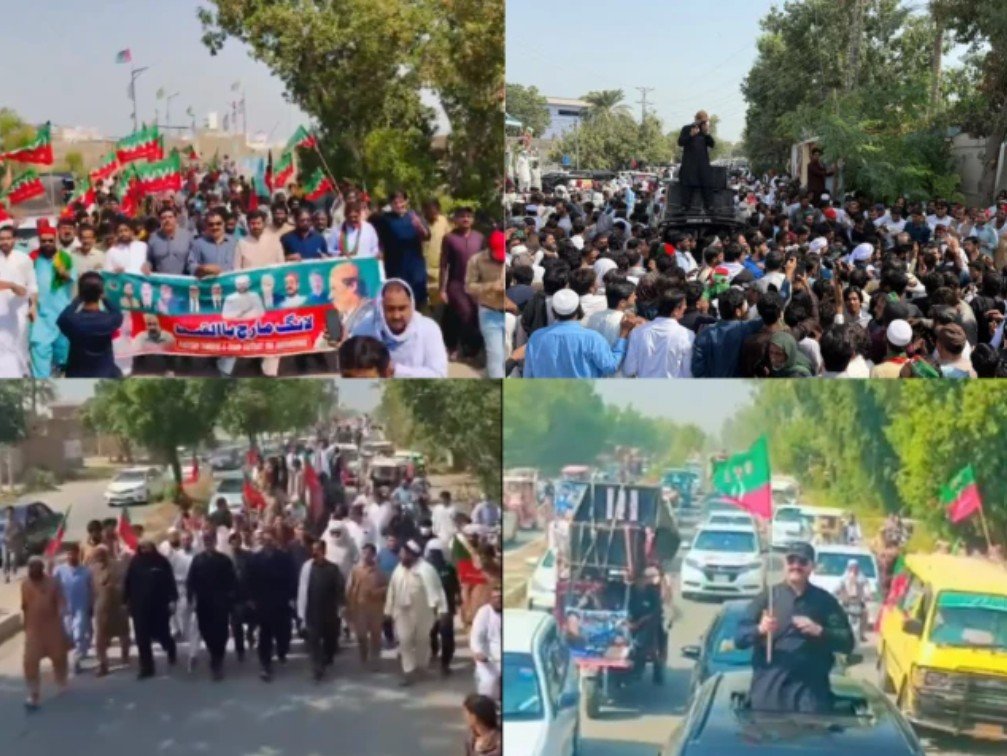
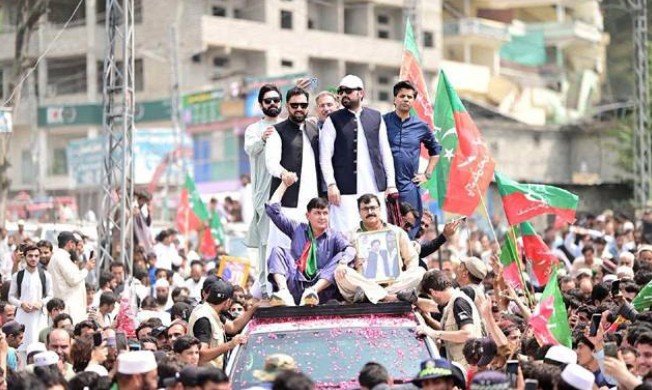
Following the failure of talks, PTI maintained that its long march would proceed.
K-P Chief Minister Sohail Afridi subsequently announced that the first phase of the march would begin from Lakki Marwat and move through several districts before reaching Khairabad.
The government-opposition standoff remains unresolved, with the dispute over counter-terrorism policy, political prisoners and access to Imran Khan continuing to dominate the negotiations.
The competing accounts from the government and opposition underline the widening political differences between Islamabad and the PTI-led K-P government as the long march gets underway.

