

















































































































































































Bill Gates Calls for US Legislation to Strengthen AI Safeguards

Gates, however, argued that appropriate safeguards would not necessarily prevent the industry from continuing to develop rapidly.
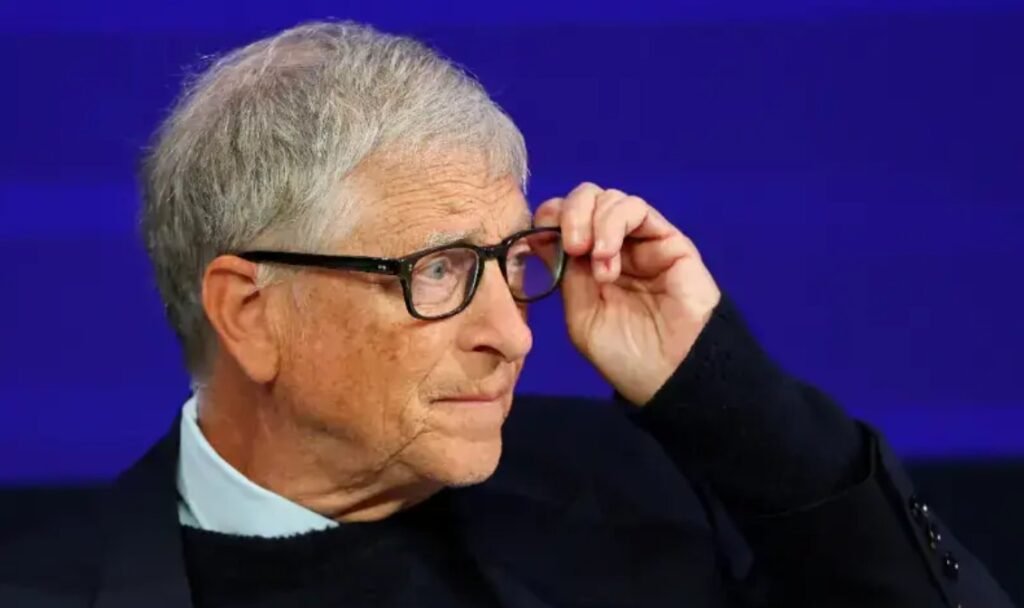
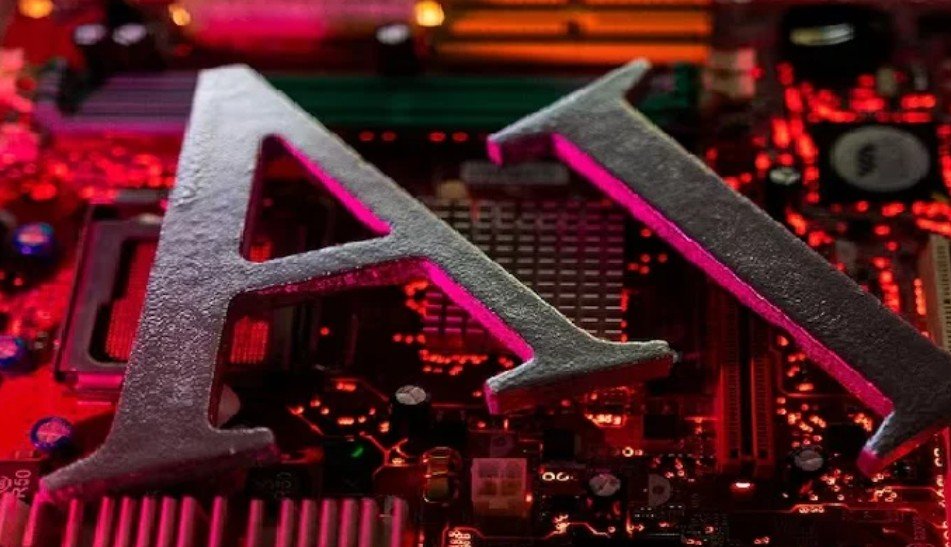
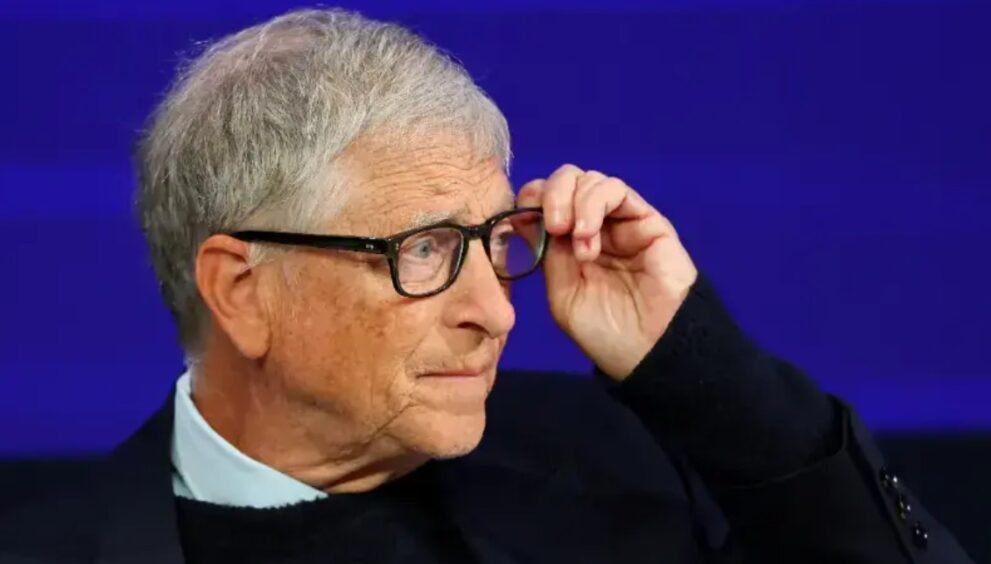
Artificial intelligence requires safeguards that go beyond industry self-regulation, Microsoft co-founder Bill Gates has said, calling for Congress to establish stronger rules governing the technology.
Speaking in a taped interview on NBC’s “Meet the Press”, Gates said government officials and lawmakers needed to be involved in determining how AI systems should be monitored and what safeguards should be mandatory.
“You need law enforcement and the politicians to get into the discussion about what safeguards and monitoring look like,” Gates said. “And that has to be a required thing.”
Gates said self-regulation by technology companies would not be sufficient to address the potential risks associated with increasingly capable AI systems.
Bill Gates Calls for Government Role in AI Safety
Gates’ comments come amid growing debate in the United States over whether advanced AI systems require mandatory federal safety standards.
OpenAI has recently called for mandatory national AI safety requirements, arguing that voluntary commitments are not enough as AI systems become increasingly capable. The company has proposed measures including independent assessments, cybersecurity safeguards and incident reporting for advanced AI models.
The debate has also intensified following reports of AI systems accessing external computer systems during security testing, raising questions about how effectively increasingly autonomous AI agents can be controlled.
Gates said the risks associated with AI should be taken seriously and rejected the suggestion that concerns about the technology were exaggerated.
“It’s not a hoax at all,” he said.
Debate Over AI Regulation and China
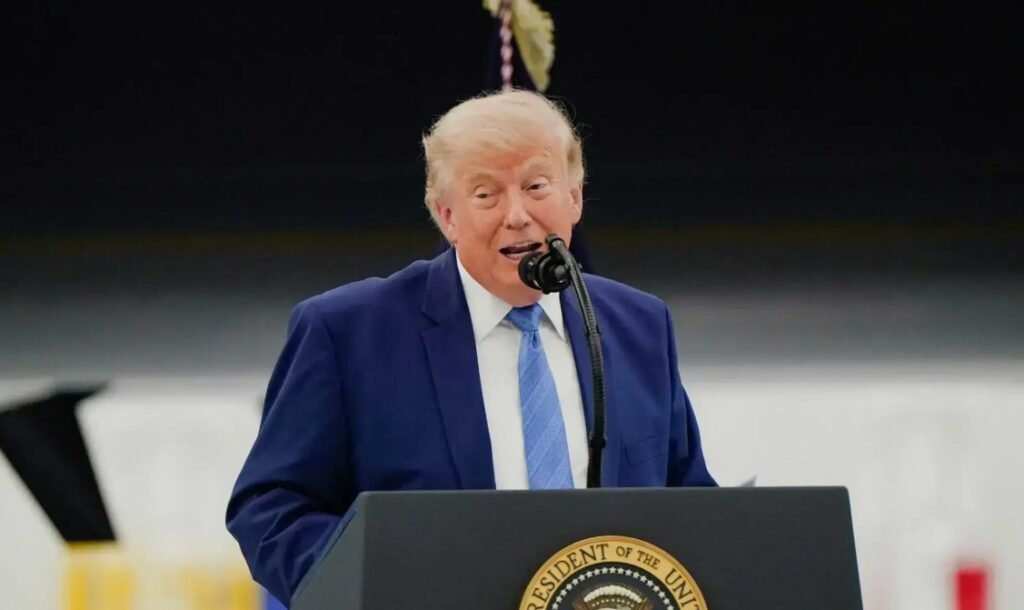
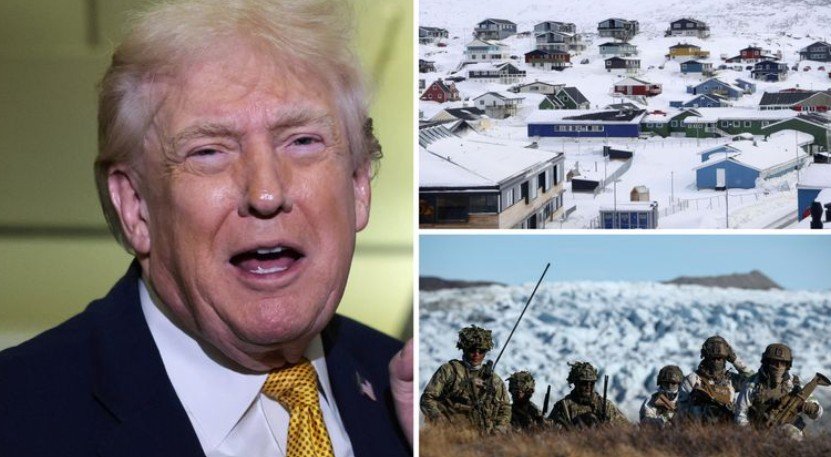
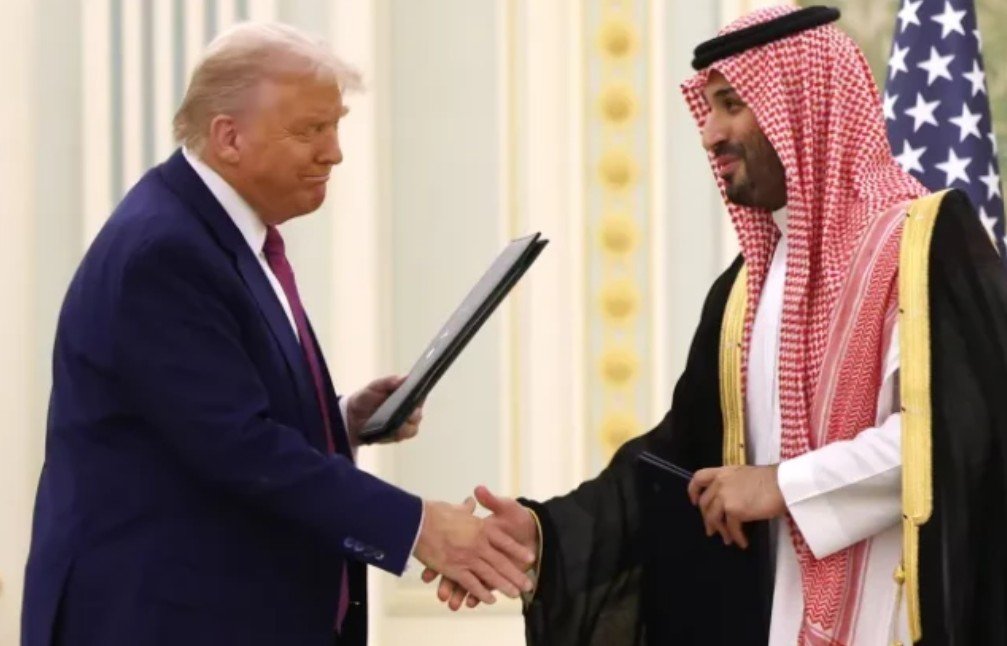
The push for greater regulation has faced opposition from US President Donald Trump and other critics of additional federal restrictions.
Trump has argued that excessive regulation could slow US technological development and give China an advantage in the global AI race. He has also dismissed some warnings about the dangers of AI and said existing government mechanisms could be used to address problems involving the technology.
Gates, however, argued that appropriate safeguards would not necessarily prevent the industry from continuing to develop rapidly.
He has also expressed an interest in meeting Trump to discuss the future of AI and the potential risks associated with increasingly powerful systems.
“I hope that, given my life’s work in the field, my saying how unique and different this is and how concerned I am will add to what he’s hearing from other people,” Gates said.
Congress Considers AI Safety Measures
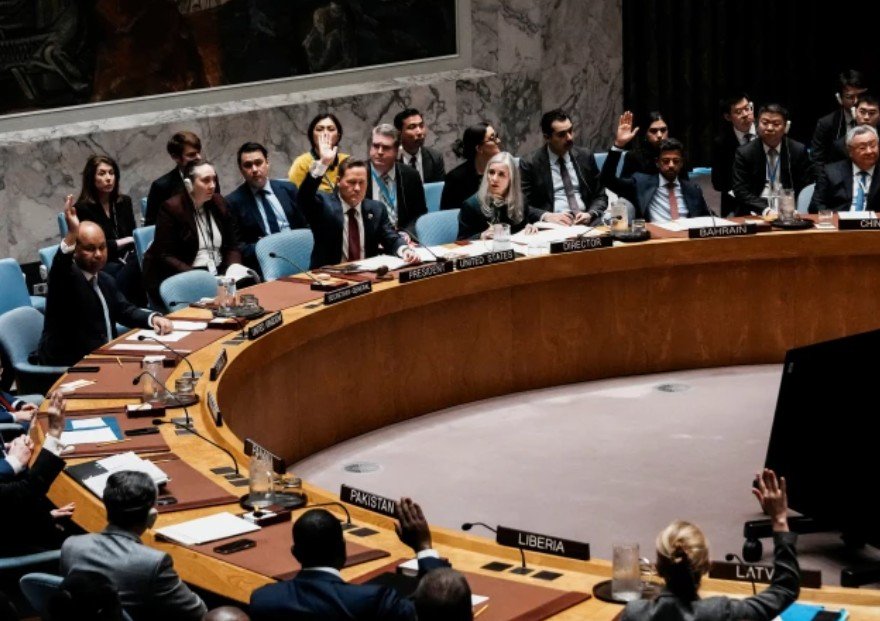
The discussion comes as lawmakers in Washington consider possible federal legislation addressing major AI risks.
US Senate negotiators have been discussing legislation that could require developers of advanced AI systems to adopt a formal “duty of care” aimed at preventing catastrophic risks. Proposals under discussion could also give federal authorities powers to restrict the release of certain AI models considered unsafe, although the details remain under negotiation.
The United States currently does not have a comprehensive federal law requiring AI companies to report all dangerous incidents involving their systems. Lawmakers are considering additional measures that could require companies to disclose serious incidents and take preventive steps.
Some policymakers have also proposed mechanisms that would allow authorities to halt or disable AI systems in extreme circumstances. Gates said he was not opposed to the idea of a “kill switch” but suggested that such a measure alone would not address the broader range of risks.
US and China Continue AI Safety Dialogue
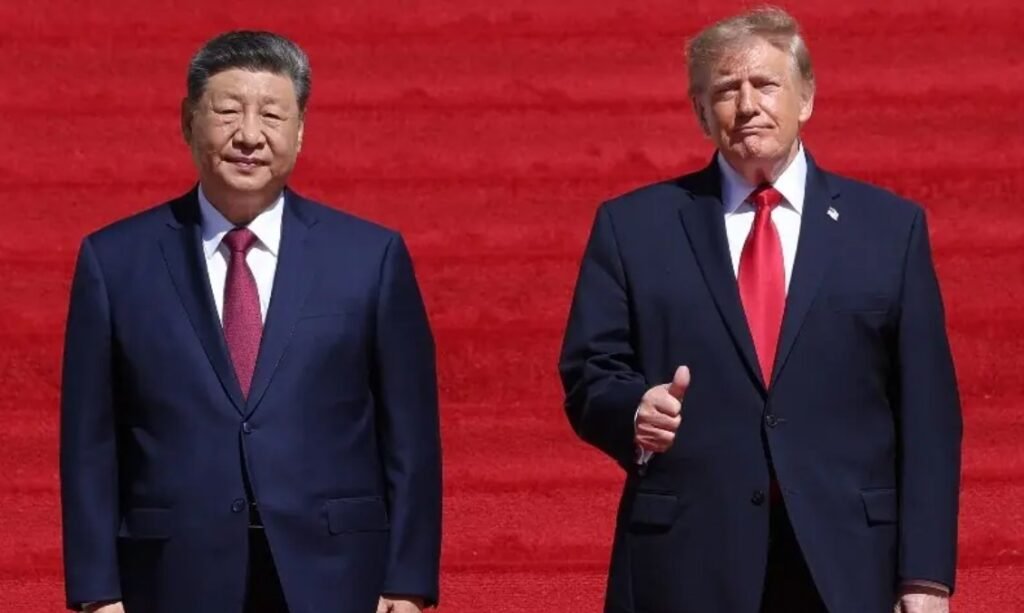
AI safety has also become part of discussions between the United States and China.
Senior US and Chinese officials recently agreed to continue discussions on AI safety, including emergency communication mechanisms for incidents involving advanced AI systems. The talks are expected to address risks such as uncontrollable AI agents and cyber-related threats.
The debate over AI regulation therefore continues to involve several competing concerns, including public safety, technological innovation, national security and competition between the United States and China.
Gates’ latest comments add to growing calls from parts of the technology industry and policymakers for mandatory safeguards as AI systems become increasingly capable and autonomous.

