



































































































































World leaders gather at UN as Middle East, Ukraine and AI dominate agenda

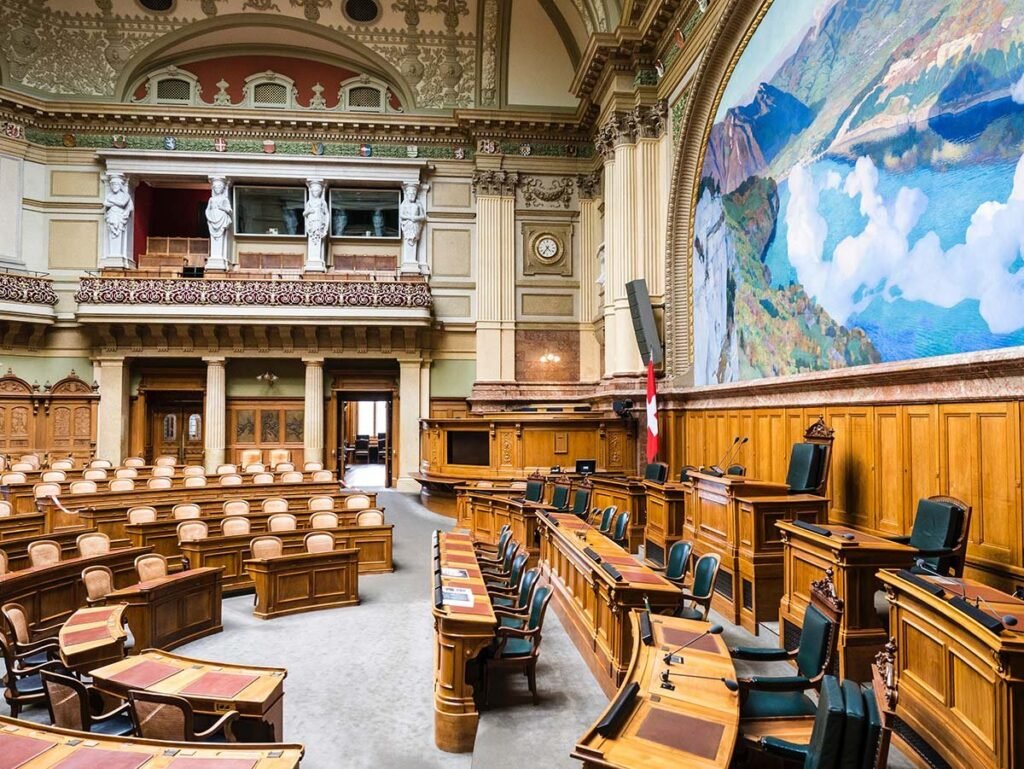
Artificial intelligence is expected to be one of the major topics at this year’s General Assembly.
NEW YORK: World leaders are gathering in New York for the United Nations General Assembly, with conflicts in the Middle East and Ukraine, along with the growing risks of artificial intelligence, expected to dominate discussions.
Nearly 130 heads of state are expected to attend the high-level gathering as the international system faces growing challenges and the United Nations comes under financial and political pressure.
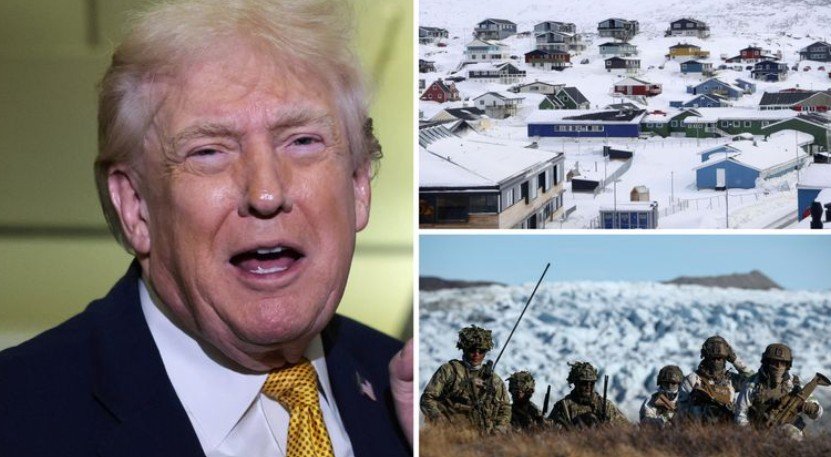
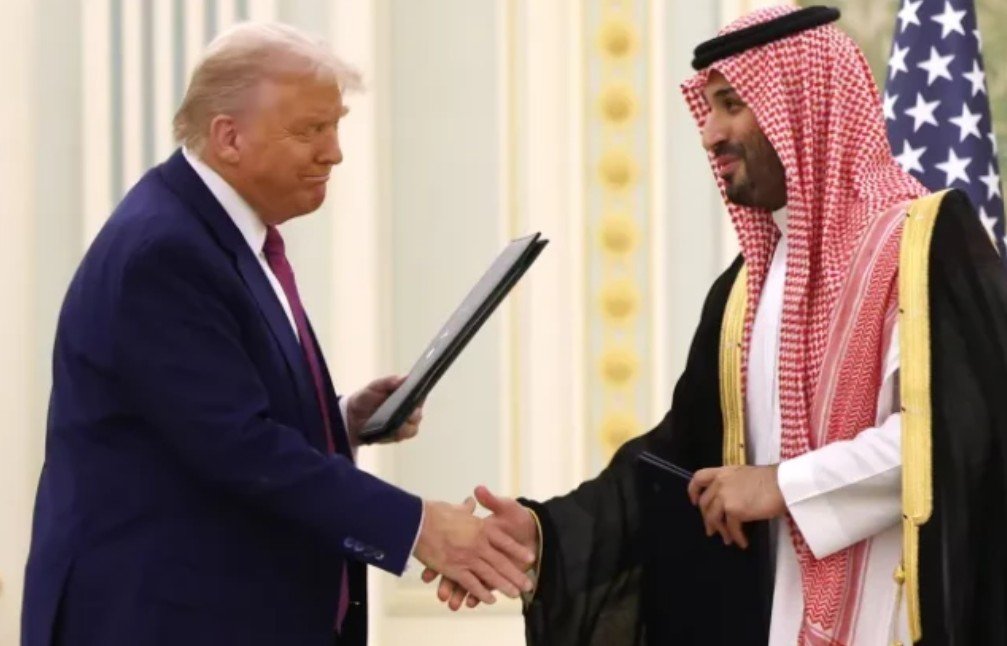
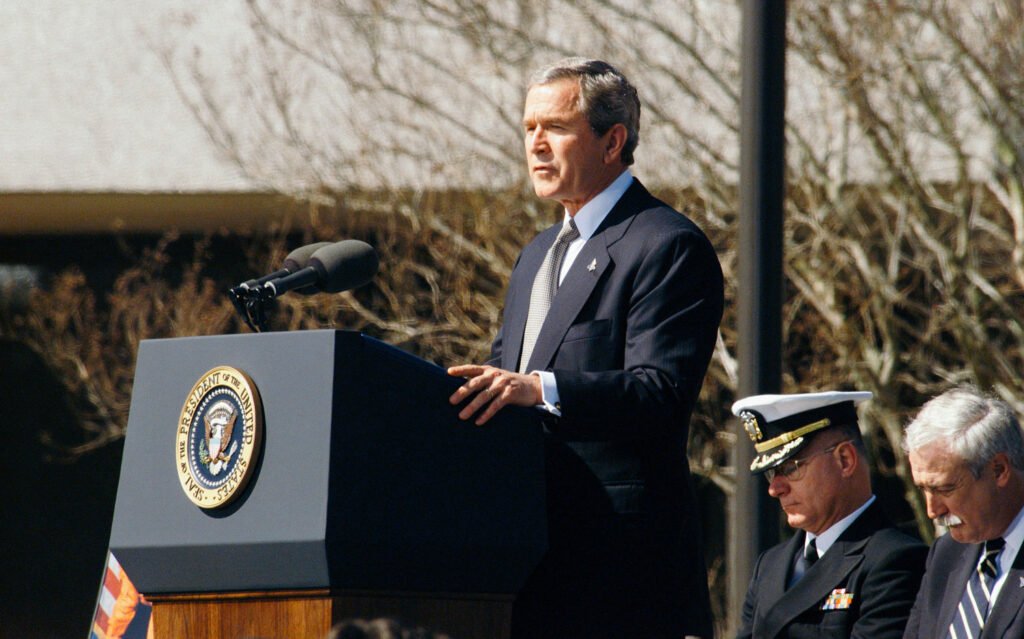
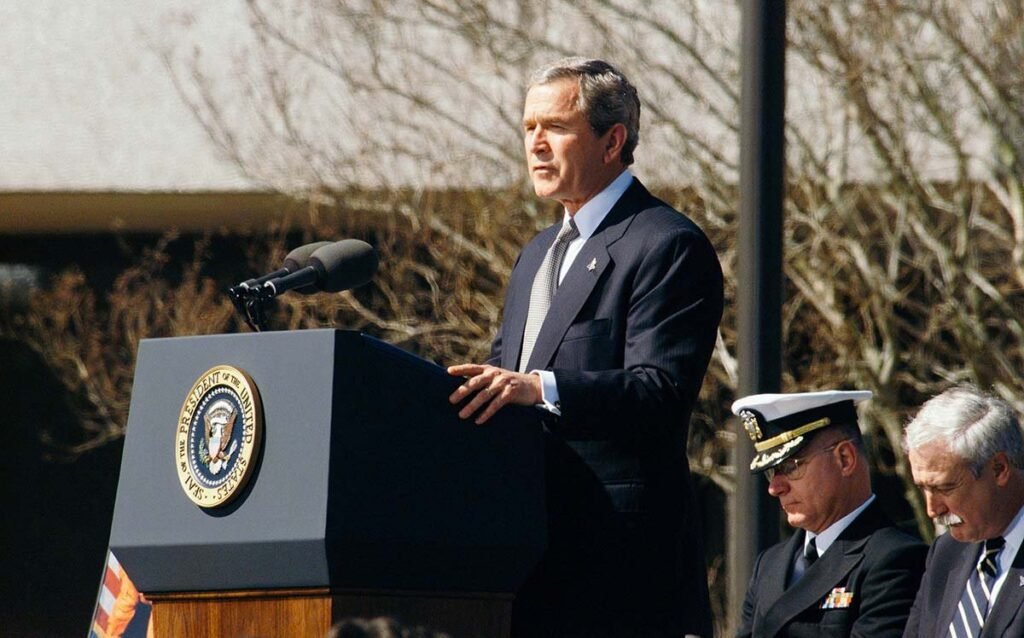
US President Donald Trump is set to address the UN General Assembly for the second consecutive year. His administration has reduced US contributions to the United Nations and withdrawn from several UN-related organisations.
Chinese President Xi Jinping will not attend the gathering in person. Instead, he is expected to hold talks with Trump in Washington later this week.
The future leadership of the United Nations is also expected to be discussed. Secretary-General Antonio Guterres is due to complete his term at the end of 2026, while the process to select his successor remains underway.
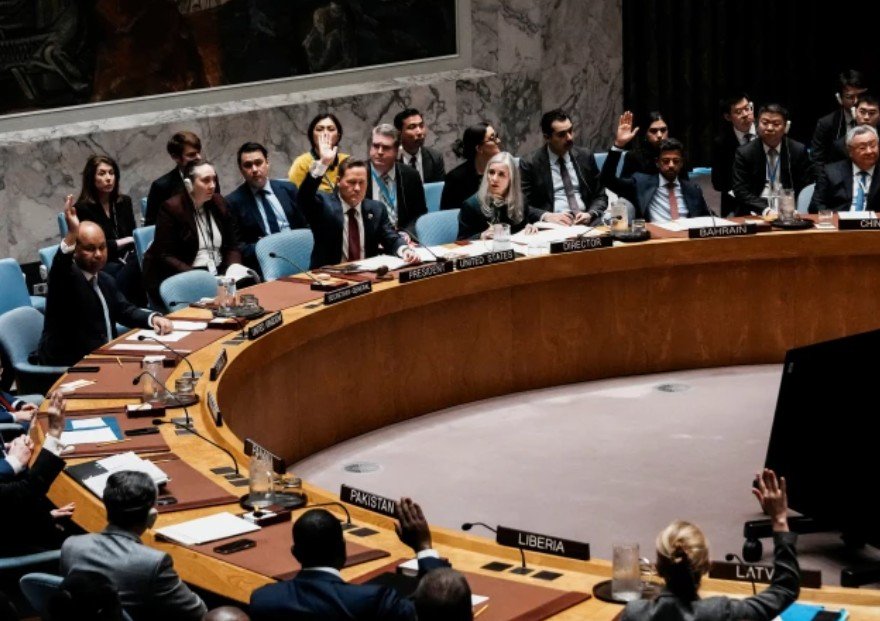
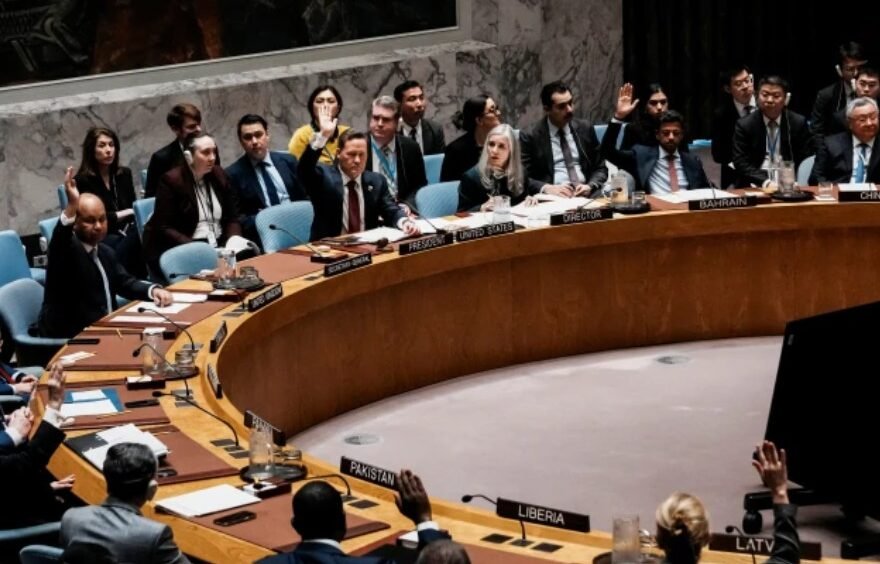
The 15-member UN Security Council is also expected to hold high-level discussions on Ukraine, artificial intelligence and the Middle East.
AI risks become major UN issue
Artificial intelligence is expected to be one of the major topics at this year’s General Assembly.
UN Secretary-General Antonio Guterres has called for international rules and safeguards for AI, warning that countries need common standards to prevent uncontrolled competition in the development of the technology.
The UN established an advisory body on artificial intelligence in 2023, bringing together technology experts, government officials and academics.
Trump has taken a different position on concerns about AI risks and has rejected warnings that the technology could pose serious threats.
Middle East crisis remains key focus
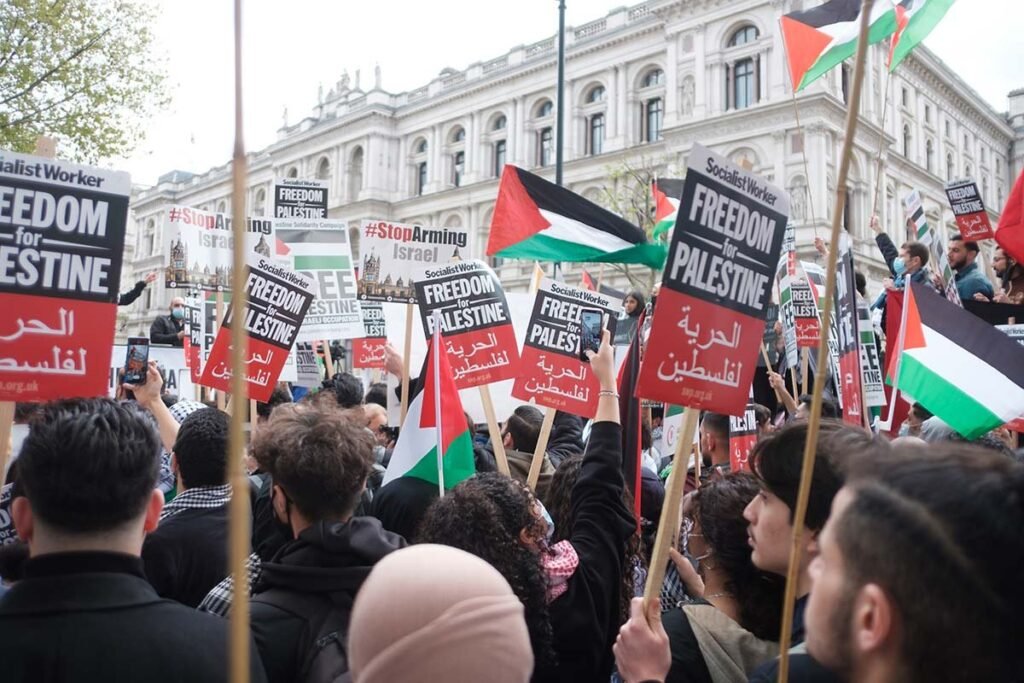
The Middle East is expected to remain one of the main issues at the General Assembly as fighting and tensions continue to affect regional stability, shipping and energy markets.
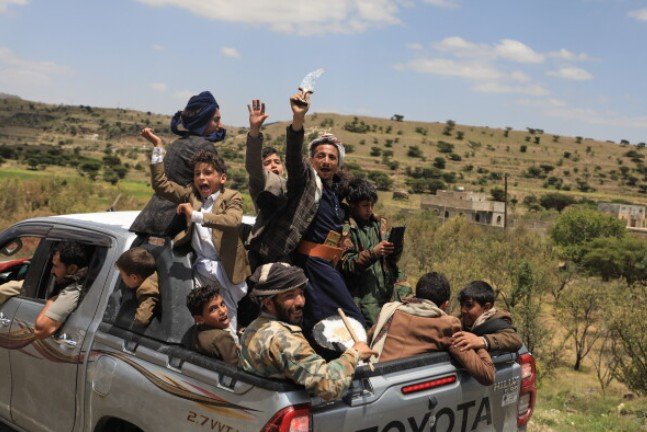
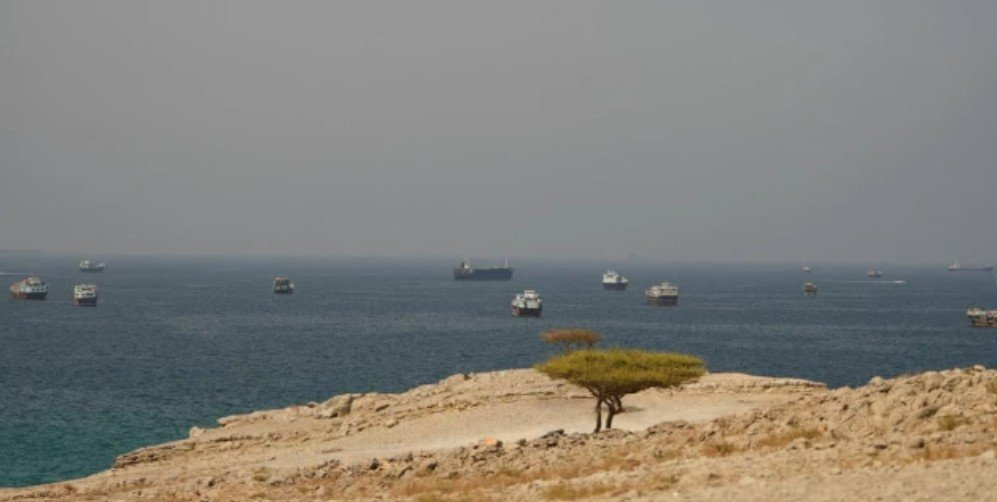
UN officials have also expressed concern about the situation in Yemen and the threat to shipping through the Bab el-Mandeb Strait.
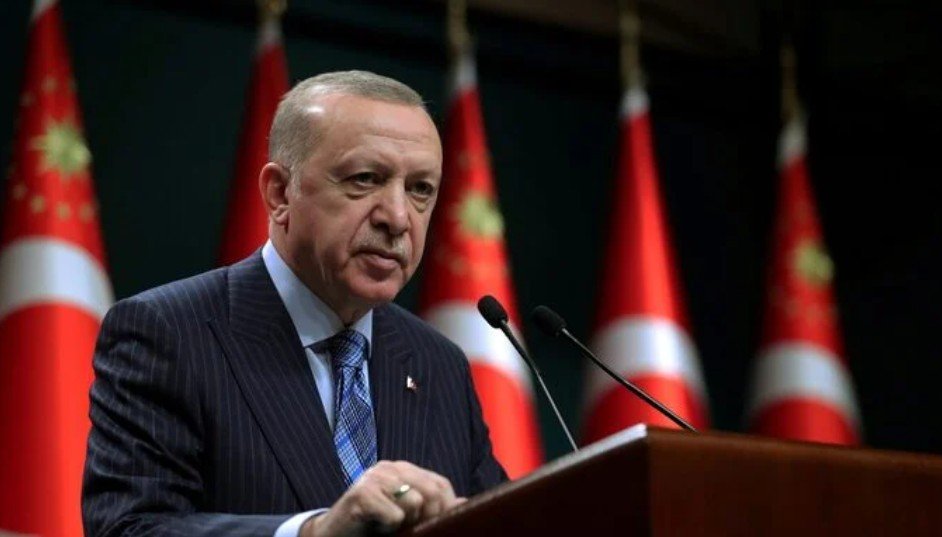
Iranian President Masoud Pezeshkian is scheduled to address the General Assembly, while Israeli Prime Minister Benjamin Netanyahu is also expected to speak.
Palestinian President Mahmoud Abbas will not attend the meeting in person. The General Assembly has allowed him to address the gathering through a video appearance.
The conflict in Sudan is also expected to be discussed during a high-level meeting on the sidelines of the UN gathering.
Ukraine war also on agenda
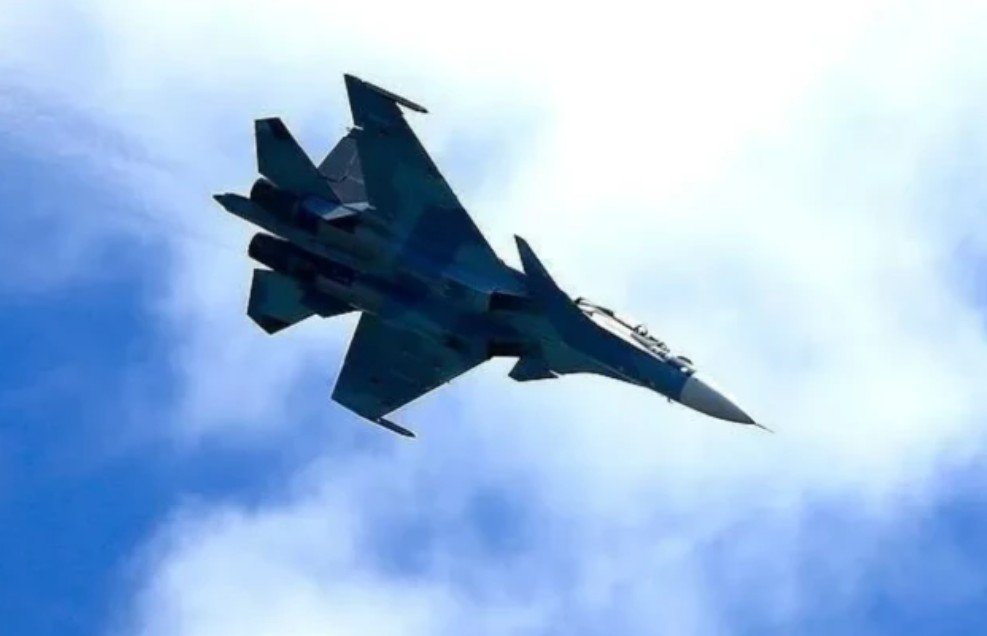
Russia’s war in Ukraine, now in its fifth year, will also be a major issue at the UN.
Ukrainian President Volodymyr Zelenskyy and Russian Foreign Minister Sergei Lavrov are scheduled to address the General Assembly.
Ukraine is expected to seek continued international support as it prepares for another difficult winter.
The UN Security Council has been unable to take decisive action to end the conflict because Russia, a permanent member of the council, has veto power.
Guterres has also highlighted the impact of the war on civilians, food security and energy prices.
He has called for safe arrangements to allow Ukrainian and Russian food, fertiliser and energy exports to move through the Black Sea.
The General Assembly comes at a time when the UN is facing pressure over its finances, global conflicts and questions about its ability to respond effectively to major international crises.

