























































































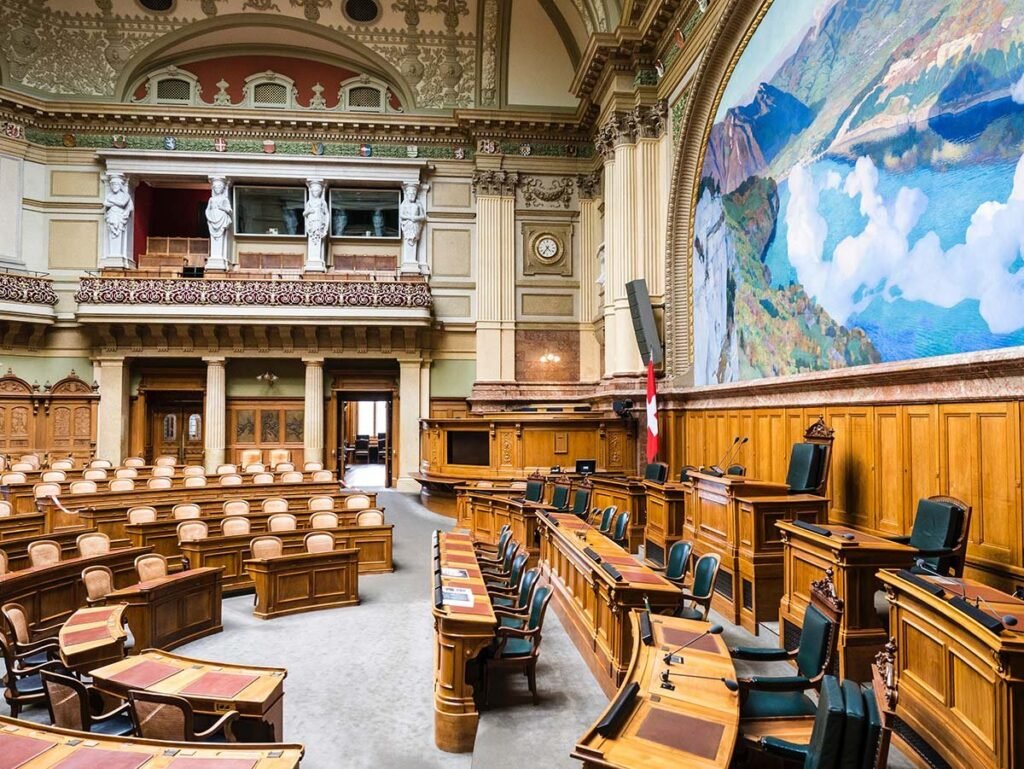
MDCAT 2026 Concludes Across Pakistan With Over 138,000 Candidates

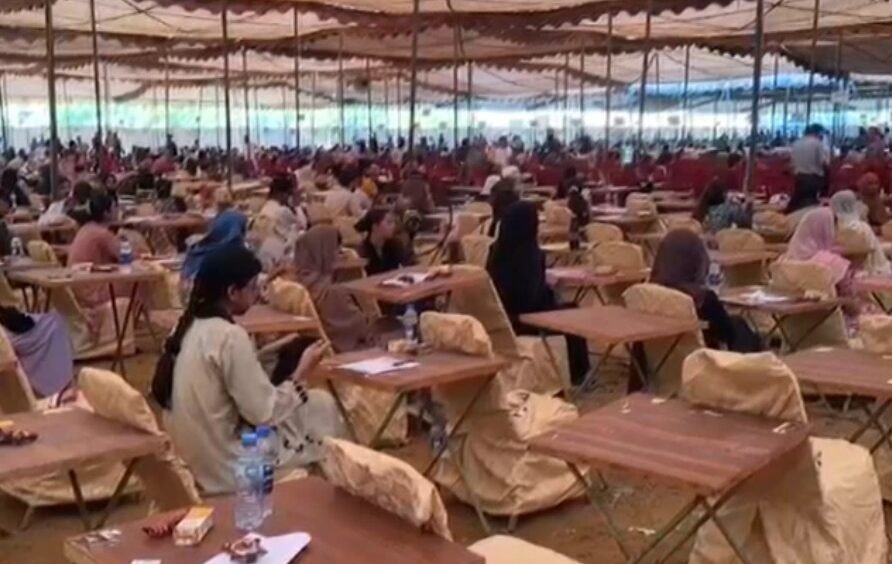
Special examination centres were also established in Islamabad for candidates from Azad Jammu and Kashmir (AJK).
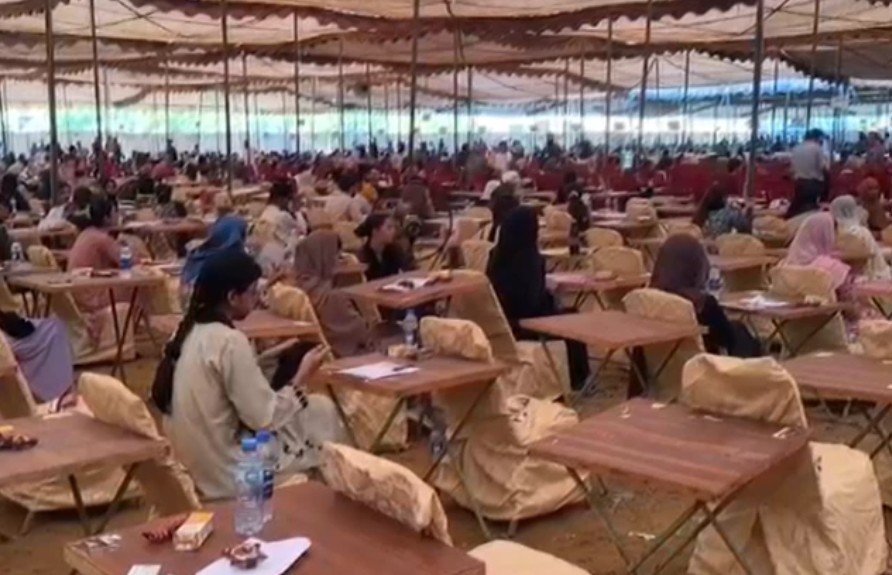
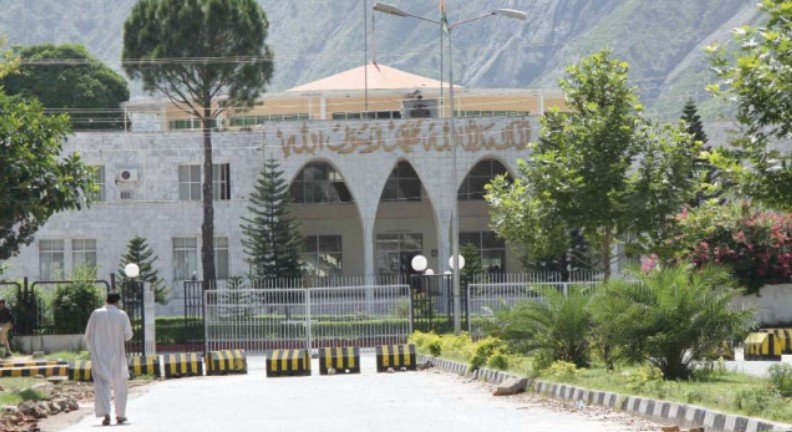
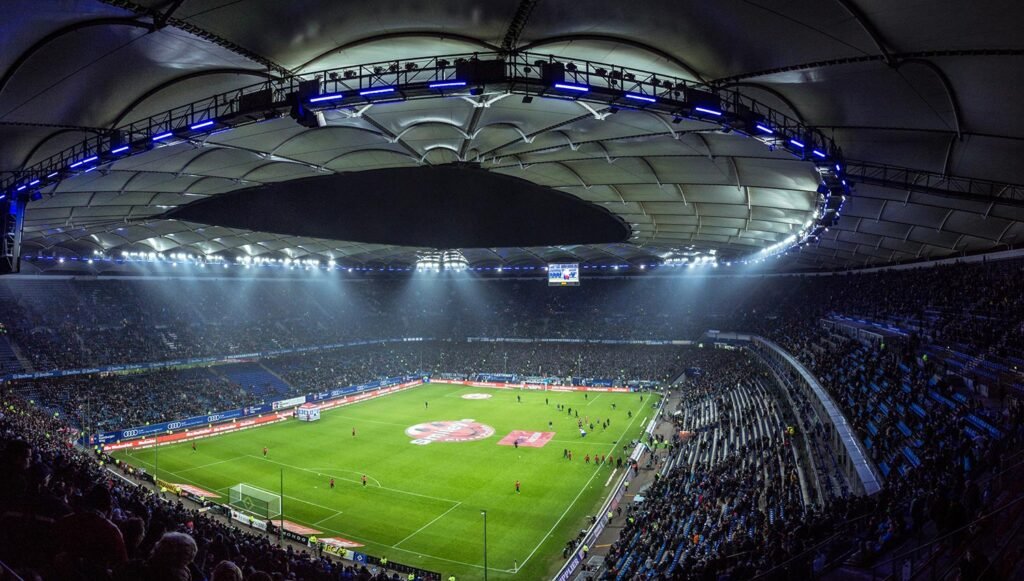
PESHAWAR/KARACHI: The Medical and Dental College Admission Test (MDCAT) 2026 concluded across Pakistan on Sunday, with more than 138,000 candidates registered for admission to medical and dental colleges.
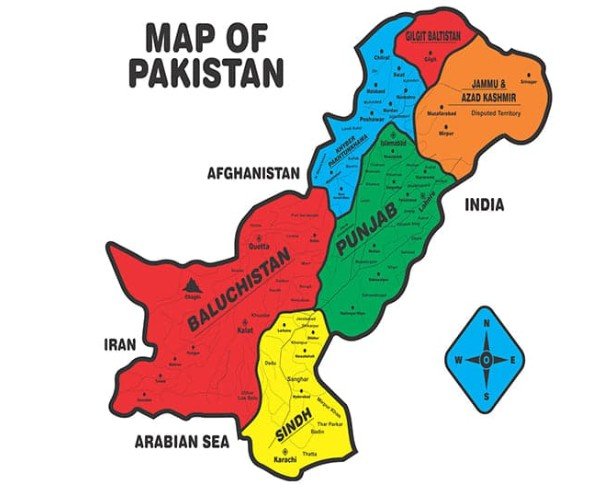
According to the Pakistan Medical and Dental Council (PMDC), 138,160 candidates registered for this year’s examination across 34 cities and towns, as well as an international examination centre in Riyadh, Saudi Arabia.
The test started at 10am and continued for three hours. Candidates were required to report at their examination centres early in the morning.
PMDC President Professor Dr Rizwan Taj visited examination centres to review facilities and arrangements. He expressed satisfaction with the arrangements and said all possible facilities had been provided to candidates.
Special examination centres were also established in Islamabad for candidates from Azad Jammu and Kashmir (AJK).
The PMDC said a post-examination analysis would be carried out to review the overall conduct of MDCAT 2026.
Punjab has highest number of candidates
Punjab recorded the highest number of registered candidates, with 49,199 students.
Other registration figures included:
- Balochistan: 9,923
- AJK: 2,761
- Gilgit-Baltistan: 1,721
- Islamabad: 1,245
- Riyadh: 237
Nearly 39,000 candidates appear in K-P
Khyber Medical University (KMU) said 38,845 candidates appeared for MDCAT 2026 at 59 examination centres in nine cities across Khyber-Pakhtunkhwa.
The candidates included 18,107 male and 20,738 female students.
KMU said the examination was conducted simultaneously at all centres in a peaceful and orderly environment.
Police, district administration, traffic police and rescue services were deployed to ensure security and provide assistance to candidates.
Air-conditioned examination halls, medical facilities and emergency response arrangements were also provided.
K-P Chief Secretary Shahab Ali Shah visited several examination centres and reviewed the arrangements. Provincial Health Minister Khaliqur Rehman, Peshawar Commissioner and KMU Vice Chancellor Professor Dr Rubina Nazli also visited different centres.
KMU said candidates would be able to check their results through its online portal within 36 hours.
Peshawar records highest attendance
Peshawar had the highest number of candidates in K-P, with 16,722 students appearing at 19 centres.
A further 5,459 candidates appeared at 10 centres in Mardan, while 4,937 candidates took the test at 11 centres in Swat.
In Lower Dir, four centres were established for 2,795 candidates, while 2,374 candidates appeared at three centres in Dera Ismail Khan.
Kohat had 1,560 candidates at two examination centres.
Nine centres were established across Mansehra, Haripur and Abbottabad, where 4,997 candidates appeared for the test.
Over 34,000 candidates registered in Sindh
In Sindh, the examination was conducted through the Sukkur IBA Testing Service, with more than 34,000 candidates registered across the province.
Examination centres were established in Karachi, Hyderabad, Jamshoro, Larkana, Sukkur, Mirpurkhas, Shaheed Benazirabad and Islamabad.
Two major centres were established in Karachi at NED University and Dow University’s Ojha Campus.
Around 11,000 candidates were expected at the two Karachi centres, including about 6,000 at NED University and 4,964 at Dow University’s Ojha Campus.
Large crowds of candidates and parents gathered outside NED University in the morning, while traffic pressure increased around the university and University Road.
Police and Rangers personnel were deployed around the examination centres.
Tight security for question papers
The MDCAT question papers were transported to examination centres under strict security arrangements.
According to the Sukkur IBA administration, vehicles carrying the papers were equipped with CCTV cameras, while drivers were not informed about their routes.
A monitoring room was also established to oversee the examination process.
Officials said the test was being conducted transparently, particularly in view of a reported MDCAT paper leak in 2024.
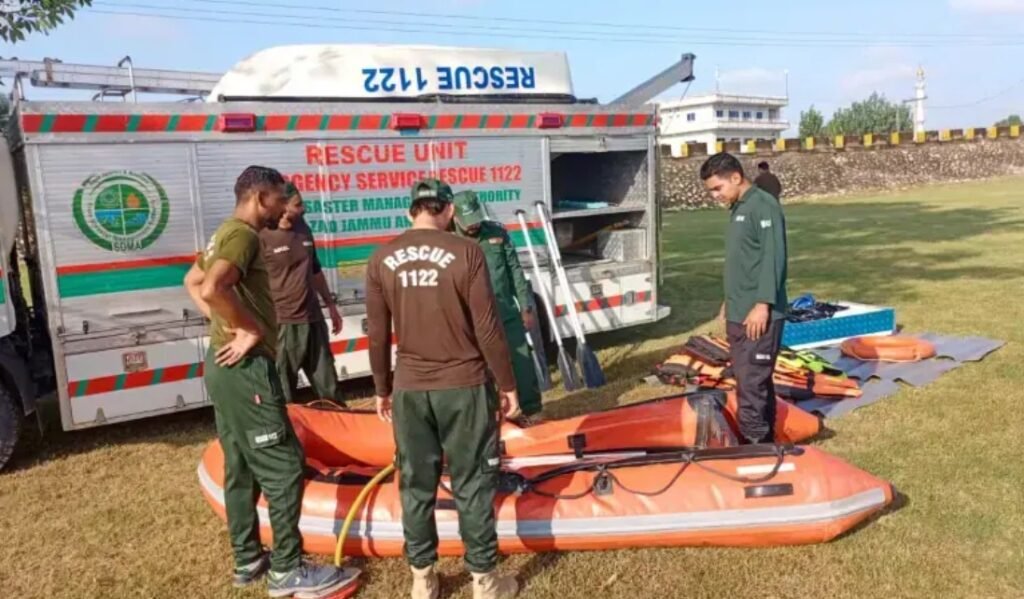
In Rawalpindi, Rescue 1122 teams were deployed at three examination centres. Emergency cover began at 6:30am, and no medical emergency was reported during the examination.
Juvenile card requirement removed
The PMDC said candidates were not required to produce a juvenile card for MDCAT 2026.
Candidates were allowed to sit the examination without the card, while their original mark sheets were checked for identification.
Candidates were also not allowed to leave the examination centre before the test ended and were required to remain seated until the examination was completed.
They had to hand over their question papers to invigilators before leaving the centre. Officials said failure to return the question paper could result in cancellation of the candidate’s result.
Mobile phones and other digital devices were prohibited inside examination centres.
Separate waiting areas were also arranged for candidates and their parents. Medical units, Rescue 1122 and fire brigade teams were deployed at examination centres.
8,000-question bank prepared
The PMDC said a question bank containing around 8,000 questions was prepared for MDCAT 2026.
Experts from around 80 subjects were involved in preparing the question bank.
Separate question papers were prepared for each province, with at least two different papers for every province.
Each question paper contained 180 questions.
The relevant universities may retain the question papers after the examination under the prescribed test arrangements.

