






































































































































































How Did the Houthis Become Able to Attack Riyadh?

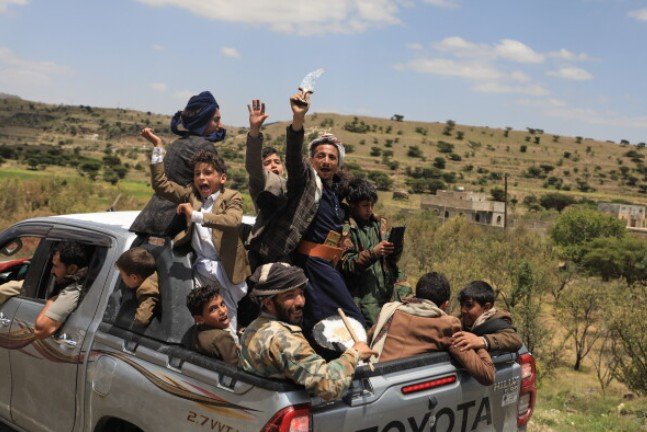
The latest attacks show how far the group has evolved from the relatively small mountain-based movement it once was.
By Editor
For many people watching the latest Middle East escalation, one question stands out: How did Yemen’s Houthis become capable of launching missiles and drones toward Riyadh, one of the region’s most important capitals?
The answer is not the result of a single development. The Houthi movement has spent more than a decade building military capabilities through war, territorial expansion, access to weapons technology, local production and support from Iran.
The latest attacks show how far the group has evolved from the relatively small mountain-based movement it once was.
From a Yemeni Movement to a Powerful Armed Group
The Houthis emerged in northern Yemen in the 1990s as a Zaydi Shiite revival movement. The group fought several rounds of conflict with the Yemeni government before Yemen’s political system began to collapse following the 2011 uprising.
In 2014, the Houthis seized Sanaa and expanded their control over large parts of northern Yemen. They also gained access to weapons and military equipment previously held by Yemen’s armed forces.
That changed the group’s military potential significantly.
Saudi Arabia intervened militarily in Yemen in 2015 in support of the internationally recognised Yemeni government. The conflict then developed into a long-running war in which the Houthis gradually improved their ability to fight a technologically superior opponent.
Iran’s Role
Iranian support is one of the most important factors behind the Houthis’ growing missile and drone capabilities.
International analysts have documented Iranian assistance to the Houthis involving weapons, components, training and technical expertise. The group has used systems that resemble Iranian-designed missiles and drones, while also developing local variants.
The relationship does not mean that Tehran simply directs every Houthi operation. The Houthis have their own political and military objectives. However, Iranian technology and expertise have helped the group increase the range and sophistication of its weapons.
Recent reporting indicates that Houthi specialists have also developed greater capacity to assemble weapons locally using smuggled components.
Missiles Changed the Equation
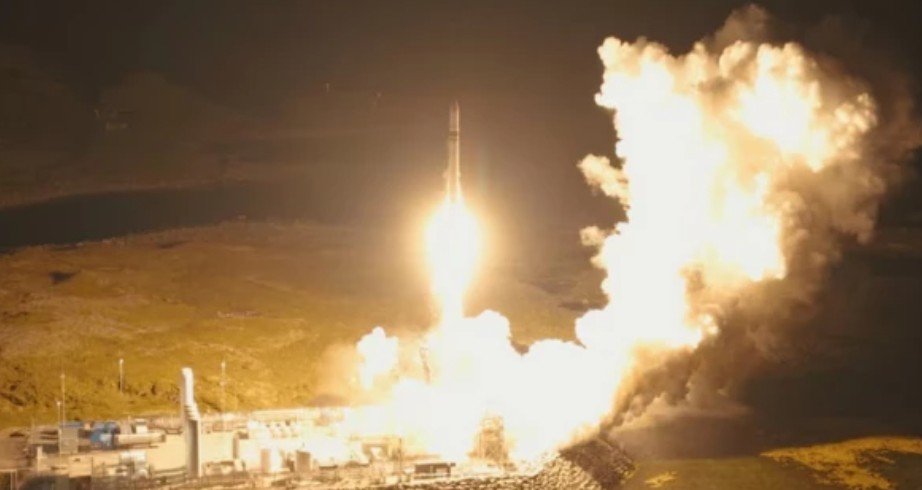
The most important change has been the development of long-range missiles.
The Houthis inherited older Yemeni missiles but gradually moved toward more sophisticated ballistic and cruise missile systems. Their weapons have been used against targets inside Saudi Arabia and, in recent years, against targets much farther away.
Reuters reported this month that Houthi ballistic missiles have reached Israel, more than 1,000 miles away, demonstrating the group’s ability to conduct long-range strikes.
This is significant because Riyadh is hundreds of kilometres from the Yemeni border. The Houthis do not need to control large parts of Saudi Arabia to threaten the capital. They need long-range weapons, launch capability and enough intelligence to identify potential targets.
Drones Provide Another Option
Missiles are only one part of the Houthi arsenal.
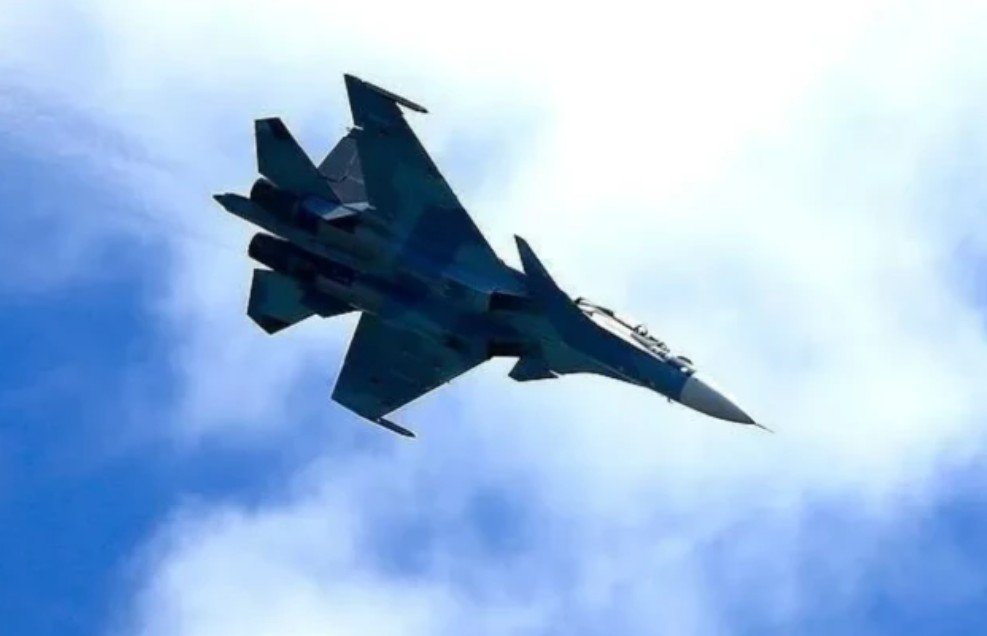
The group has developed and used long-range attack drones, including the Samad family, which can travel significant distances while carrying explosives.
Drones also create a different challenge for air-defence systems. They can be relatively inexpensive compared with the sophisticated systems used to intercept them.
According to analysis published by The National, the Houthis have developed the ability to assemble some drones using smuggled components and have expanded their missile and drone production capabilities inside Yemen.
This creates an important military advantage: a relatively low-cost drone can force an opponent to use a much more expensive interceptor.
Years of War Gave the Houthis Experience
Technology alone does not explain the Houthi capability.
The group has fought for years against Saudi Arabia, the United States, the internationally recognised Yemeni government and other forces.
That experience has allowed Houthi forces to develop launch techniques, battlefield tactics, intelligence networks and methods for operating under sustained air attack.
US and allied strikes have targeted Houthi weapons facilities and military infrastructure, but the group has continued rebuilding and adapting its capabilities.
The result is a force that has learned how to survive despite possessing far fewer conventional military resources than Saudi Arabia.
Geography Also Matters
Geography has played an important role.
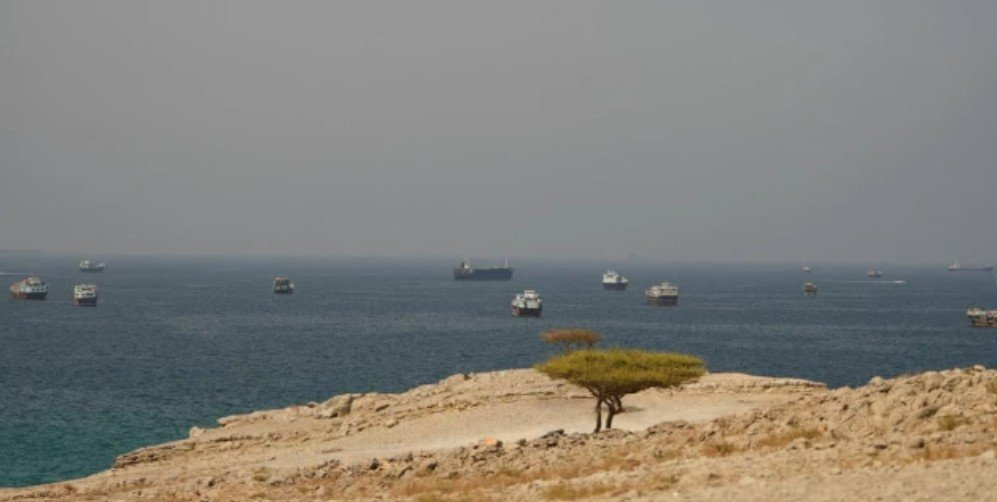
The Houthis control large parts of northern Yemen as well as much of the country’s Red Sea coastline. Their recent advances have also increased their influence around the Bab el-Mandeb Strait, one of the world’s important maritime chokepoints.
This gives the group more than a land battlefield.
It gives them the ability to threaten ships, energy infrastructure and maritime trade while also maintaining the ability to launch attacks against targets deep inside Saudi Arabia.
Why Riyadh Is Now Within Reach
The important point is that the Houthis did not suddenly acquire the ability to threaten Riyadh.
Their capability developed through several stages:
First, they captured territory and military equipment inside Yemen.
Second, years of war pushed them to improve their missile and drone capabilities.
Third, Iranian assistance provided weapons technology, components and technical expertise.
Fourth, the group developed local assembly and adaptation capabilities.
Finally, years of combat gave its forces operational experience in launching missiles and drones against distant targets.
Together, these factors have transformed the Houthis into a regional armed actor capable of threatening targets far beyond Yemen.
The New Challenge for Saudi Arabia
The latest attacks are therefore about more than individual missiles or drones.
Saudi Arabia has one of the region’s most advanced military and air-defence networks. Yet the Houthi threat demonstrates that even a non-state armed group can create security problems for major cities and critical infrastructure.
Recent reports have also raised concerns about Saudi interceptor supplies as the country faces sustained missile and drone threats. The Associated Press reported that Saudi Arabia had sought additional air-defence assistance from regional and Western partners amid the escalation.
The challenge is not simply stopping one missile. It is maintaining an effective defence against repeated attacks while protecting airports, energy facilities, cities and maritime routes.
What Happens Next?
The bigger question is whether the current escalation remains a limited exchange or develops into a longer confrontation.
The Houthis now possess the geographical position, weapons capabilities and combat experience to put pressure on Saudi Arabia from multiple directions.
At the same time, Saudi Arabia has significantly greater conventional military resources and an extensive network of international relationships.
That means the current situation is not simply a story about the Houthis becoming stronger. It is also a story about how modern conflicts have changed.
A non-state armed group does not necessarily need an air force or a conventional army to threaten a major regional power. Long-range missiles, drones, intelligence, local production and access to strategic territory can provide a very different form of military power.
The rise of the Houthis shows how a decade of conflict can transform a local armed movement into a regional security actor. The attacks on Riyadh are therefore not an isolated development. They are the latest stage of a military transformation that has been taking place for years.

