





































































































































































Is War Coming to Saudi Arabia? The Growing Security Threat in the Middle East

Recent developments show why the concern is growing.
By Editor
The security situation in the Middle East has entered a dangerous phase, with Saudi Arabia facing growing military and strategic pressure from several directions.
The key question now is no longer whether Saudi Arabia could be affected by the regional conflict. It already has been. The more important question is whether the current escalation will develop into a wider and sustained war on Saudi territory.
Recent developments show why the concern is growing.
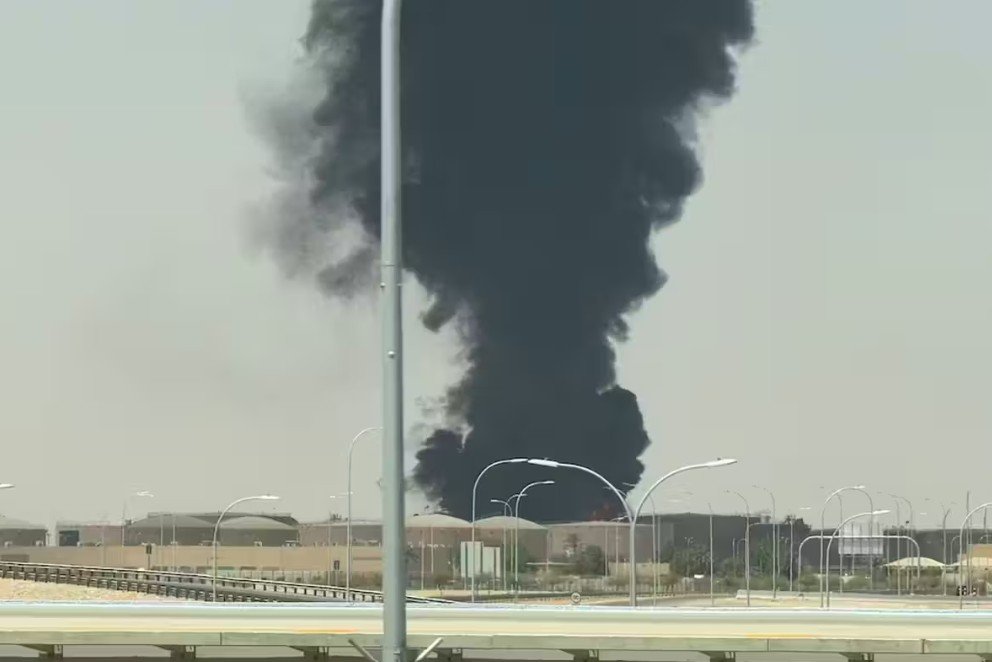
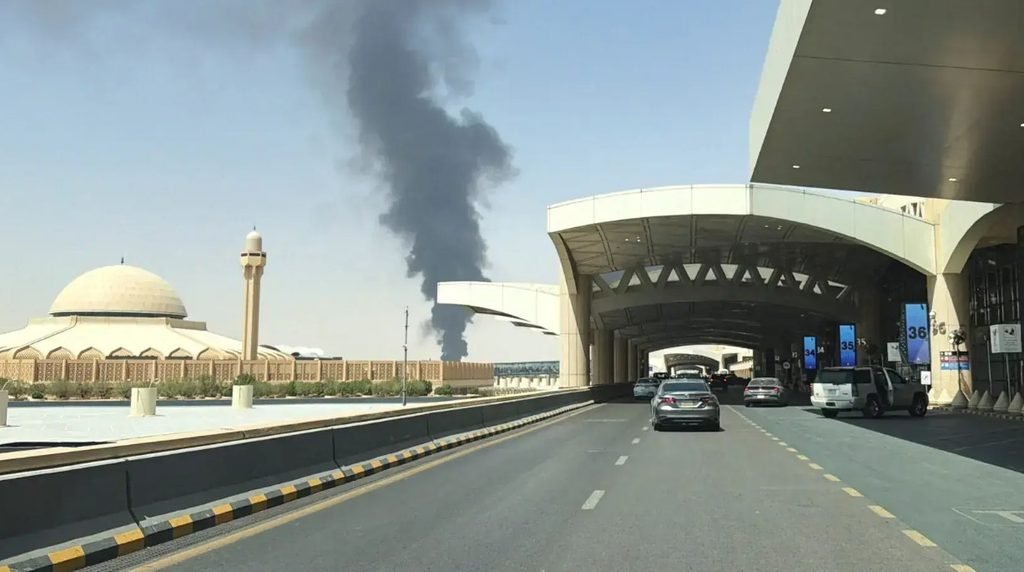
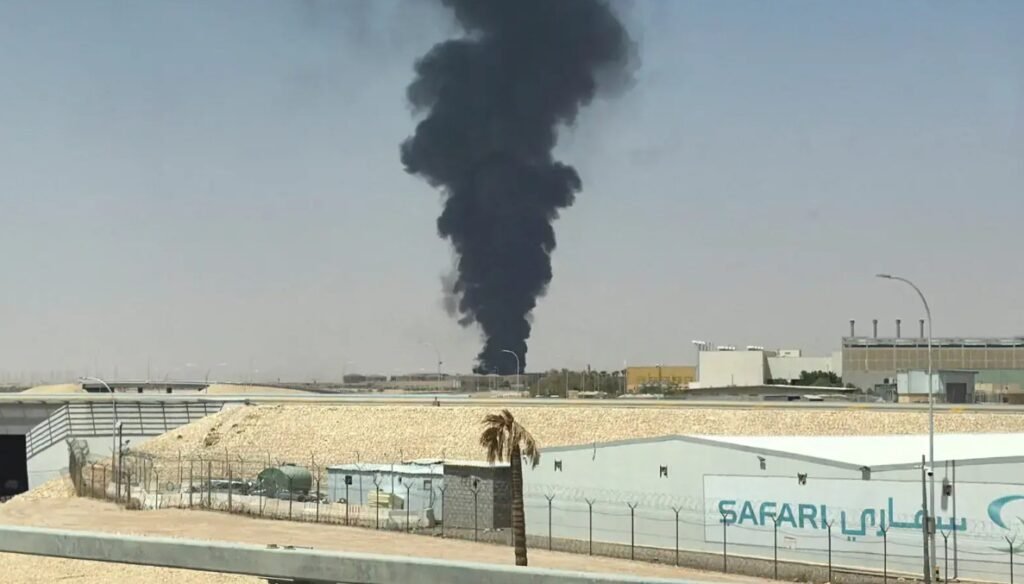
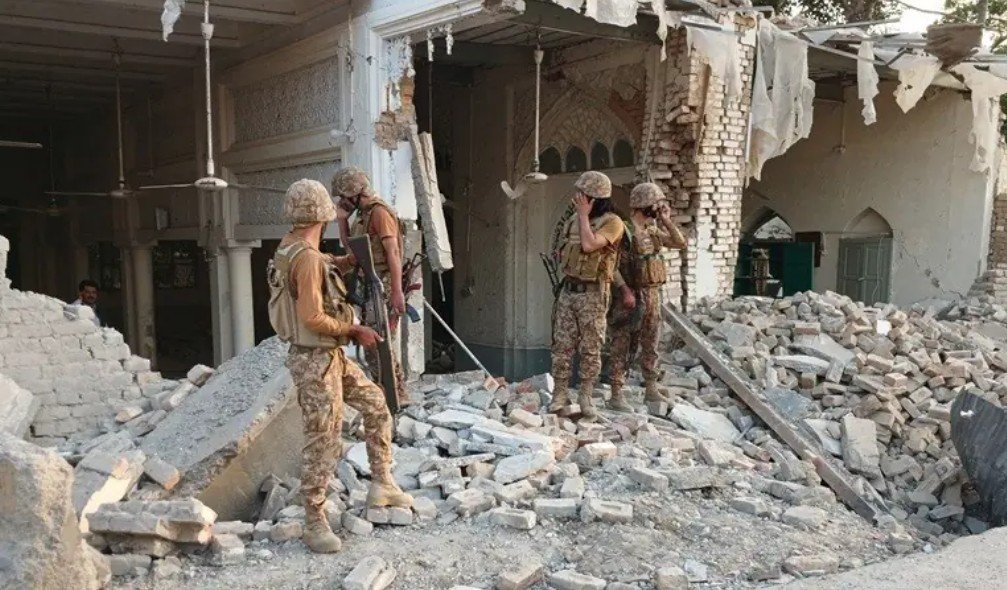
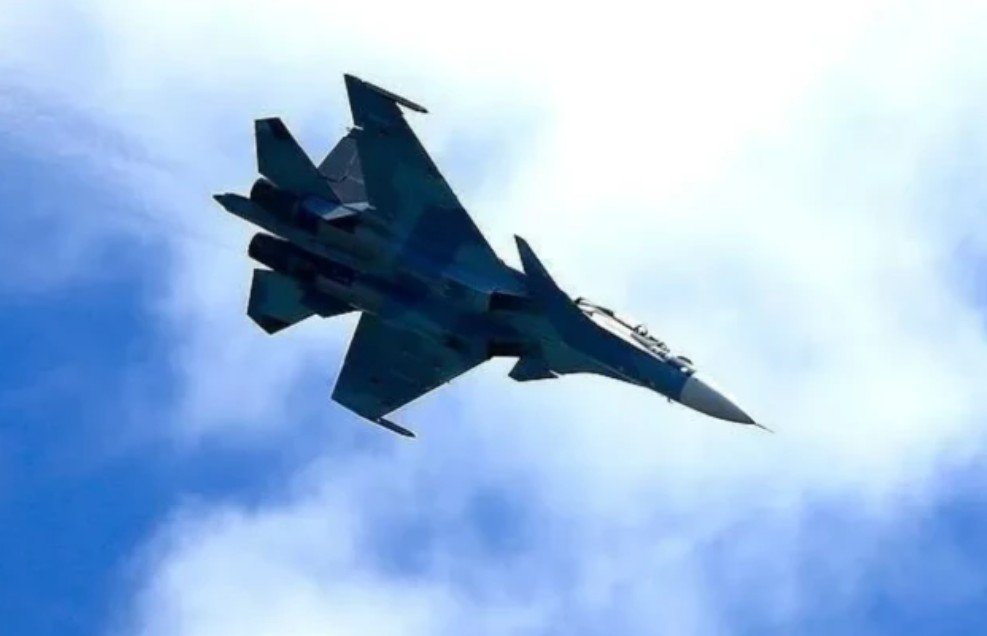
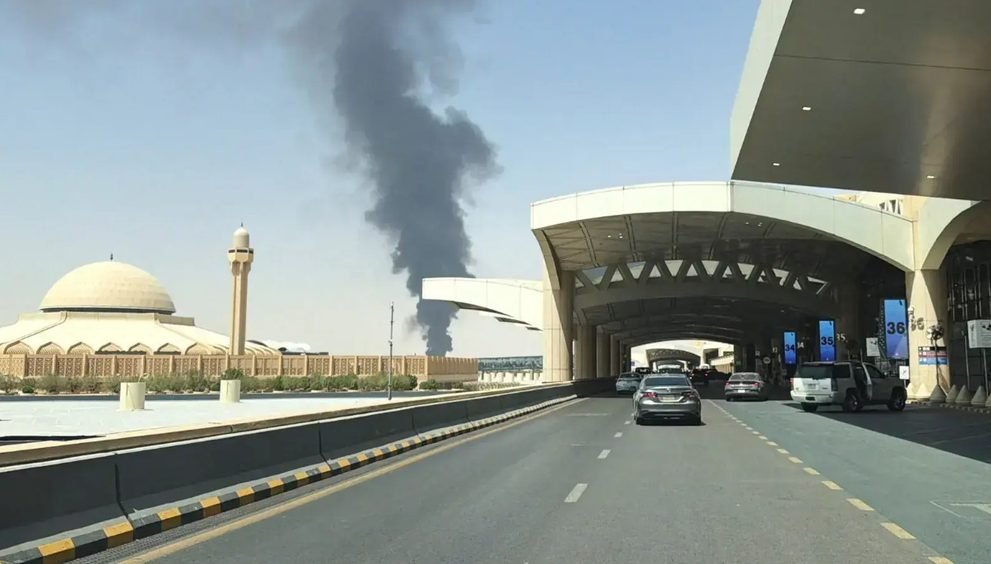
Saudi Arabia has faced attacks involving drones and missiles, while fighting between Saudi forces and Yemen’s Houthi movement has intensified. On September 19, Saudi authorities issued emergency alerts warning of possible aerial attacks around Riyadh and Al-Kharj. The alerts were later lifted, while Reuters reported that explosions and a large plume of smoke were seen near Riyadh’s main airport. Saudi authorities had not immediately provided an official explanation for the smoke.
Earlier in the week, Saudi Arabia also reported security incidents involving Houthi drones. One drone was intercepted near the Taif area, according to Saudi authorities, while Saudi officials said another drone had been intercepted near Mecca. The Houthis have denied targeting the holy city.
These developments have changed the security calculation for the kingdom.
Saudi Arabia is already under pressure
For years, Saudi Arabia attempted to reduce tensions with Yemen’s Houthis through negotiations and regional diplomacy. The situation has now deteriorated again.
The Houthis have expanded their military activity along Yemen’s Red Sea coast and have targeted Saudi interests. The group has also declared a maritime blockade against Saudi Arabia, raising concerns about commercial shipping and energy supplies.
The geography makes the situation particularly sensitive.
The Red Sea and Bab al-Mandab are major routes for international trade and energy transportation. Any prolonged disruption could affect not only Saudi Arabia but also global shipping, oil markets and food supplies.
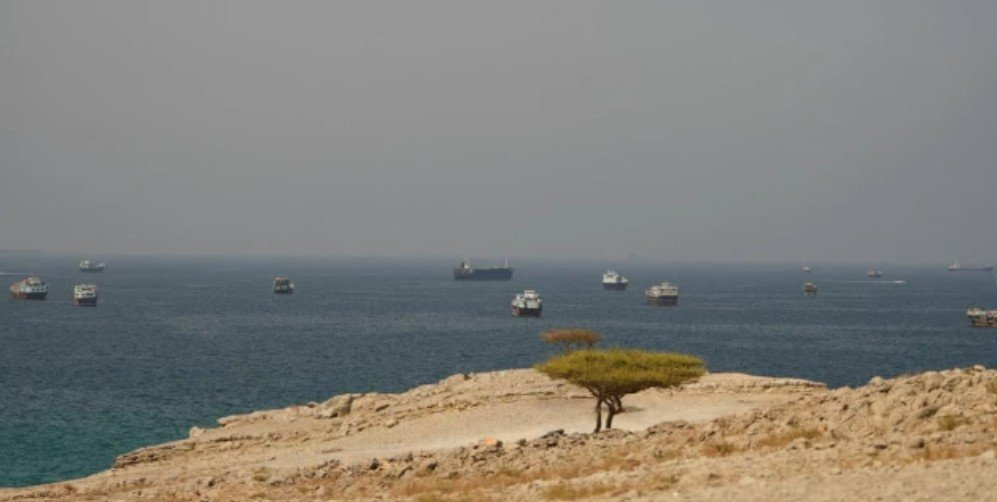
At the same time, the Strait of Hormuz remains another major pressure point in the regional crisis.
This means Saudi Arabia faces security concerns on multiple fronts rather than from a single direction.
Energy infrastructure is another major concern
Saudi Arabia’s energy infrastructure is particularly important because the kingdom is one of the world’s largest oil producers.
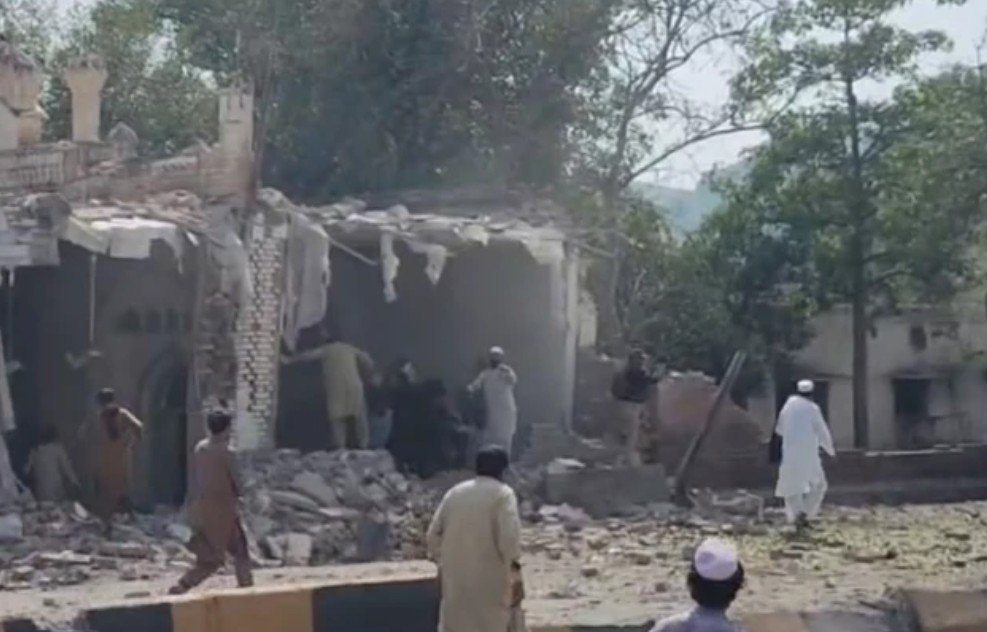
In September, a major East-West oil pipeline was temporarily shut after drone attacks caused damage in areas around Riyadh and Medina, according to Saudi authorities. The pipeline connects oil-producing areas in the east with the Red Sea port of Yanbu and provides an alternative route for exports.
Attacks on energy infrastructure carry consequences beyond the immediate damage.
They can affect production, transportation, insurance costs and investor confidence. Any prolonged disruption to Saudi oil exports could also have consequences for international energy markets.
This is why the security of Saudi Arabia has become an international concern rather than simply a regional issue.
Could the conflict become a full-scale war?
The possibility of further escalation cannot be dismissed, but it is important to distinguish between military attacks on Saudi territory and a full-scale war involving the kingdom across multiple fronts.
Saudi Arabia is already responding militarily in Yemen, while the Houthis continue to launch attacks. Reuters reported this week that Saudi warplanes had struck Yemen while Houthi forces launched drones and missiles towards Saudi cities.
The immediate danger is therefore not necessarily the formal declaration of a new war. It is the possibility of a cycle of retaliation in which attacks lead to counterattacks, followed by further escalation.
That cycle could make diplomacy increasingly difficult.
The Iran factor
Iran is another important part of the regional security picture.
The Houthis are aligned with Iran, although their relationship with Tehran has its own complexities. The current confrontation has also developed alongside the wider conflict involving Iran and other regional and international actors.
Recent analysis by the Institute for the Study of War says the Houthis have used the current regional situation to increase pressure on Saudi Arabia and seek economic and political concessions.
For Riyadh, this creates a difficult strategic environment.
A prolonged confrontation with the Houthis could increase pressure on Saudi territory and shipping routes, while a wider confrontation involving Iran could create additional threats to energy infrastructure and regional trade.
The international dimension
Saudi Arabia’s security is also connected to the interests of the United States and other international powers.
However, Washington’s current approach to the Houthi escalation is significant. Reuters and other reports indicate that the United States has not chosen to directly support Saudi military operations against the Houthis at this stage.
This does not mean Saudi Arabia is without international partners.
But it does underline a major reality: Riyadh may increasingly have to manage the immediate security crisis through its own military capabilities, regional partnerships and diplomacy.
What does this mean for Pakistan?
The developments are particularly important for Pakistan.
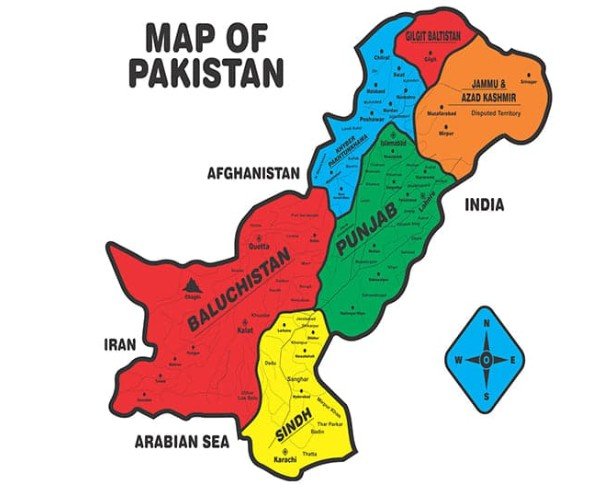
Saudi Arabia has close political, economic and security ties with Pakistan. The two countries signed a mutual defence agreement in August, further strengthening their security relationship.
Pakistan also has an important relationship with Iran and shares a long border with the country.
That puts Islamabad in a complicated diplomatic position.
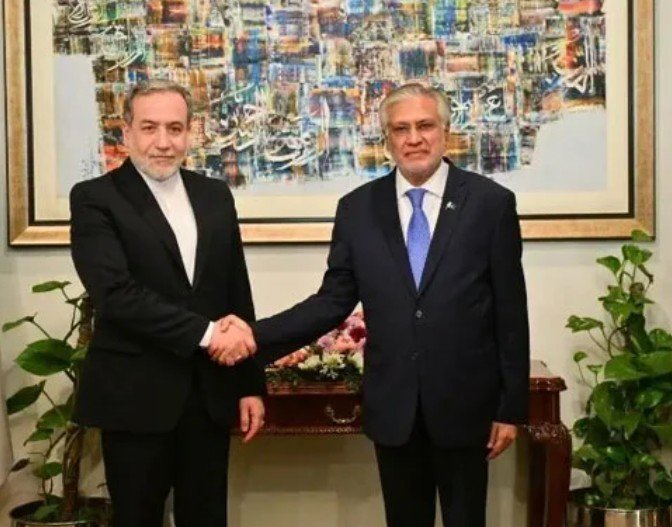
Pakistan has an interest in protecting its relationship with Saudi Arabia while avoiding a wider confrontation with Iran. At the same time, any prolonged conflict in the Gulf could affect oil prices, remittances, trade and the wider Pakistani economy.
For Islamabad, diplomacy may therefore become increasingly important.
Can diplomacy still prevent wider escalation?
There are still diplomatic channels available.
Saudi Arabia, Iran, Pakistan and other regional states have an interest in preventing the current confrontation from developing into an uncontrollable regional conflict.
The challenge is that military actions can quickly change the political calculations of all sides.
A drone attack on an energy facility, a strike near a major city or an incident involving commercial shipping could trigger a response that is difficult to contain.
That is why the coming weeks could be particularly important.
Saudi Arabia at a crossroads
Saudi Arabia is not simply watching a war approach its borders. It is already dealing with attacks and military pressure linked to the wider regional conflict.
The question is whether these incidents remain limited or develop into a broader confrontation.
The answer will depend on several factors: the scale of Houthi attacks, Saudi military responses, the role of Iran, the position of the United States, the security of maritime routes and the ability of regional states to keep diplomatic channels open.
For now, there is clear evidence of a serious deterioration in Saudi Arabia’s security environment. There is also evidence that the conflict is affecting energy infrastructure and commercial shipping.
But whether this becomes a full-scale war on Saudi soil remains an open question.
One thing is clear: the longer the cycle of attacks and retaliation continues, the greater the risk that a regional conflict could expand into a much wider confrontation.
For Saudi Arabia, the challenge is now to protect its territory and critical infrastructure while keeping diplomatic options open.
For the wider Middle East, the stakes are even higher. A major escalation in Saudi Arabia could affect energy markets, global shipping and the security calculations of countries far beyond the region.

