












































































































































































































































Saudi, Pakistan and Turkish Officials to Hold Talks in Tehran on Regional Security

Tehran also indicated that accepting its seven-point proposal could provide a starting point for renewed negotiations.
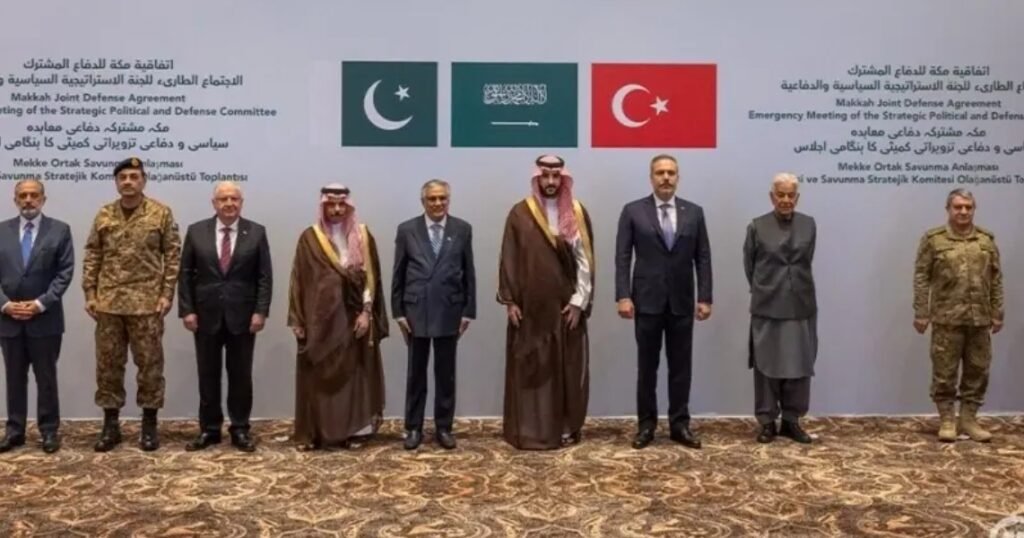
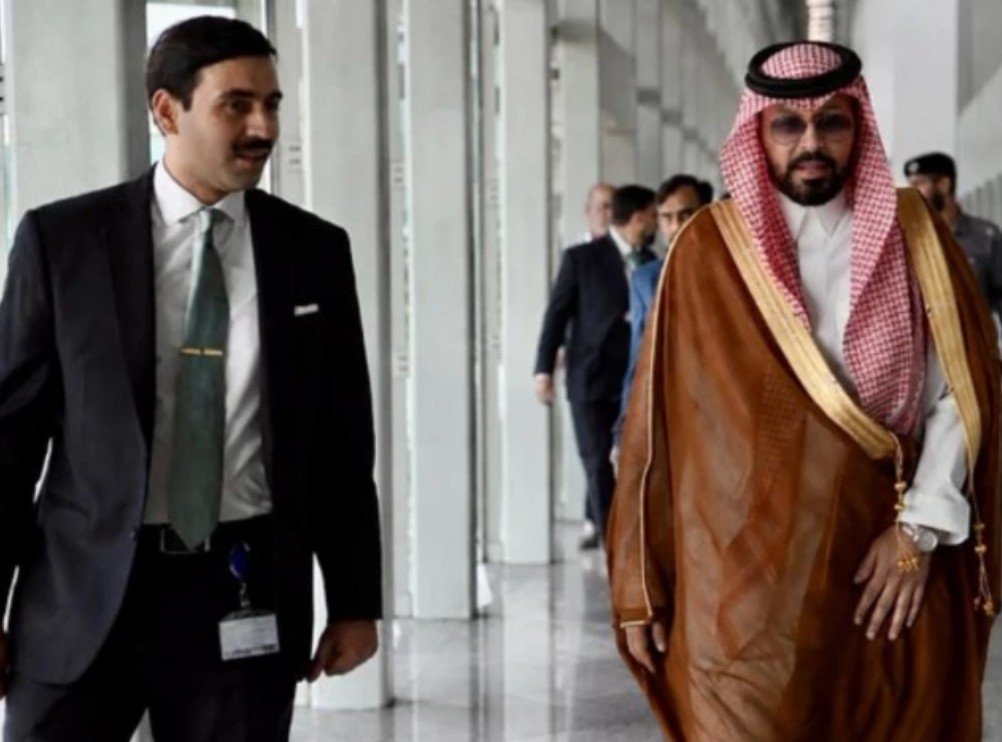
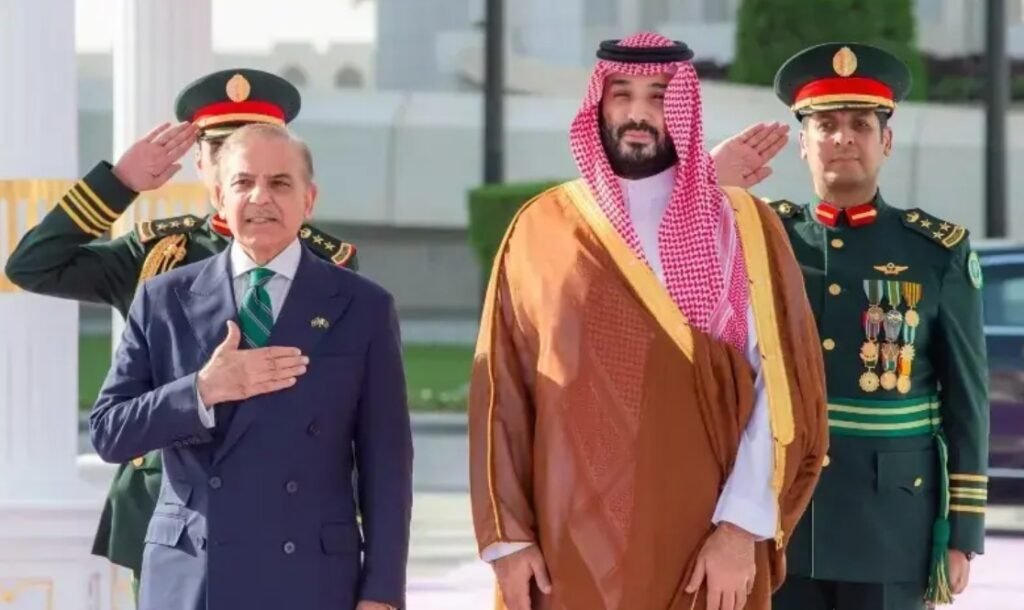
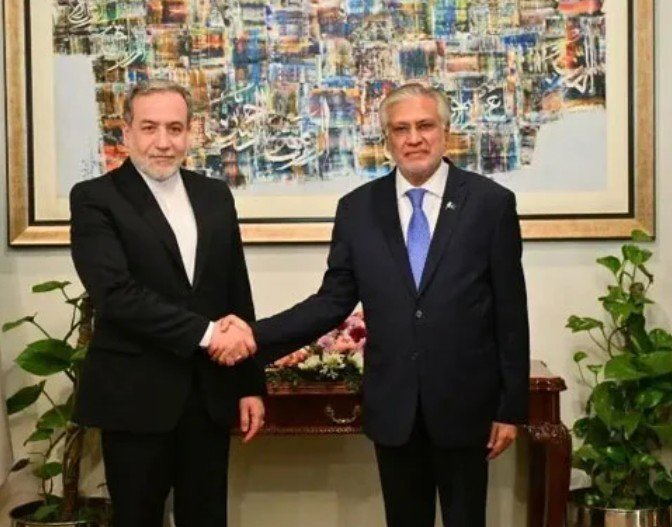
Senior officials from Saudi Arabia, Pakistan and Turkiye are scheduled to visit Tehran on Monday for talks with Iranian leaders aimed at easing regional tensions and promoting diplomatic solutions, according to Iranian and Saudi officials.
Iran’s state-run IRNA news agency quoted Ali Bagheri Kani, deputy secretary of the country’s top security body, as saying the visit was part of efforts to advance the concept of indigenous security in West Asia.
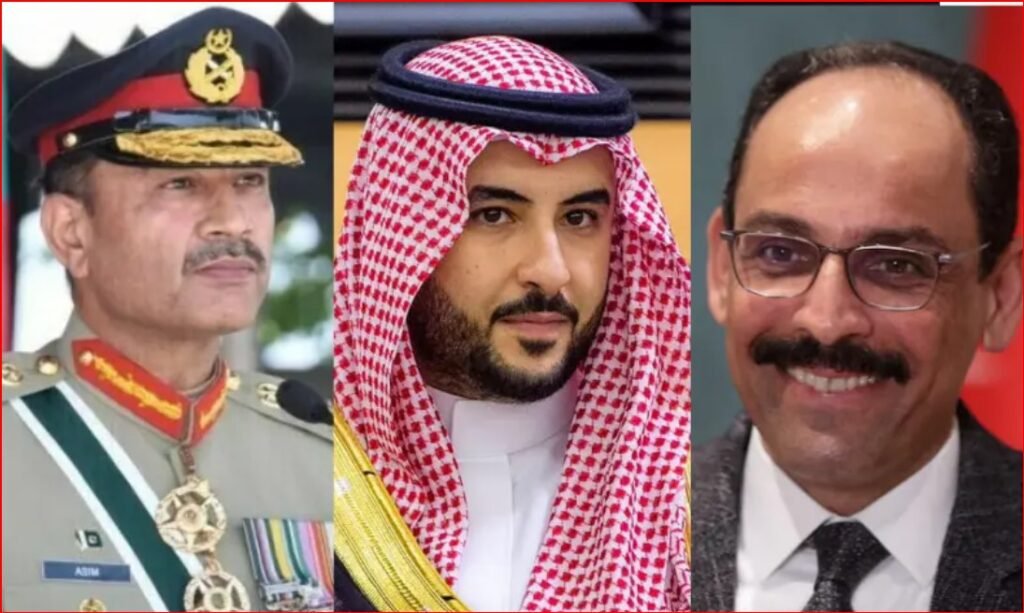
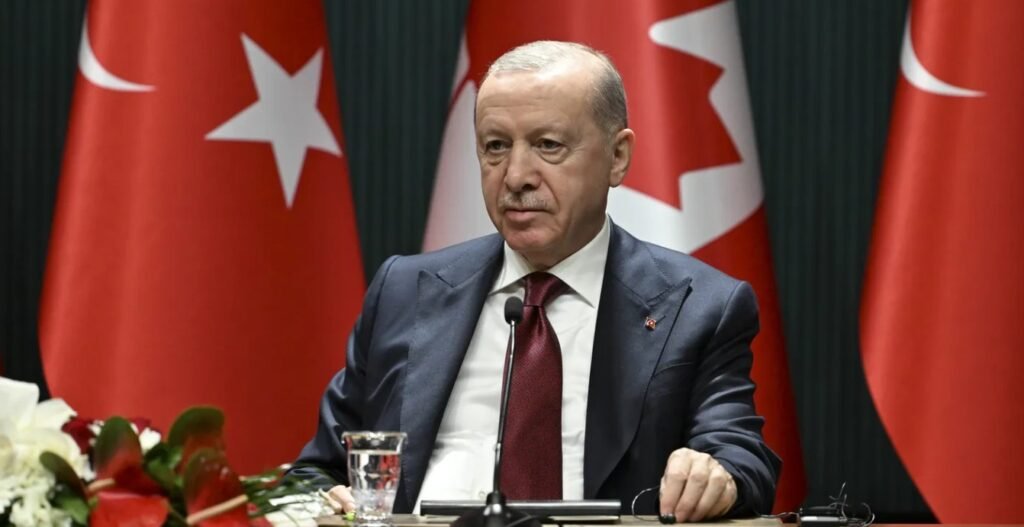
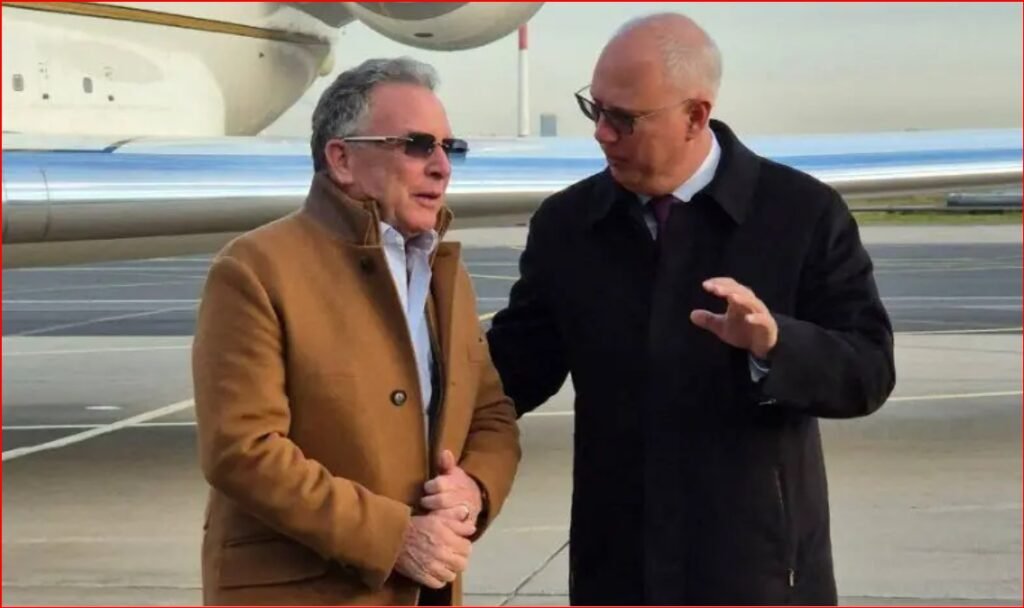
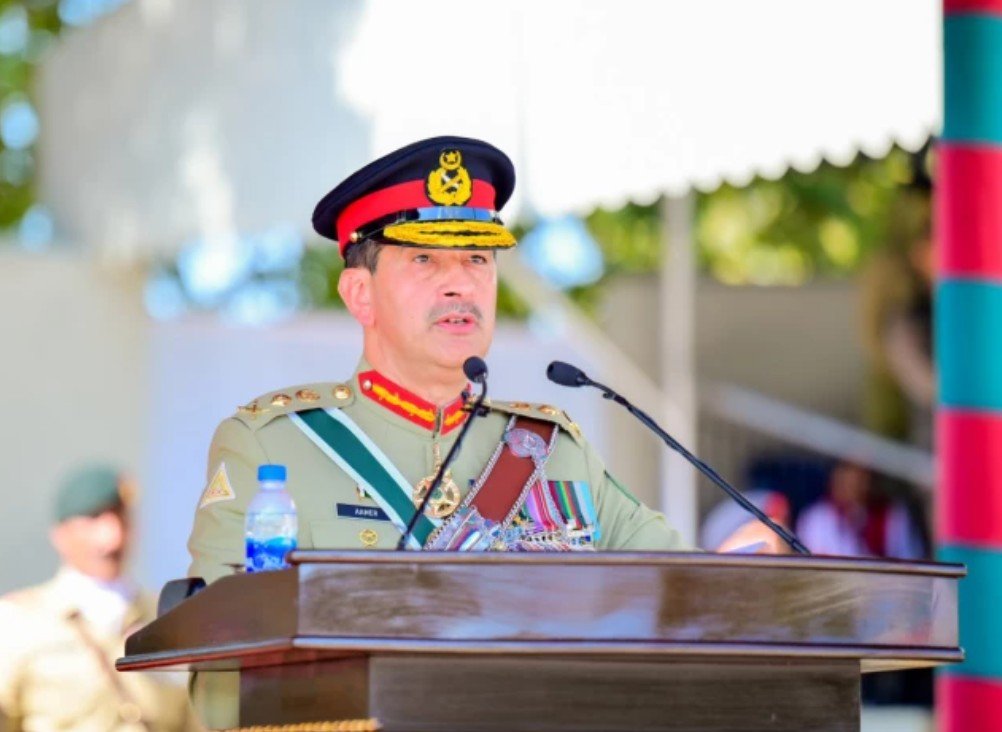
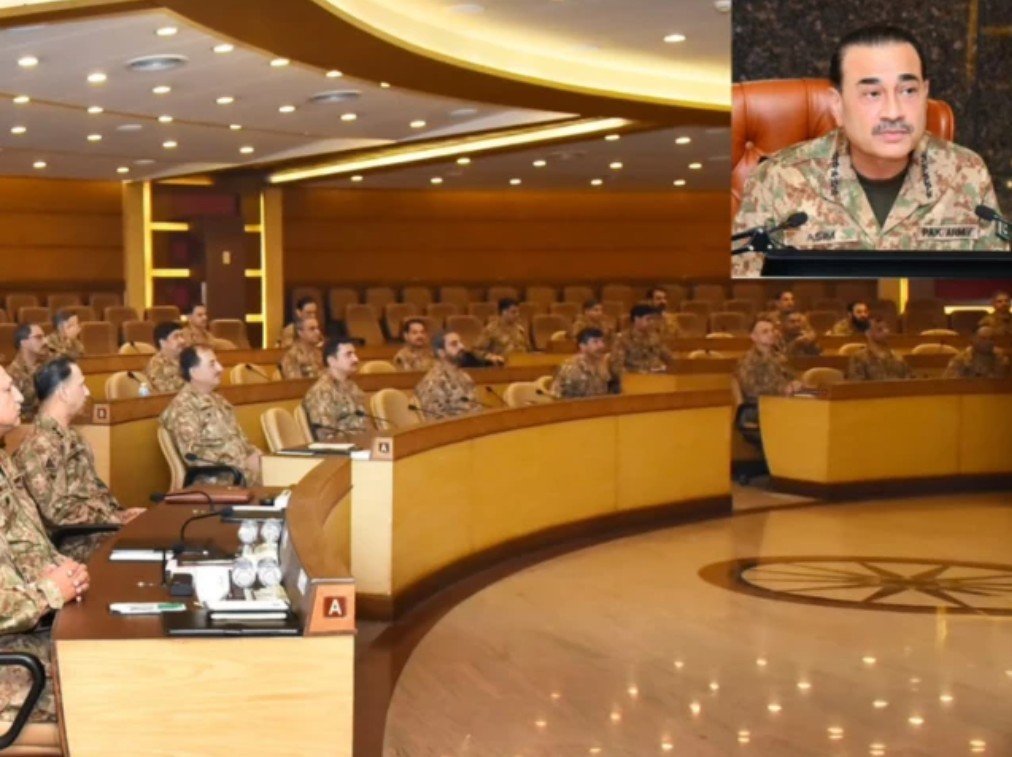
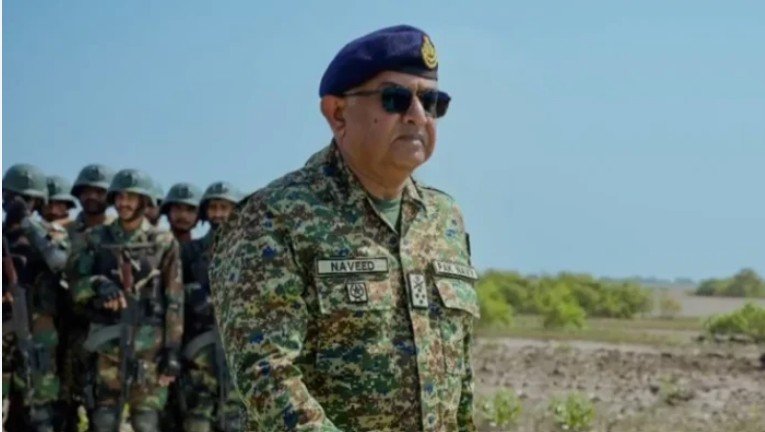
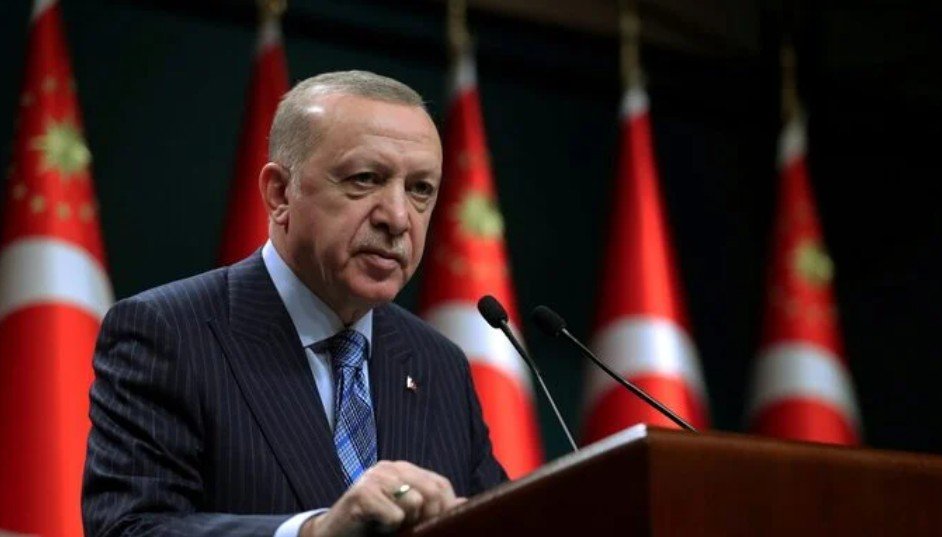
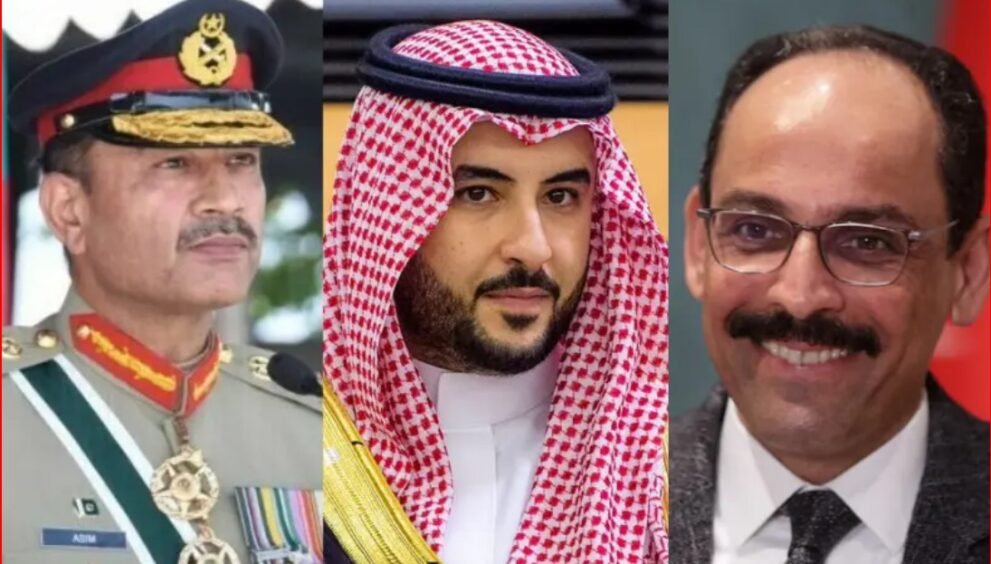
Kani told Iranian state television that the visiting officials would include Saudi Defence Minister Prince Khalid bin Salman, Turkish intelligence chief Ibrahim Kalin, and Pakistan’s Chief of Defence Forces and Chief of Army Staff, Field Marshal Asim Munir.
Regional Security and US-Israeli Actions on Agenda
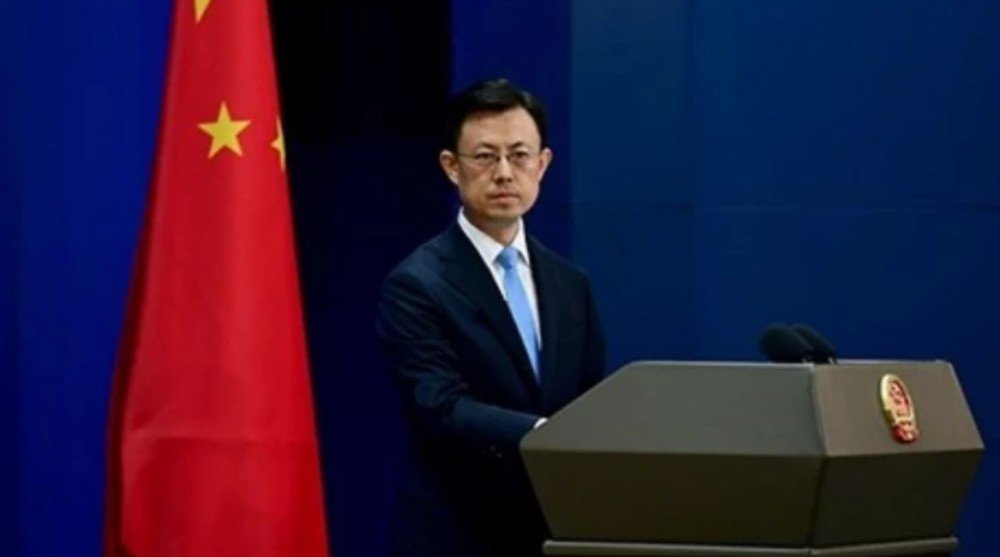
Iranian Foreign Ministry spokesperson Esmaeil Baqaei said the discussions would address the most pressing threats facing the region, including Israel’s policies, developments in Palestine and Lebanon, and the consequences of US-Israeli military action against Iran.
Baqaei said the impact of the US-Israeli attacks on Iran and their wider regional implications would be a top priority during the meeting.
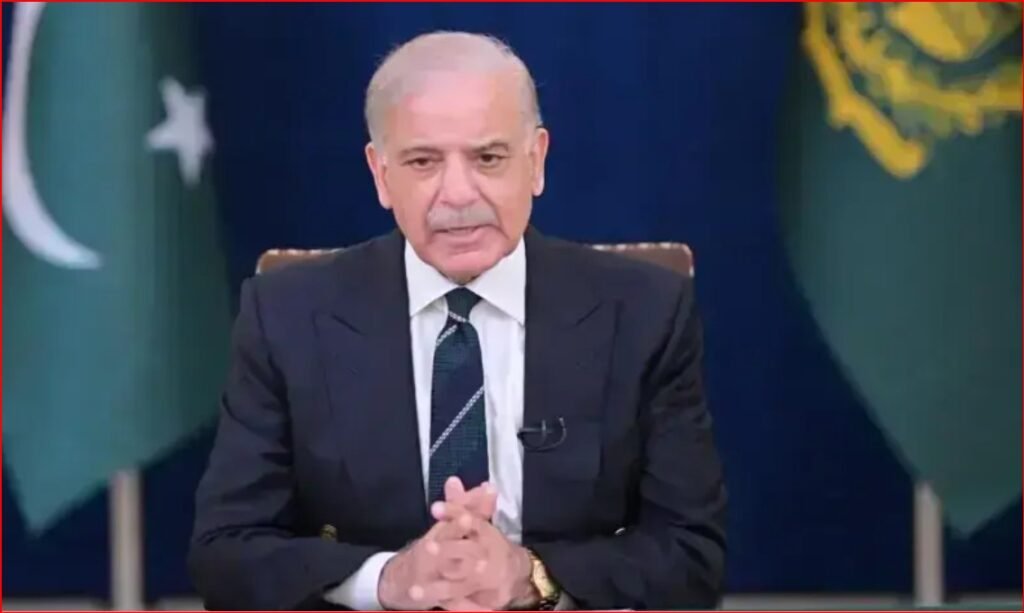
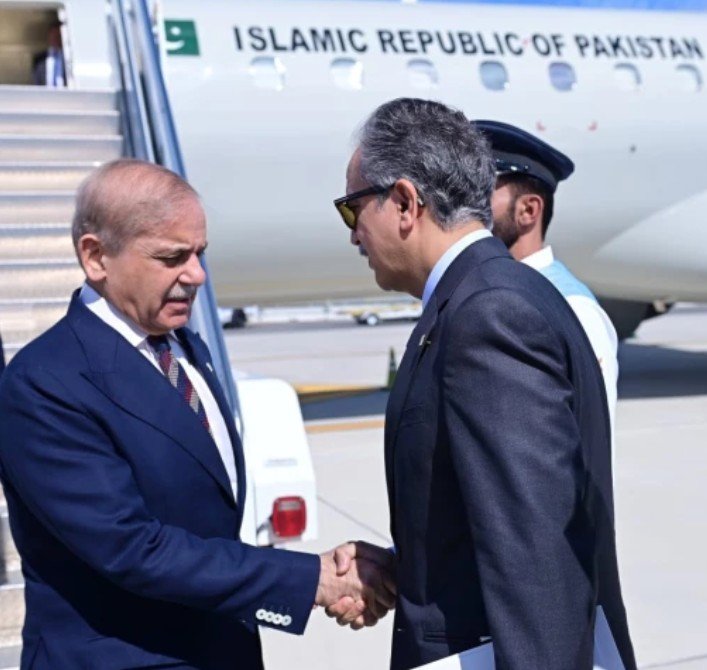
Pakistan’s military media wing confirmed that Field Marshal Munir was visiting Tehran but did not provide further details.
Saudi Deputy Minister for Public Diplomacy Rayed Krimly also confirmed the visit in a post on X, saying the meetings were scheduled for Monday.
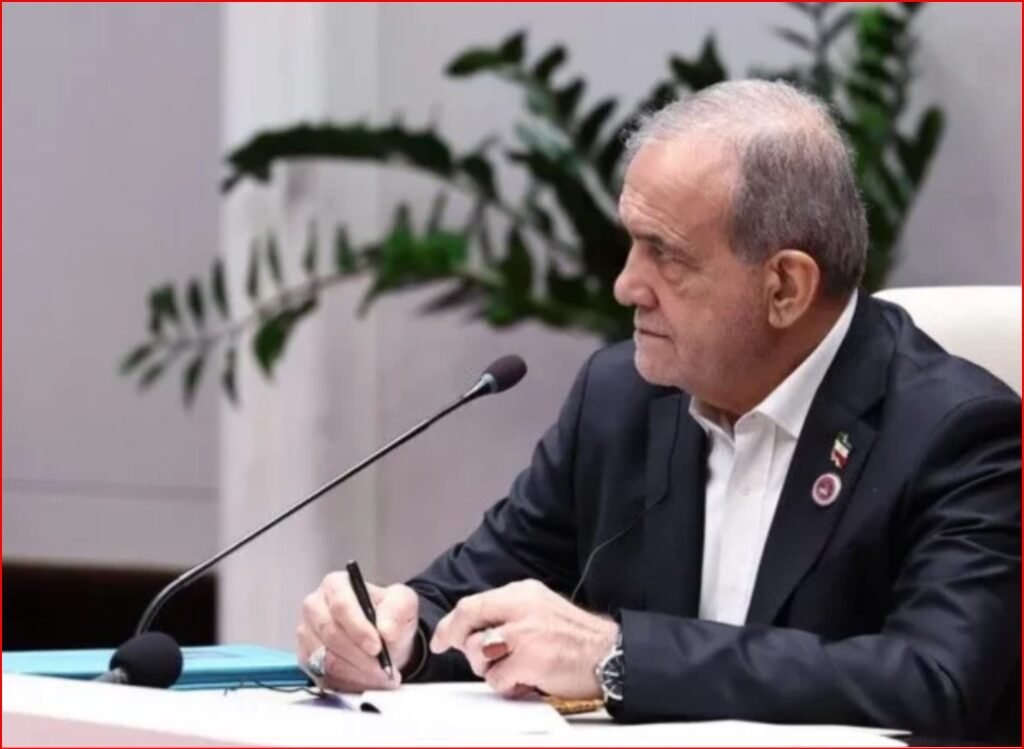
According to Krimly, representatives from Saudi Arabia, Pakistan and Turkiye, described as members of the Makkah Defence Alliance, would meet Iranian President Masoud Pezeshkian and security chief Mohsen Rezaei.
Makkah Defence Alliance Seeks De-escalation
Krimly said the visit was part of continued efforts by the alliance’s members to reduce tensions among parties involved in the ongoing crisis and encourage dialogue and diplomatic solutions.
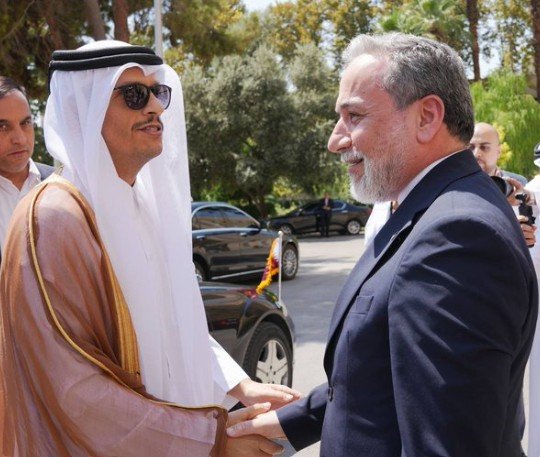
He also highlighted support for mediation efforts led by Qatar and Pakistan, adding that the alliance’s members had a pivotal role in strengthening regional security and stability.
The planned discussions would mark the first high-level contact between Iran and all three members of the Makkah Defence Alliance since Saudi Arabia became more directly involved in the conflict.
Under the Makkah Joint Defence Agreement, signed in August, an armed attack against one member is considered an attack against all members.
Munir’s Previous Visit to Tehran
Field Marshal Munir visited Iran last week, during which Iranian leaders reportedly conveyed that Washington must take the first steps towards rebuilding trust.
Tehran also indicated that accepting its seven-point proposal could provide a starting point for renewed negotiations.
Iran’s ISNA news agency quoted Baqaei as saying the proposal for Monday’s meeting was raised during Munir’s previous visit. Tehran reviewed the suggestion favourably, and the meeting was subsequently scheduled, he said.
Middle East Conflict Fuels Diplomatic Efforts
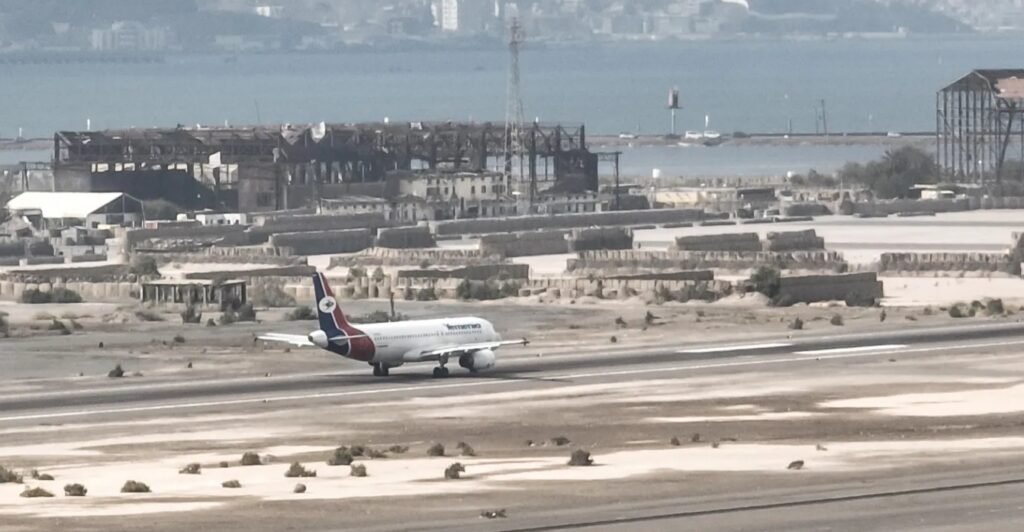
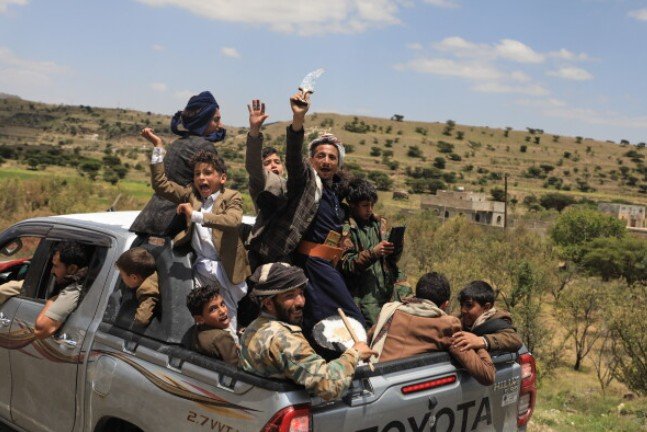
The diplomatic initiative comes amid escalating regional tensions, including increased Houthi attacks in recent weeks and increasingly hostile rhetoric between Washington and Tehran.
The wider conflict began in late February, when the United States and Israel launched attacks on Iran while Washington and Tehran were engaged in negotiations over Iran’s nuclear programme.
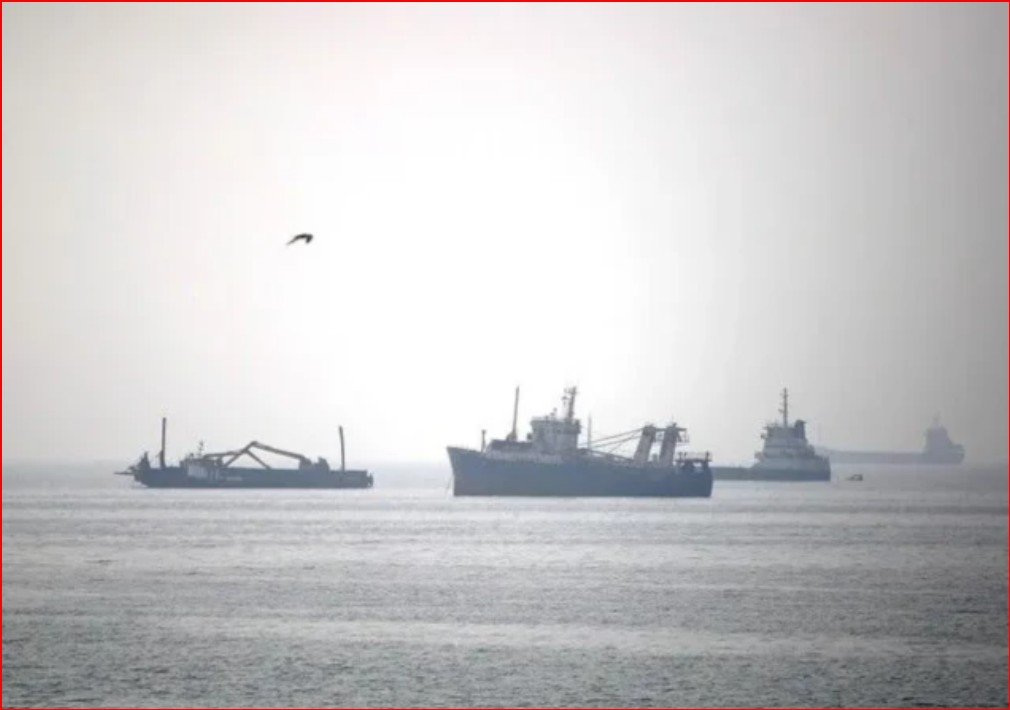
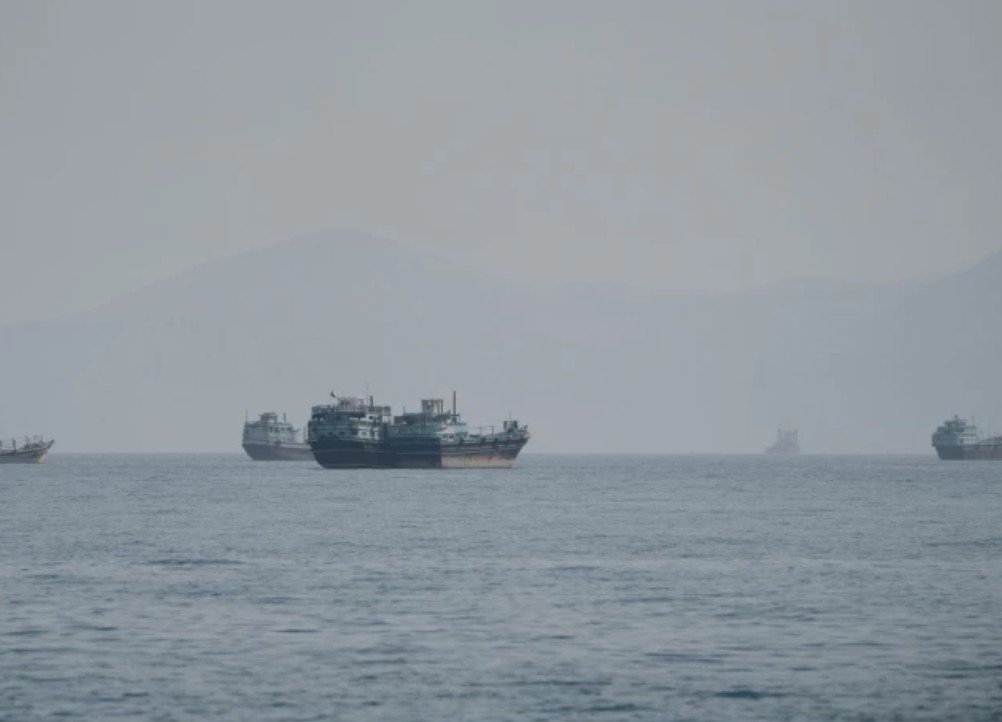
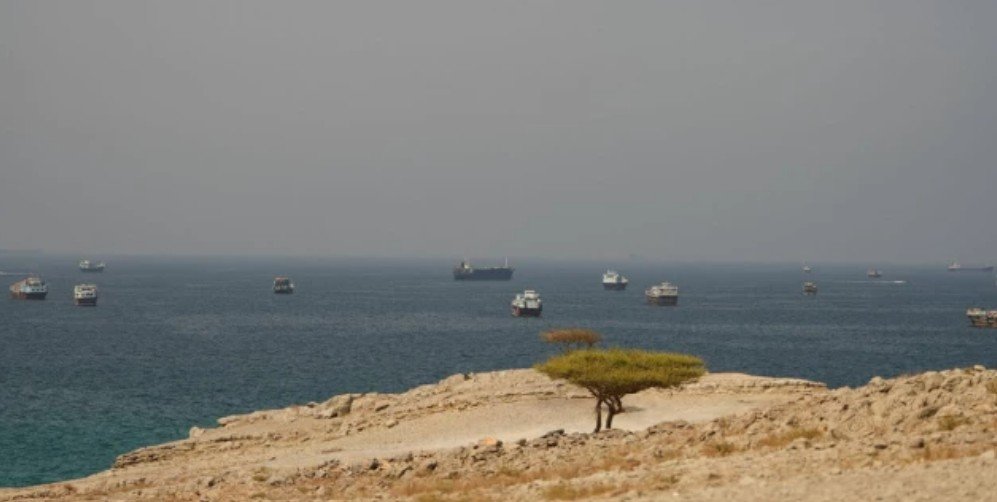
An April ceasefire halted the initial phase of intense bombardment, but tensions continued over control of the Strait of Hormuz, a strategic waterway through which roughly one-fifth of the world’s oil and liquefied natural gas supplies previously passed.
Iran has asserted control over the strait and regularly targeted vessels attempting to cross without its authorisation. The United States, meanwhile, has imposed a naval counter-blockade on Iranian ports.
Efforts to resolve the crisis diplomatically have remained stalled, particularly following the collapse of a June agreement intended to establish a pathway towards a permanent settlement.
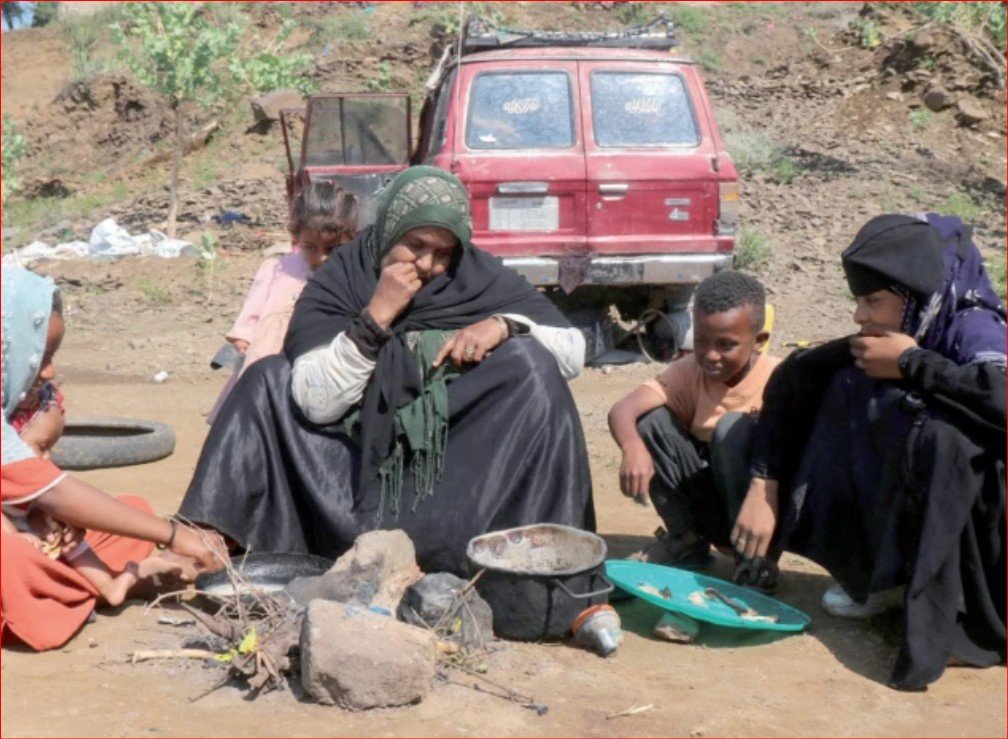
The conflict has also spread across the region, including fighting between Saudi Arabia and the Houthis in Yemen. Monday’s talks are expected to focus on regional security challenges and possible diplomatic avenues for containing further escalation.

