










































































































































Pakistan Condemns Drone Attack on Saudi Arabia’s East-West Oil Pipeline

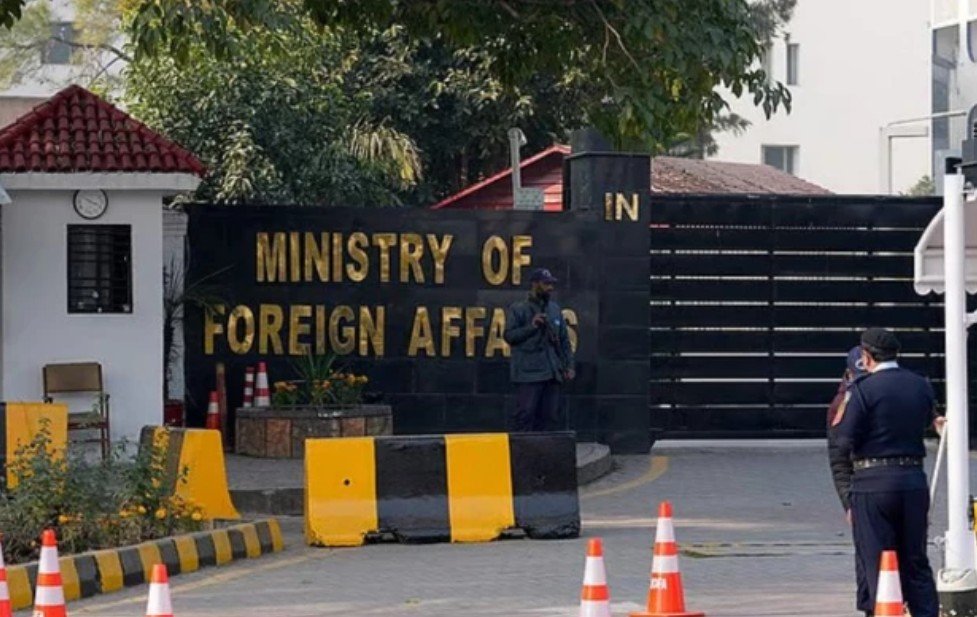
ISLAMABAD: Pakistan has strongly condemned the “reprehensible” drone attacks targeting Saudi Arabia’s East-West oil pipeline in the Riyadh and Madina regions, which caused damage to the vital energy infrastructure and injured civilians.
In a statement issued on Saturday, Pakistan’s Foreign Office said the attacks on civilian infrastructure were a flagrant violation of international law, as well as Saudi Arabia’s sovereignty and territorial integrity.
“These attacks and targeting of civilian infrastructure are a flagrant violation of international law as well as the sovereignty and territorial integrity of the brotherly Kingdom of Saudi Arabia and pose a serious threat to regional peace, security and stability,” the Foreign Office said.
Saudi Arabia Shuts East-West Oil Pipeline After Drone Attack
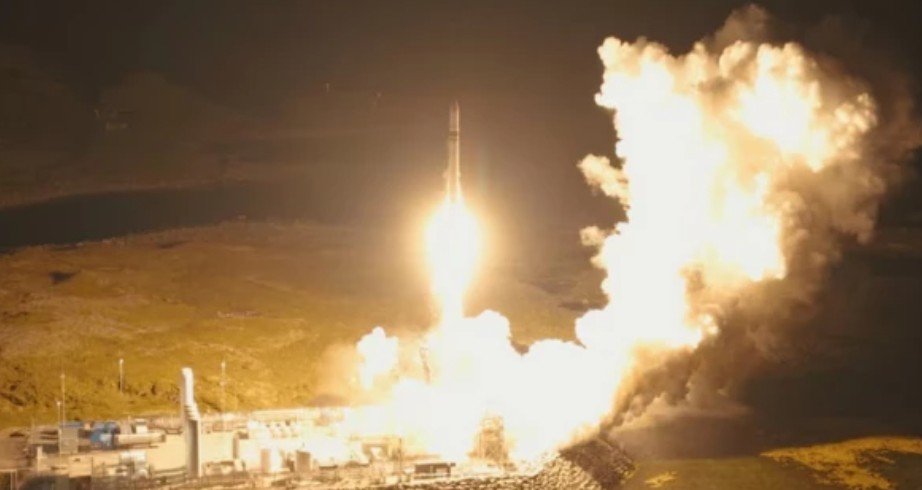
Saudi Arabia temporarily shut down its East-West oil pipeline following the aerial attack as the widening Middle East conflict continued to put pressure on regional energy supplies.
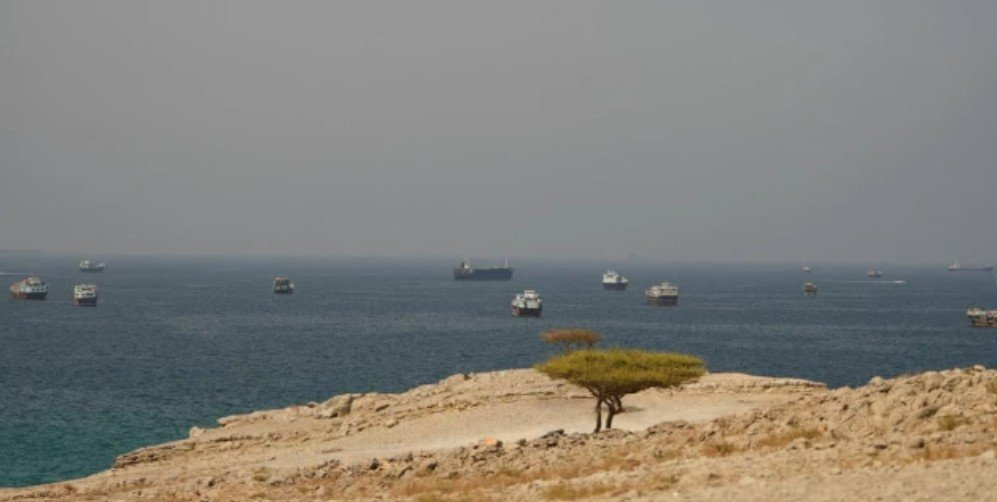
The 1,200-kilometre pipeline runs across the Arabian Peninsula and provides Saudi Arabia with an alternative route for transporting crude oil, helping the kingdom bypass disruptions in the Strait of Hormuz, where tanker traffic has been severely affected by the conflict between the United States and Iran.
Saudi Arabia and Iraq said the drone attack originated from Iraq, while Baghdad condemned the incident and dismissed a military commander in response.
The Saudi Foreign Ministry said the attack caused injuries and damage to the pipeline, while authorities were assessing the full impact. It was not immediately clear how the incident would affect Saudi oil exports.
Pakistan Reaffirms Support for Saudi Arabia
The Foreign Office said Pakistan reaffirmed its “unwavering support” for the sovereignty, territorial integrity, security and prosperity of Saudi Arabia.
Pakistan also reiterated its solidarity with the Saudi leadership, government and people, stressing that Islamabad would continue its efforts to promote lasting peace and stability in the region.
Saudi Arabia Avoids Retaliation
Saudi Arabia has so far refrained from retaliating against the suspected perpetrators following a request from the Iraqi prime minister.
The Saudi Foreign Ministry said the kingdom reserved the right to take “all measures necessary” to protect its interests and security.
Meanwhile, Iraq’s government condemned the attacks and launched an operation to identify those responsible.
Iraq also ordered the closure of the Shalamcheh border crossing with Iran as a precautionary measure, according to security sources. The crossing is an important route for Iraqi imports of vegetables and other food supplies from Iran.
Middle East Conflict Raises Global Oil Supply Concerns
The pipeline attack comes amid growing disruptions to energy infrastructure and shipping routes across the Middle East.
The International Energy Agency said Saudi crude supply had fallen to its lowest level in more than three decades, partly due to attacks on ships travelling through the Bab el-Mandeb Strait by groups linked to Yemen’s Houthi movement.
Meanwhile, four Yemeni government sources told Reuters that the Houthis had seized the strategic Perim Island at the entrance to the Red Sea and Bab el-Mandeb Strait.
The reported attacks on the Saudi oil pipeline and Perim Island have raised concerns about a further escalation of the regional conflict, particularly as diplomatic efforts to end the war remain stalled.
The disruptions around the Strait of Hormuz and Red Sea have intensified pressure on global energy markets, with international oil prices rising above $100 per barrel.

