

































































































































































































































Iran Warns of New Confrontation as Israel Claims Strategic Ridge in Lebanon

Iran has warned that the threat against the country is not over and said its forces are prepared for any possible confrontation, as tensions continue to rise across the Middle East.
At the same time, Israel has claimed control of the strategically important Ali al-Taher ridge in southern Lebanon, while South Korea is considering a possible role in security operations in the Strait of Hormuz.
The latest developments come amid continuing tensions involving Iran, Israel, Hezbollah and the United States.
Iran Says It Is Ready for Any Confrontation
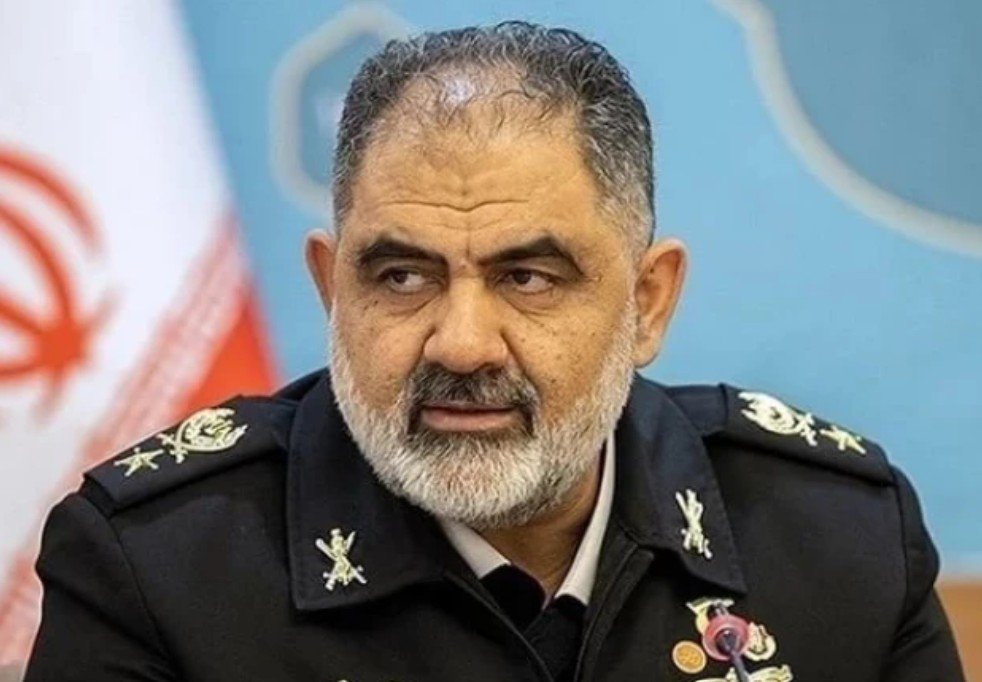
Iran’s Joint Air Defence Commander, Brigadier General Alireza Elhami, said Iran was prepared to face any form of confrontation because, according to him, the threat against the country had not ended.
Elhami also said Iran’s air defence capabilities had achieved what he described as “complete self-sufficiency.”
He claimed that Iran had demonstrated a new concept of national power to the world through its ability to maintain its defensive capabilities during the conflict.
Iran Questions US Use of Arab Airspace
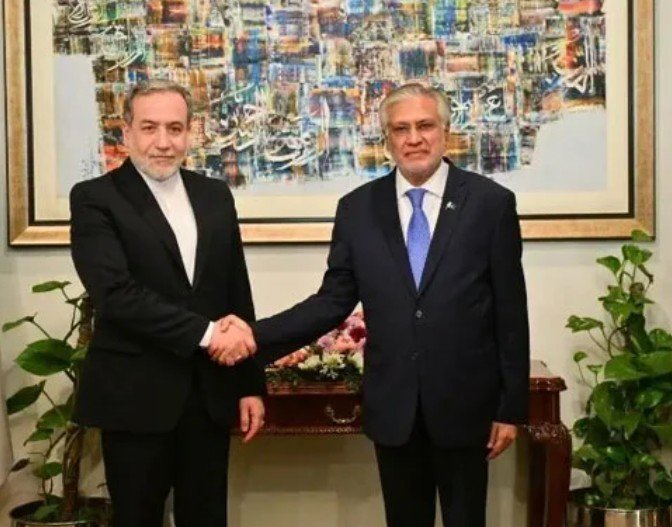
Iranian Foreign Minister Abbas Araghchi has criticised comments by Jordan’s foreign minister concerning Iran’s response to attacks.
Araghchi questioned how long Iran should wait before responding to an aggressor that, he said, respected neither Iranian nor Arab sovereignty.
He also questioned whether the Jordanian foreign minister was unaware that Arab airspace, territory and waters had been used by the United States during its initial attacks on Iran.
According to Araghchi, those attacks resulted in the deaths of innocent Iranians.
Israel Claims Control of Ali al-Taher Ridge
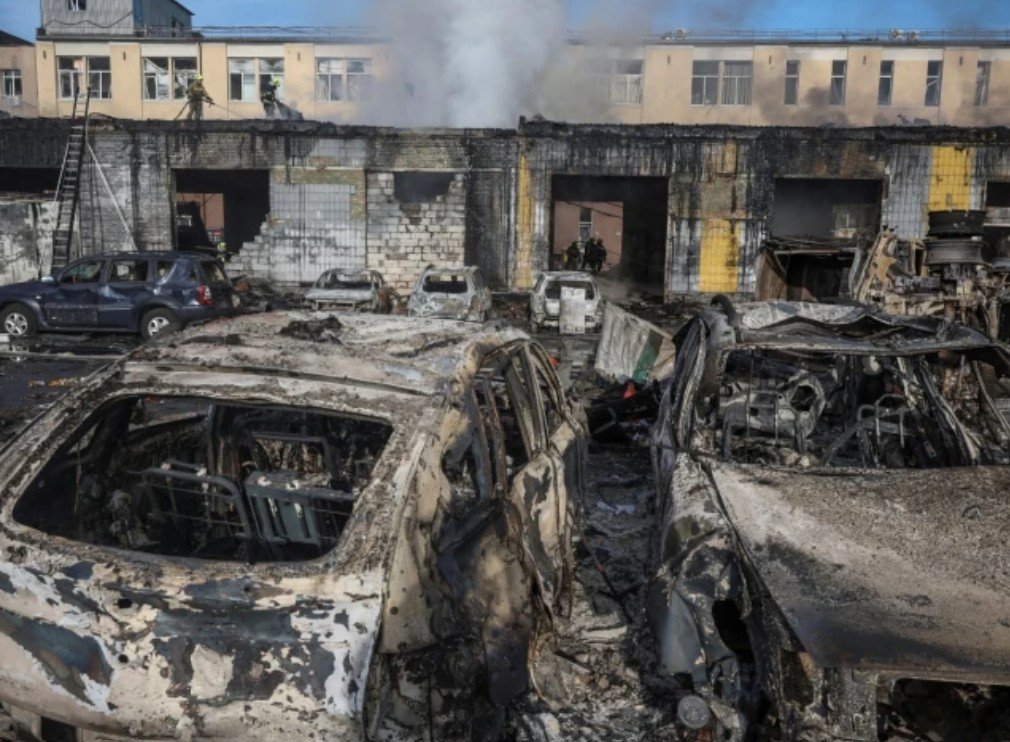
Israel has claimed that its military has taken control of Ali al-Taher ridge in southern Lebanon, a strategic location associated with Hezbollah.
The ridge is located around 10 kilometres from the Israeli border and has reportedly come under repeated Israeli strikes in recent weeks despite a ceasefire.
Hezbollah has not confirmed the loss of the strategic position.
The ridge is located near Nabatieh and the Litani River and overlooks surrounding areas and key locations further north. It is also situated close to the UNESCO-listed Beaufort Castle.
The area lies near the security zone declared by Israel and is believed to contain a network of tunnels.
Israel Says Hezbollah Tunnels Have Been Cleared
Israeli Defence Minister Israel Katz said Israeli forces had completed an operation against Hezbollah fighters located inside tunnels beneath the Ali al-Taher ridge.
Katz claimed that the tunnels had been cleared and that some Hezbollah fighters were killed while others fled the area.
The Israeli military also said it had established operational control of the ridge.
There has been no immediate confirmation from Hezbollah regarding the Israeli claims.
Red Cross Transfers Five People to Lebanon
The International Committee of the Red Cross (ICRC) said it facilitated the transfer of five people released from Israeli detention to Lebanon.
The humanitarian organisation said one person was transferred on Thursday, followed by four others on Friday.
The transfers were carried out at the request of the relevant parties, according to the ICRC.
Iran Says Crude Oil Exports Continued During War
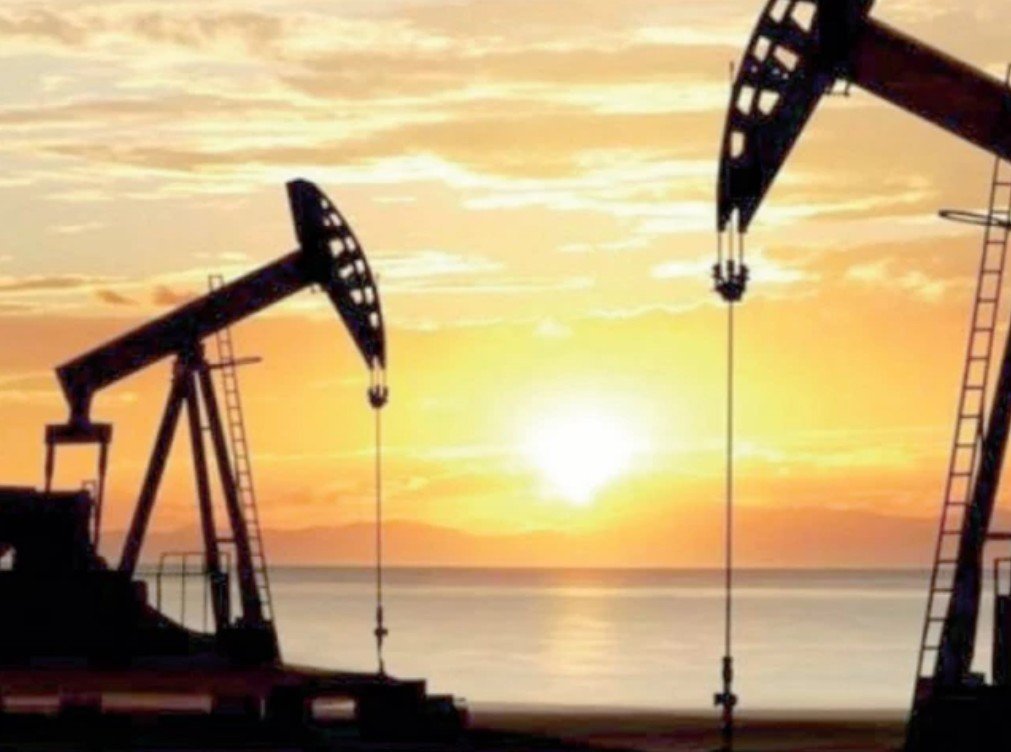
Iranian Petroleum Minister Mohsen Paknejad has claimed that the country’s crude oil exports continued throughout the 40-day war despite attacks on energy infrastructure and severe logistical challenges.
According to Iranian state media, Paknejad said crude exports did not stop even for one hour between February 28 and the establishment of a temporary ceasefire.
He said Iran continued its oil exports despite attacks on oil and gas facilities and difficulties caused by the maritime blockade.
The claim comes as concerns remain over the impact of regional tensions on global energy markets and oil supplies.
European Union Joins US Economic Pressure Campaign
US Treasury Secretary Scott Bessent said the European Union has joined the US economic pressure campaign against Iran, which Washington has referred to as “Operation Economic Outcast.”
Bessent said the United States and its allies were seeking to prevent Iran from using the global financial system to support its nuclear programme, weapons programmes and regional armed groups.
He added that pressure would continue until Iran’s remaining financial channels were significantly restricted.
South Korea Considers Strait of Hormuz Role
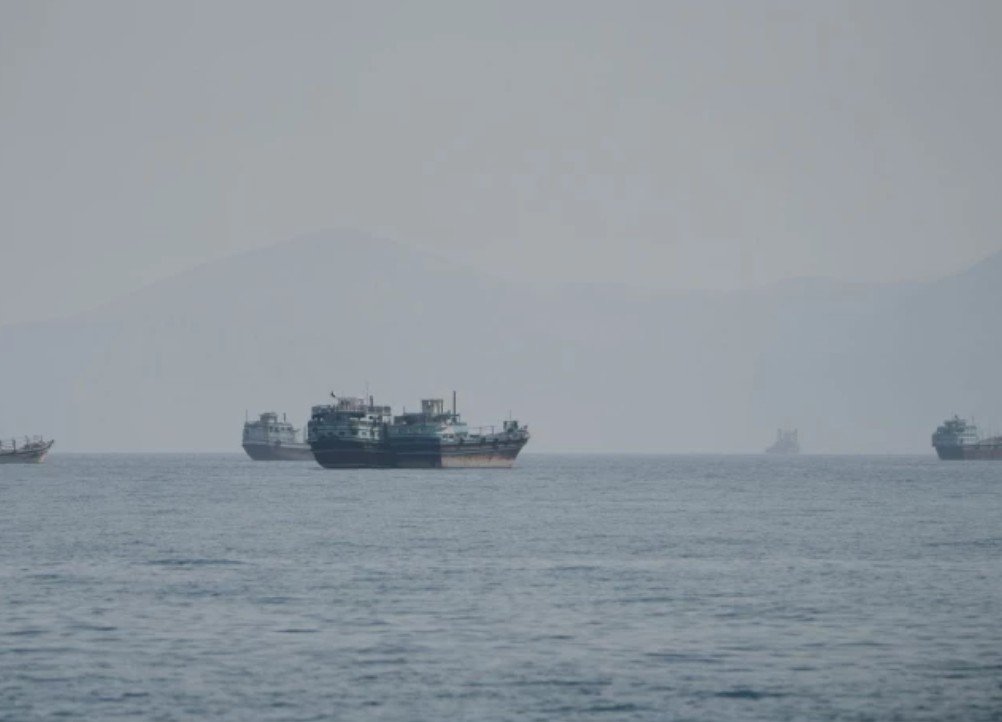
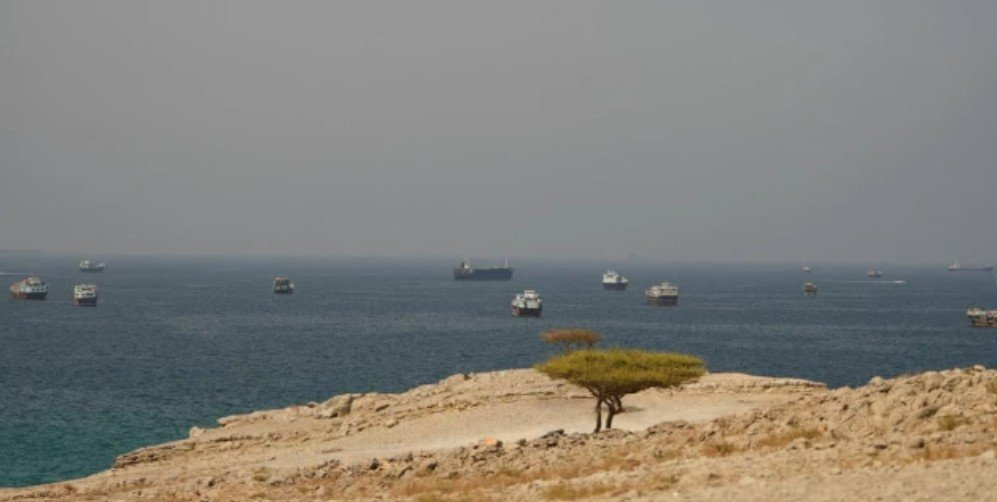
South Korea is considering whether to contribute to US security efforts in the Strait of Hormuz, according to officials.
A South Korean presidential official said any involvement would have to be managed in a way that did not compromise the country’s own military readiness.
The government is currently reviewing the proposal.
South Korea Reportedly Preparing for Possible Deployment
South Korea’s military is reportedly making preparations for a possible deployment to the Strait of Hormuz.
According to a report, the preparations could include P-8 maritime patrol aircraft, an explosive ordnance disposal team and a logistics support vessel.
South Korea had previously indicated that it would consider deployment to the strategic waterway after the US-Iran conflict ended.
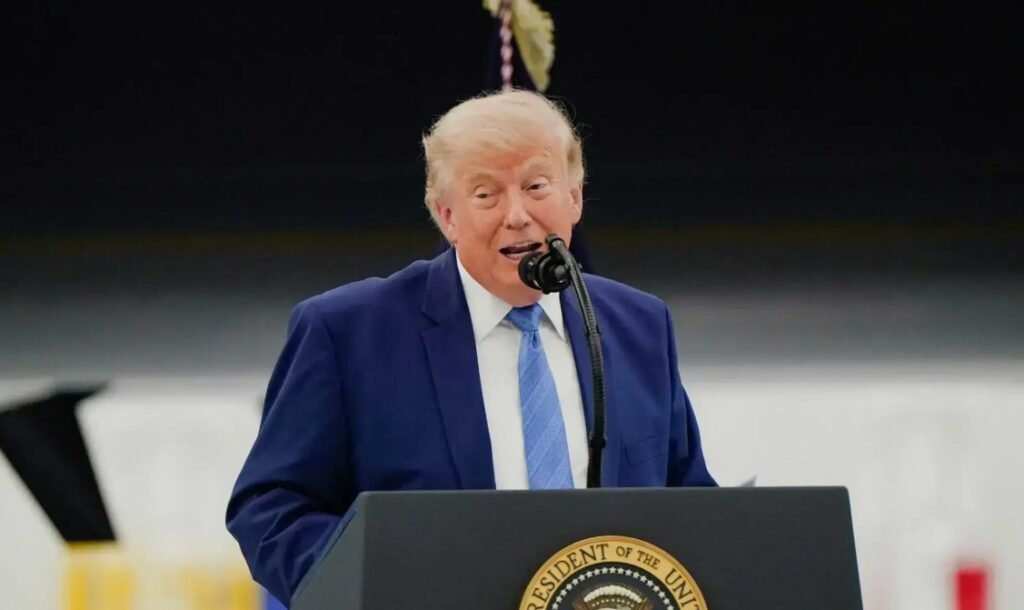
The issue gained additional attention after US President Donald Trump criticised Seoul over its refusal to participate in military action against Iran.
Any deployment would require several formal approvals, including a decision by the National Security Council, a Cabinet resolution and consent from the National Assembly.
Middle East Tensions Continue
The latest developments underline the increasingly complex security situation across the Middle East.
Iran is maintaining a heightened military posture, Israel continues operations in southern Lebanon, Hezbollah remains a central factor in the Lebanon conflict, and international powers are considering a greater role in protecting shipping routes around the Strait of Hormuz.
Developments surrounding Iran, Israel, Lebanon and the Strait of Hormuz could have wider consequences for regional security, international diplomacy and global energy supplies.