









































Pakistan Wrestling Federation Seeks Rs30 Million for LA 2028 Olympic Qualification

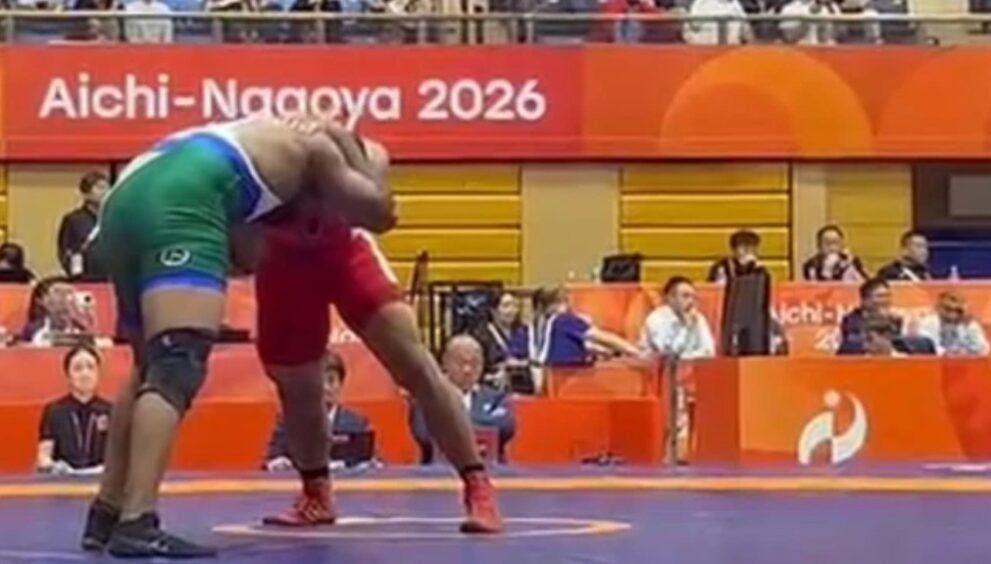
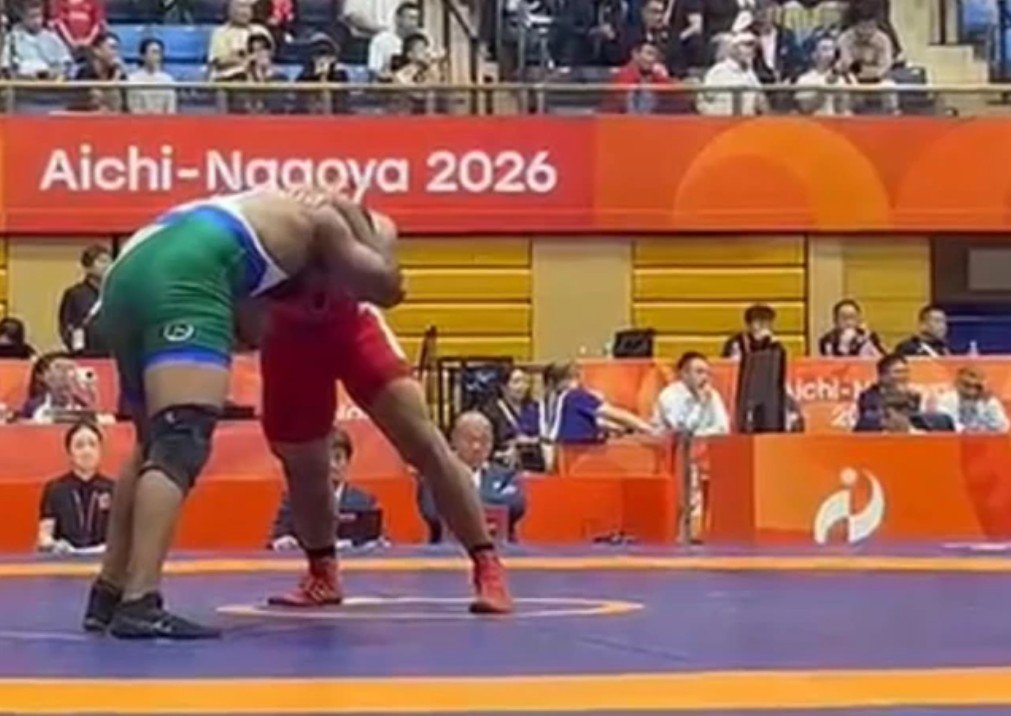
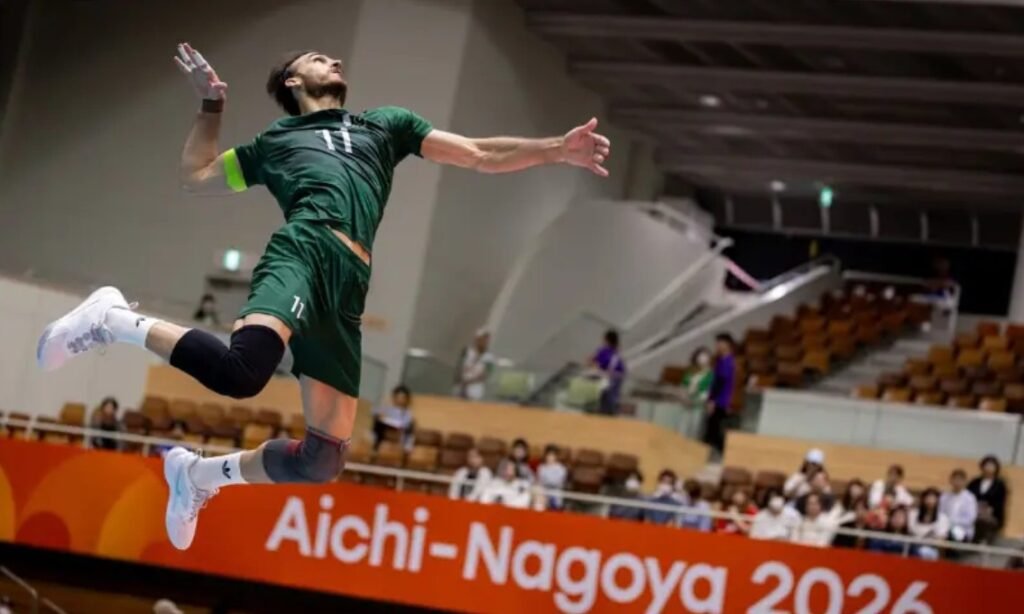
The federation had also hoped to send its leading wrestlers abroad for six months of training ahead of the Nagoya Asian Games, but financial constraints prevented the plan from materialising.
KARACHI: Pakistan has considerable wrestling talent, but a lack of funding, training facilities and international exposure continues to hamper the sport’s development and the country’s hopes of qualifying for the 2028 Los Angeles Olympics.
Pakistan has struggled to secure Olympic qualification in wrestling for decades, with limited government support and insufficient participation in international competitions restricting athletes’ opportunities to improve their rankings and compete against the world’s best.
With the Los Angeles 2028 Olympics approaching, the Pakistan Wrestling Federation (PWF) says immediate financial assistance is essential to give its leading wrestlers a realistic chance of qualification.
PWF Seeks Rs30 Million for Olympic Preparations
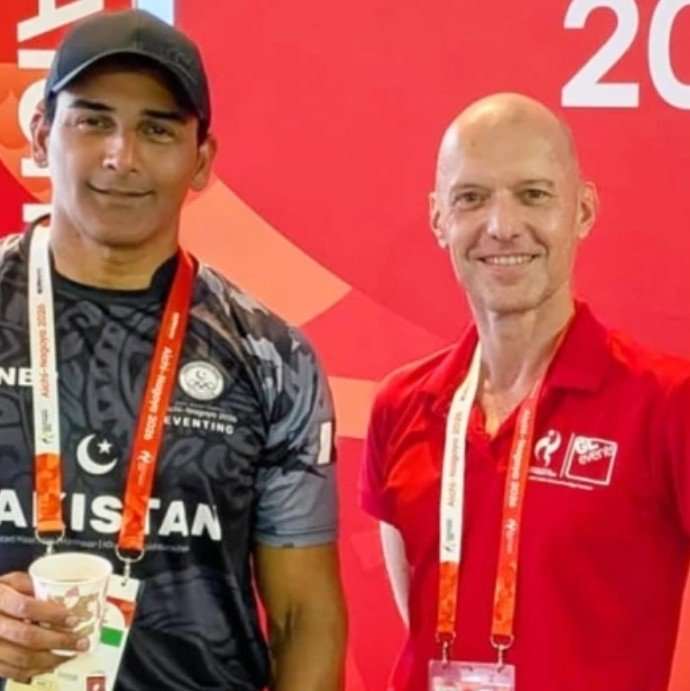
PWF Secretary Mohammad Inam said Pakistan has several wrestlers who could qualify for the Games if the government provides the necessary resources.
“We have a bunch of wrestlers who can qualify for the Los Angeles Games if the state assists. We will need Rs30 million to prepare our top three wrestlers, including Inayatullah, Abdullah and Mohammad Gulzar,” Inam told The Express Tribune.
He said the proposed funding would cover international exposure, including participation in ranking competitions, the Asian Championships and the World Championships. The federation would attempt to arrange training through its own resources.
Inam warned that Pakistan was already behind schedule in its Olympic qualification campaign, stressing that preparations should ideally begin immediately after one Olympic cycle ends.
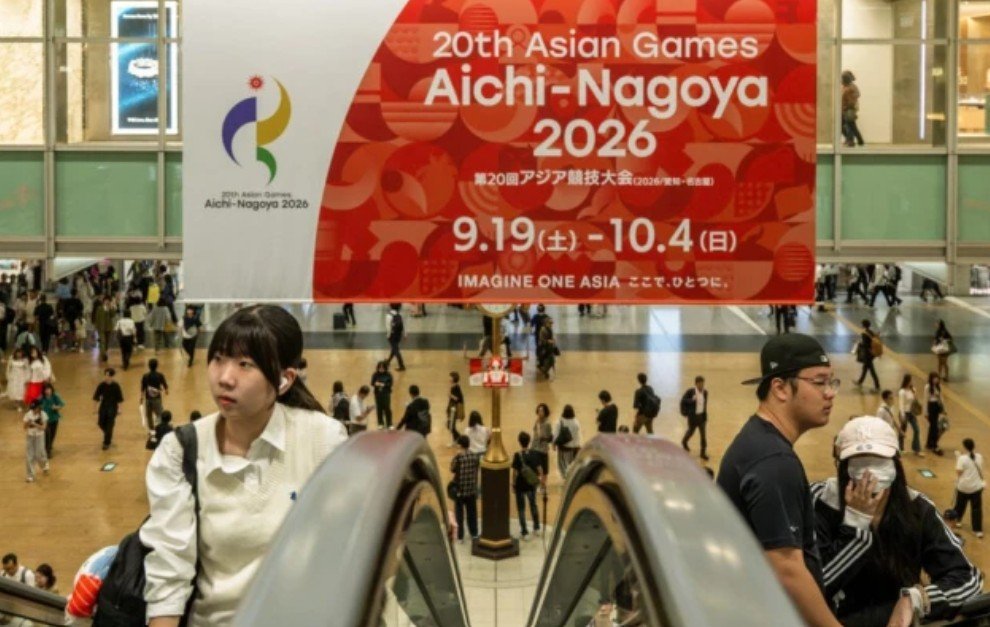
The federation had also hoped to send its leading wrestlers abroad for six months of training ahead of the Nagoya Asian Games, but financial constraints prevented the plan from materialising.
According to Inam, the Pakistan Sports Board (PSB) sponsored only two members of the wrestling contingent for the Asian Games, while the federation covered the expenses of the remaining three.
“Last year, we were given Rs3 million by the PSB as a grant, while this year we have not been given even a single penny,” he said, adding that the departments employing wrestlers had also declined to provide financial assistance.
The funding shortage has reportedly left the federation struggling to meet even its routine administrative expenses. Securing private sponsorship has also proved difficult without major international achievements.
International Training Crucial for LA 2028
Despite the financial difficulties, Inam believes Pakistan can still secure Olympic qualification if preparations begin without further delay.
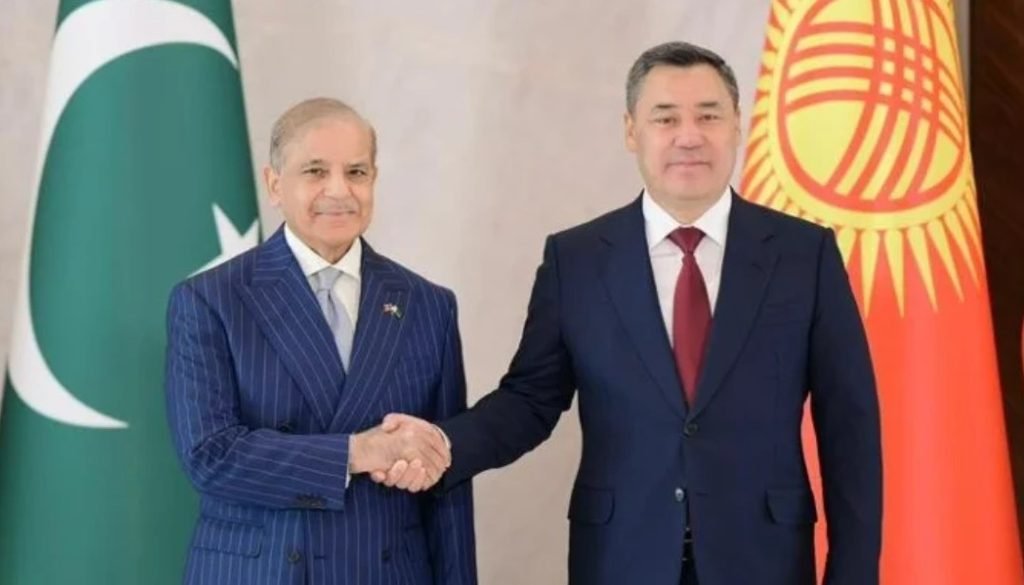
He said the federation was in talks with Kyrgyzstan to explore overseas training opportunities. Although the host country could provide training facilities, Pakistan would still need funds to cover air tickets and accommodation.
The absence of International Olympic Committee (IOC) scholarships for Pakistani wrestlers in the current cycle has added another challenge to their preparations.
Under the Los Angeles 2028 wrestling qualification system, athletes will have opportunities to secure places through the World Championships, the United World Wrestling (UWW) rankings series, continental championships and Olympic qualification tournaments.
The qualification process is scheduled to begin in February 2027, leaving limited time for Pakistan to prepare its leading competitors and provide them with the international exposure required to challenge top-ranked opponents.
Inam, a former beach wrestling world champion, urged the authorities to support the federation’s plans, warning that continued financial difficulties could deprive Pakistani wrestlers of an important opportunity to compete at the Olympics.
Financial Constraints Hold Back Wrestling Talent
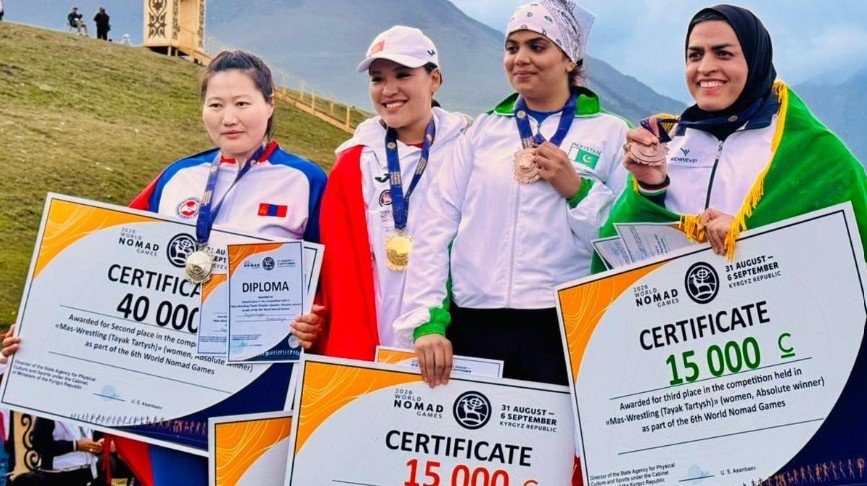
Pakistan has a strong wrestling tradition and has produced notable results at international competitions, particularly the Commonwealth Games.
The country’s wrestlers won multiple medals at the Birmingham 2022 Commonwealth Games, demonstrating their potential to compete successfully at major international events. However, wrestling was not included in the Glasgow 2026 Commonwealth Games programme, where Pakistan secured only one bronze medal in boxing.
Sports observers and wrestling officials have long highlighted the need for sustained government investment in training facilities, coaching, athlete development and international competition.
Without regular participation in overseas events, Pakistani wrestlers struggle to gain the experience and ranking points needed to compete at the highest level.
Traditional Mud Wrestling Versus Olympic Wrestling
Another challenge is the reliance of many Pakistani wrestlers on traditional mud wrestling to earn a living.
While mud wrestling remains popular and provides athletes with an income, the physical demands and techniques of Olympic-style mat wrestling differ considerably. International freestyle and Greco-Roman wrestling require specific technical preparation, speed, agility, endurance and tactical awareness.
Wrestlers who lack access to specialised training may struggle to adapt when competing against internationally experienced opponents.
However, with limited financial opportunities, many athletes continue participating in traditional competitions to support themselves and their families.
The situation highlights the need for a structured development system that enables wrestlers to earn a sustainable income while focusing on Olympic disciplines.
Government Support Needed to Revive Olympic Wrestling
Consistent financial assistance could help Pakistan develop a stronger wrestling programme by funding international training camps, overseas competitions, specialist coaching and athlete support.
The PWF believes its leading wrestlers still have a chance to qualify for Los Angeles 2028, provided the government acts promptly and makes the required resources available.
Without sustained investment and a long-term development strategy, Pakistan risks losing promising talent and falling further behind countries that regularly compete in international wrestling events.
For a country with a rich wrestling heritage, supporting Olympic-style wrestling could provide a pathway to renewed international success. The immediate challenge is to turn that potential into a properly funded and organised qualification campaign.

