































































































































































































Federal Government Imposes Emergency, Governor’s Rule in Khyber-Pakhtunkhwa

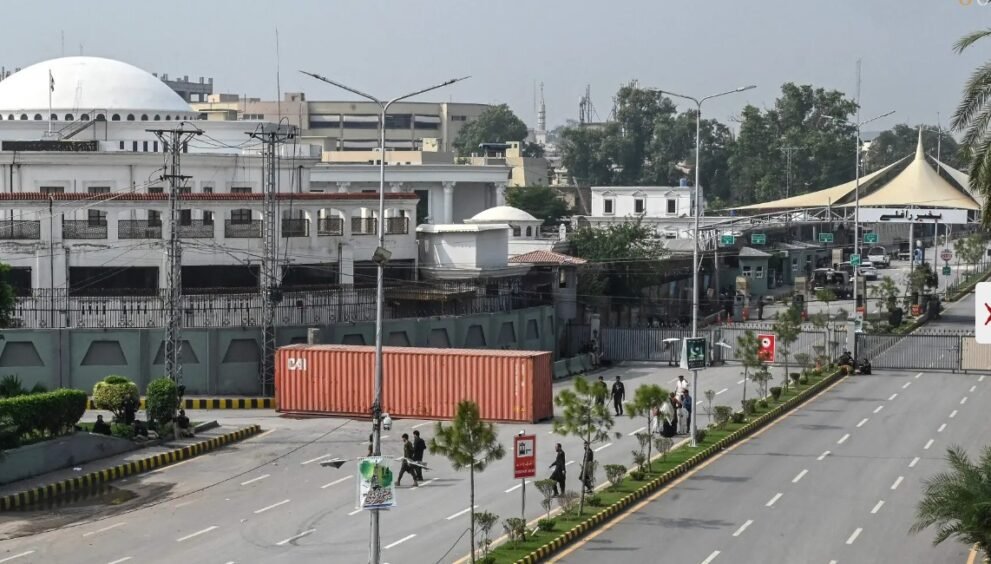
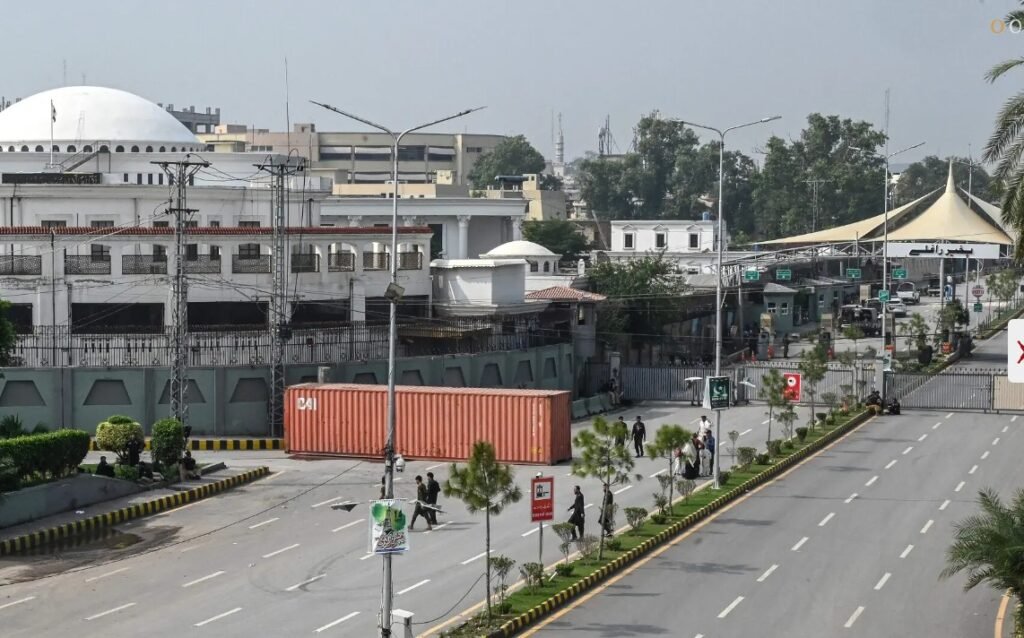
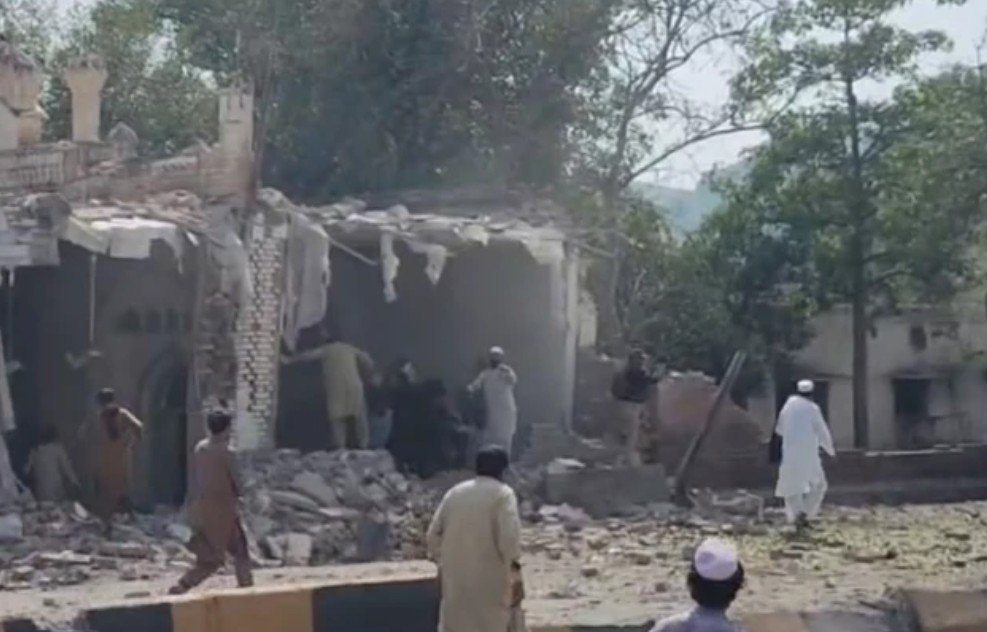
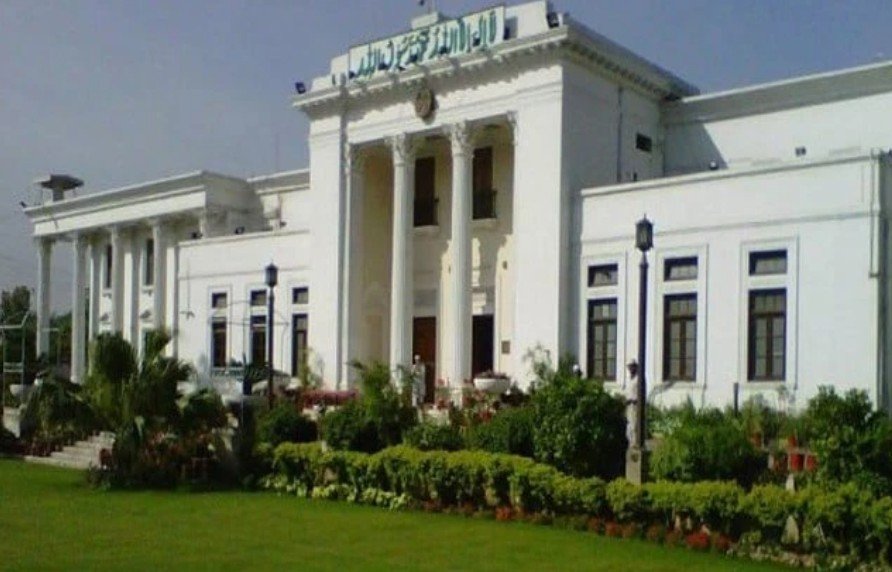
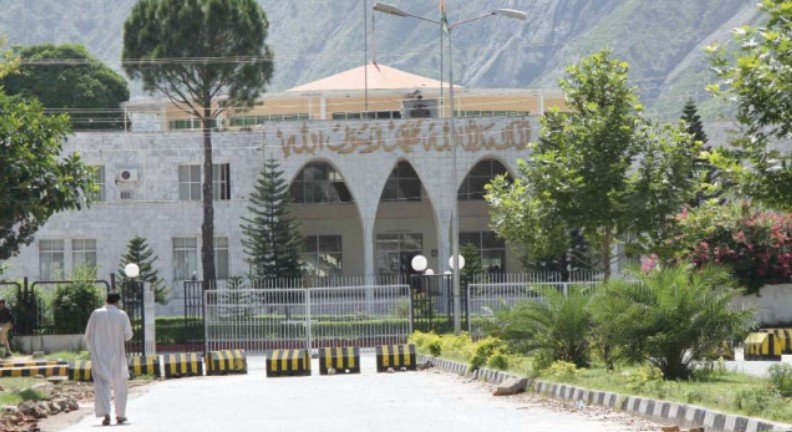
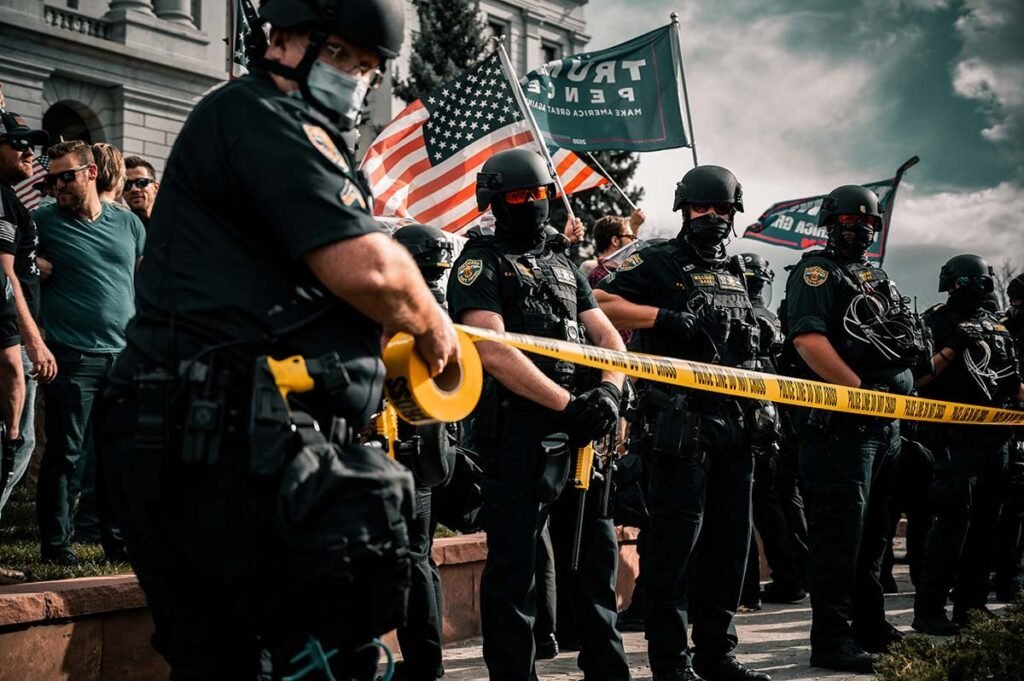
A general view shows a blocked road near the KP assembly building (L, back) amid ongoing protests by the PTI in Peshawar on Oct 11, 2026. — AFP
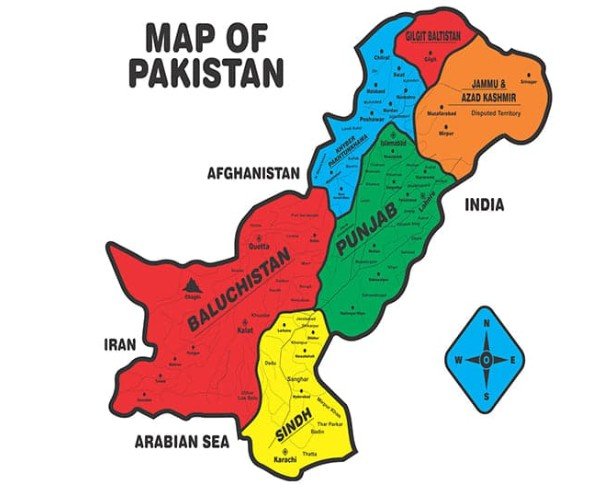
ISLAMABAD: The federal government has imposed an emergency and governor’s rule in Khyber-Pakhtunkhwa (K-P) following President Asif Ali Zardari’s approval of recommendations made by the federal cabinet, marking a major escalation in tensions between Islamabad and the Pakistan Tehreek-e-Insaf (PTI)-led provincial government.
According to a statement from the President House, the measures were approved under Articles 232 and 234 of the Constitution, which deal with the proclamation of an emergency and the imposition of governor’s rule, respectively.
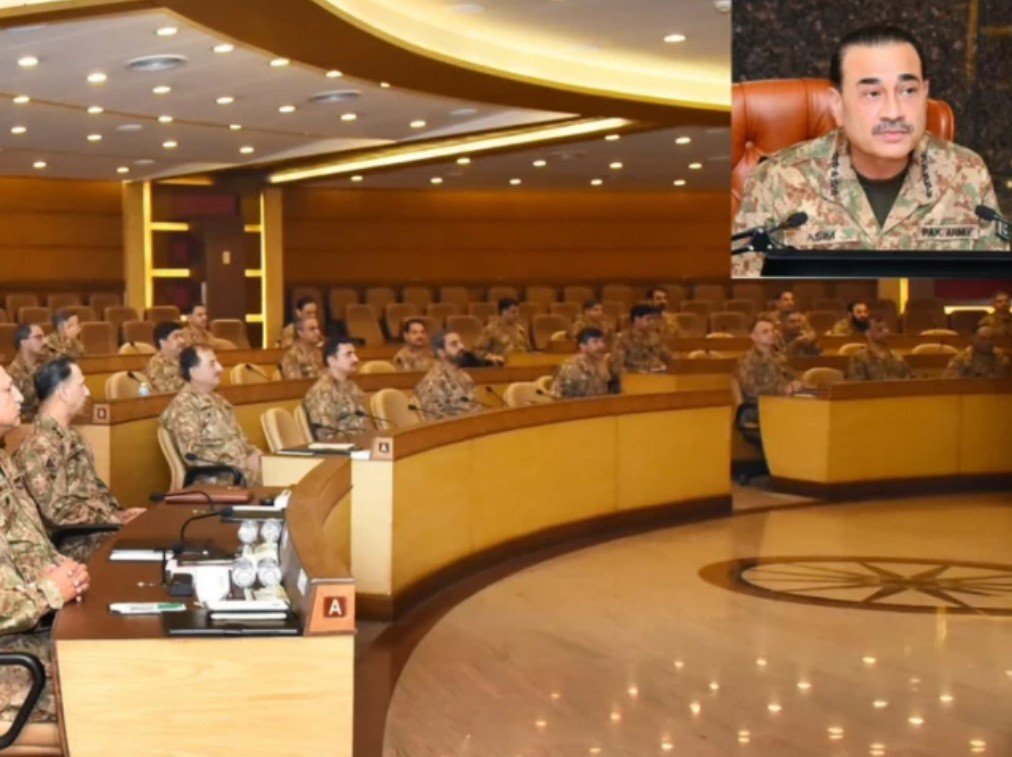
The federal government also authorised the deployment of Pakistan Army troops and assets in aid of civil power in the province.
Internet and mobile data disruptions were reported in parts of Peshawar following the announcement. Sources in the telecommunications sector said services had been slowed or suspended in selected areas of some cities, although there was no province-wide internet shutdown.
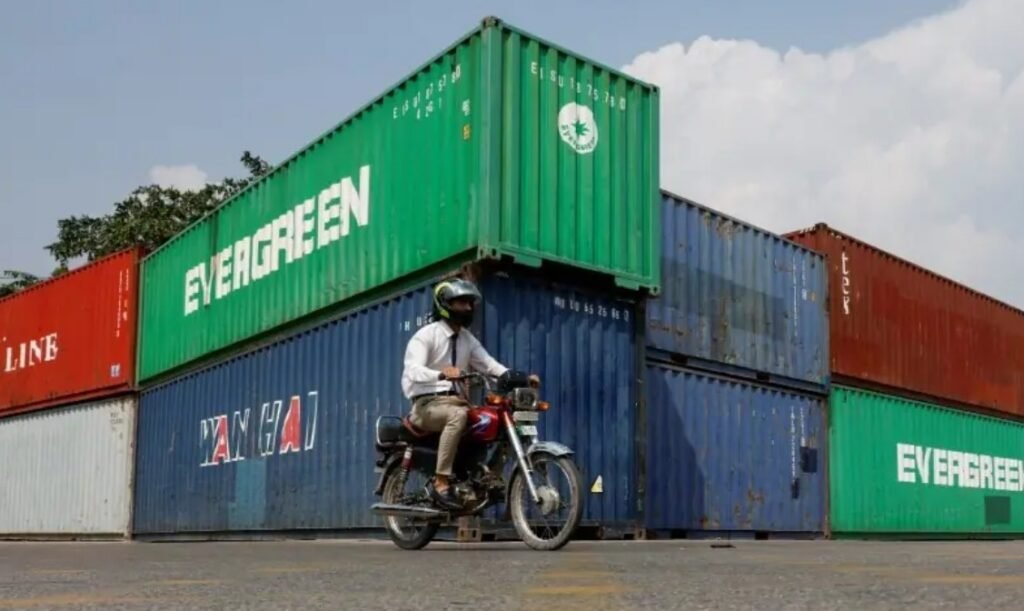
Authorities also placed shipping containers on several roads in Peshawar, while police deployment was increased across the city.
Federal Cabinet Approves Emergency Measures
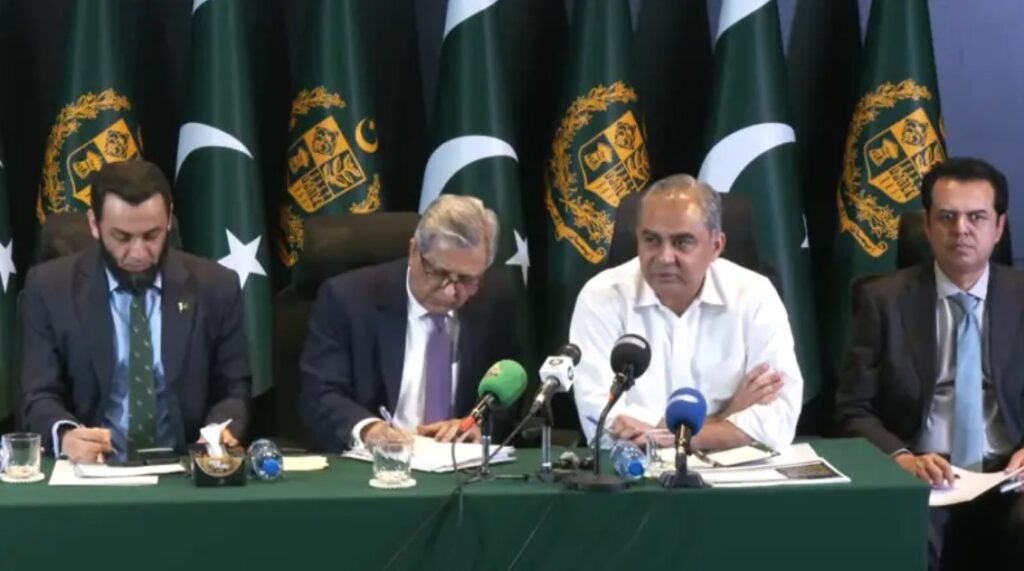
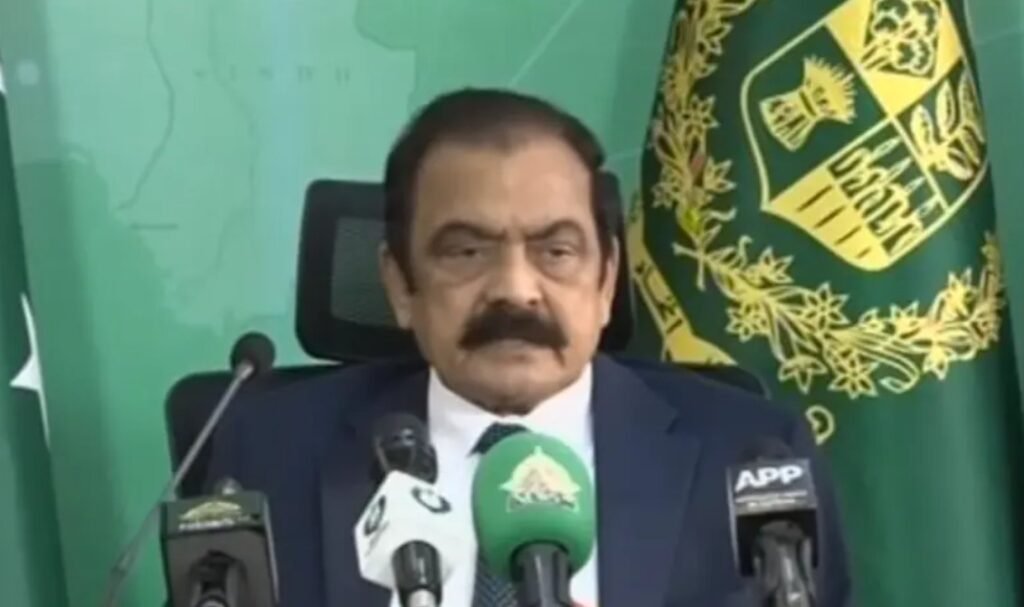
The decision was taken during an emergency meeting of the federal cabinet chaired by Prime Minister Shehbaz Sharif, where members were briefed on the security situation in K-P.
According to the Prime Minister’s Office, the cabinet reviewed the province’s deteriorating law and order situation and expressed concern over what it described as the provincial government’s deliberate disengagement from counterterrorism efforts.
The cabinet recommended that the prime minister advise the president to exercise his constitutional authority to impose an emergency under Articles 232 and 234.
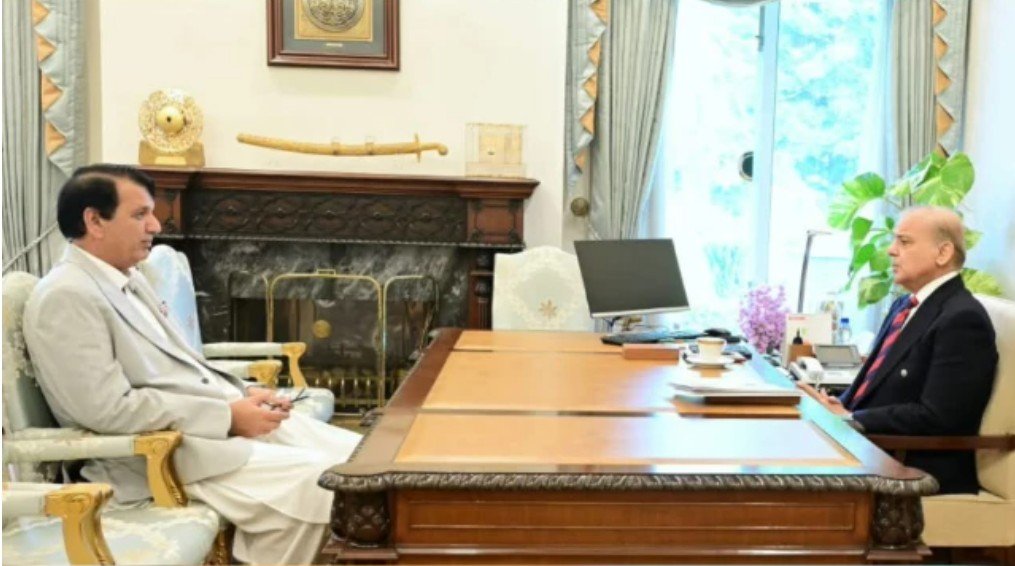
The development followed a meeting between Prime Minister Shehbaz and President Zardari a day earlier, during which they discussed the country’s overall security situation.
The federal and provincial governments have been at odds over counterterrorism policy, military operations and the approach towards dialogue with the Afghan Taliban. These disagreements were among the main reasons cited for the breakdown of negotiations between the government and the PTI on October 3.
The PTI has maintained that it was being excluded from decisions concerning security in K-P, a claim the federal government has denied. The party has also called for a review of counterterrorism policy and opposed military operations.
PTI Claims Chief Minister Sohail Afridi Taken Into Custody
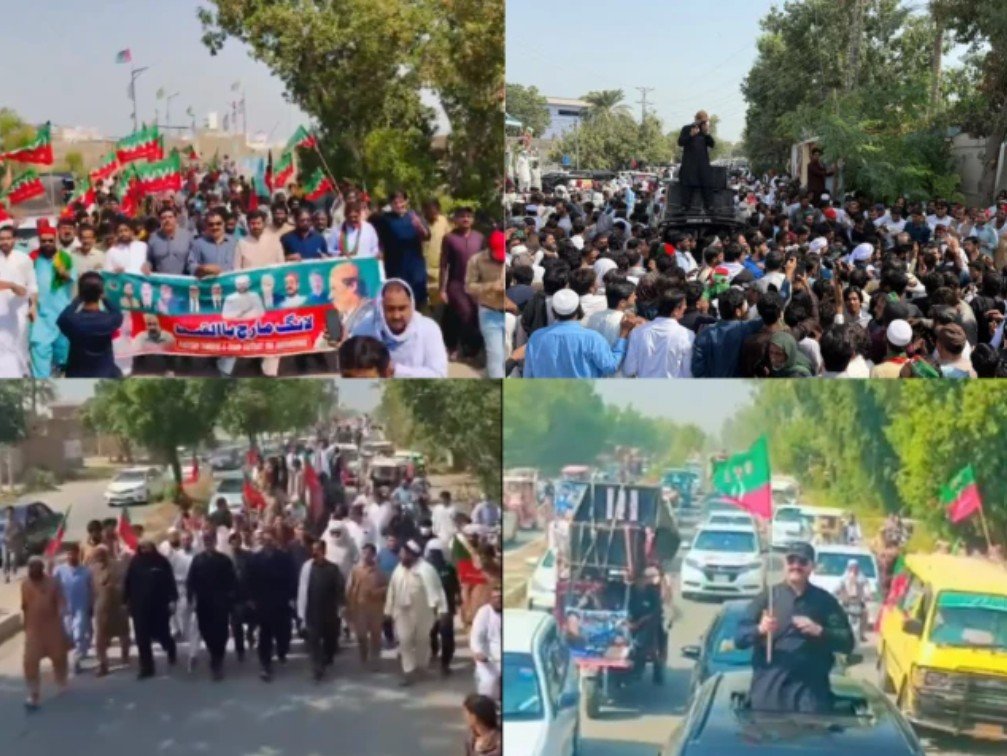
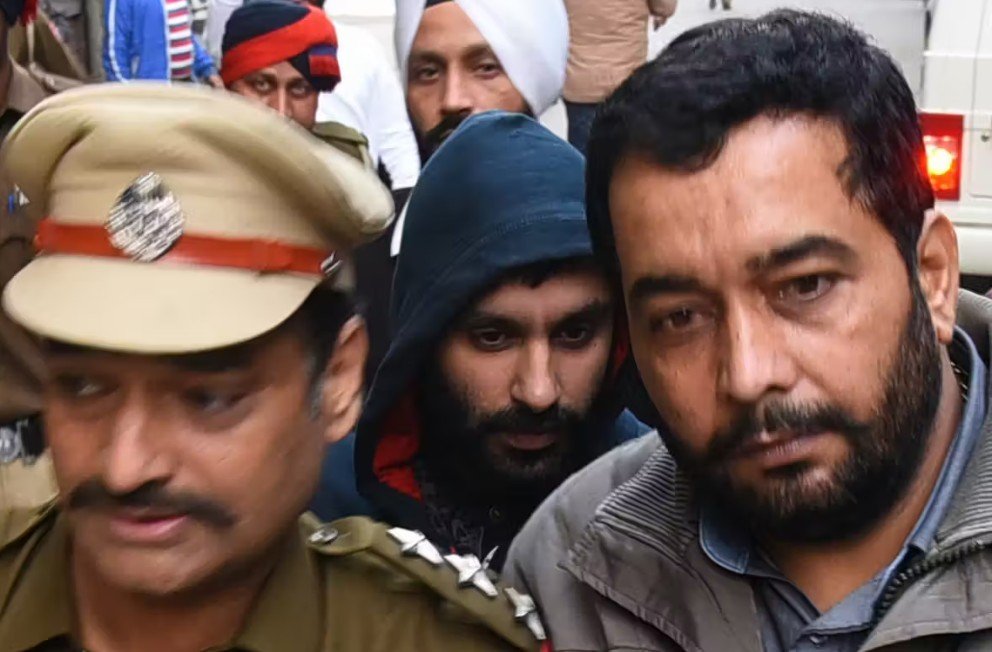
Hours after the announcement, K-P Information Minister Shafi Jan claimed that Chief Minister Sohail Afridi had been taken into custody.
Jan had been accompanying Afridi during the PTI’s long march. The reported detention had not been independently confirmed in the information available at the time of the report.
The development added to political uncertainty following the federal government’s decision to impose emergency measures in the province.
The PTI has strongly opposed the move, arguing that it undermines the provincial government’s constitutional authority and the mandate of K-P voters.
Constitutional Provisions Governing Emergency and Governor’s Rule
Article 232 of the Constitution provides for the proclamation of an emergency when Pakistan’s security, or that of any part of the country, is threatened by war, external aggression or internal disturbances beyond a provincial government’s capacity to control.
The constitutional provision states that an emergency may be proclaimed when the president is satisfied that such circumstances exist. However, invoking it on the grounds of internal disturbances beyond a provincial government’s control requires a resolution from the relevant provincial assembly.
Where the president acts on his own authority, the proclamation must be presented to both houses of Parliament for approval within 10 days.
During an emergency, Parliament may legislate for a province on matters outside the Federal Legislative List. Provincial assemblies retain their lawmaking powers, although conflicting provincial legislation may become ineffective while the relevant federal law remains in force.
Article 234 deals with a failure of constitutional machinery in a province. Under this provision, the president may issue a proclamation after receiving a report from the provincial governor.
A proclamation under Article 234 must be presented to a joint sitting of Parliament and expires after two months unless approved by a resolution of the joint sitting. It may be extended for further periods of up to two months at a time, but cannot remain in force for more than six months.
Article 233, which concerns the suspension of certain fundamental rights during an emergency, was not mentioned in the presidential summary cited in the report.
Federal Government Forms Advisory Council, Appoints Chief Secretary
Following the imposition of emergency measures, the federal government established an 11-member technocratic K-P Advisory Council to assist the governor in running the province.
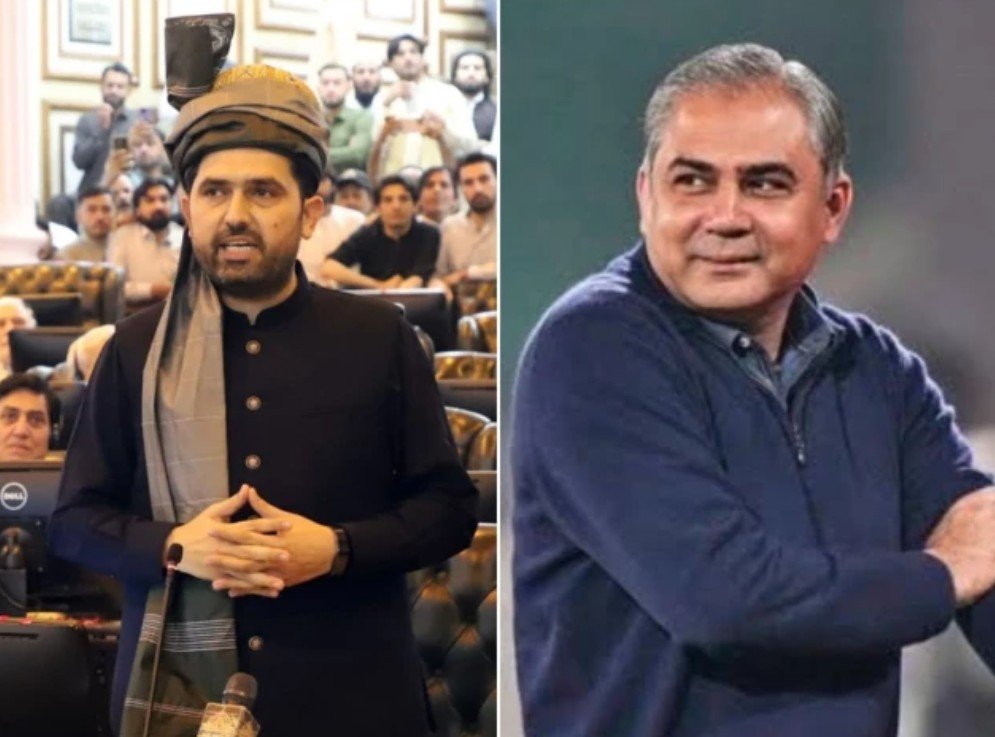
Governor Faisal Karim Kundi subsequently chaired the council’s first meeting and pledged to work towards restoring peace.
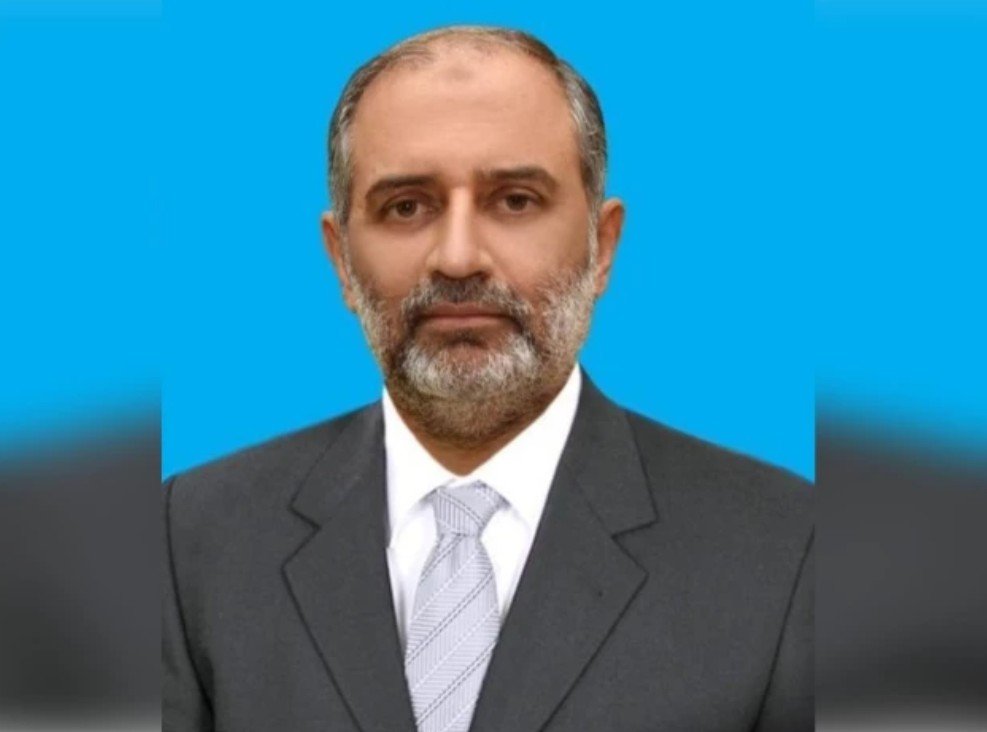
The federal government also appointed Dr Muhammad Fakhr Alam Irfan as K-P chief secretary, according to an official notification.
The appointment took immediate effect and will remain in force until further orders. Irfan, a Grade 22 officer of the Pakistan Administrative Service, was previously serving as secretary of the Power Division in the federal Ministry of Energy. He belongs to Mardan.
In a separate notification, the government placed Grade 20 officer Muhammad Yahya Akhunzada at the disposal of the K-P government.
Akhunzada had been serving as an additional secretary at the Prime Minister’s Office. His previous assignments included serving as an additional political agent in North and South Waziristan and holding administrative positions in K-P’s health, information and education departments. He has also served as commissioner of Dera Ismail Khan.
PTI Condemns Emergency, Announces Legal Challenge
PTI Chairman Gohar Ali Khan strongly condemned the imposition of emergency and governor’s rule, describing the move as undemocratic and a violation of the provincial government’s mandate.
In a statement posted on social media, Gohar urged the federal government to reconsider its decision, respect provincial autonomy and pursue negotiations to resolve political differences.
He argued that peace and stability could not be achieved by weakening provincial institutions or creating confrontation between the federation and the province.
The PTI chairman stressed that his party did not oppose efforts to eliminate terrorism but maintained that counterterrorism measures should not be used to suppress public opinion or curtail constitutional authority.
“Terrorism can only be combated through national unity and a joint strategy,” he said.
Gohar later announced that the PTI would challenge governor’s rule through the courts, assemblies and public forums.
The PTI parliamentary party also held a meeting and unanimously rejected the federal government’s decision. In a subsequent statement, it described the measures as unconstitutional and an assault on the public mandate.
The parliamentary party warned that efforts to render the elected provincial government ineffective could undermine federalism, intensify political instability and increase public unrest.
It called for political disputes to be resolved through constitutional procedures, democratic engagement and consultation rather than coercive measures.
The party also questioned why similar emergency measures had not been introduced in Balochistan despite security challenges there.
The meeting reaffirmed that Afridi remained the elected chief minister and condemned any action aimed at undermining his constitutional authority.
Opposition Alliance Also Rejects Federal Intervention
The Tehreek-e-Tahafuz-e-Ayin-e-Pakistan (TTAP), an opposition alliance that includes the PTI, also criticised the decision, calling it a violation of the Constitution.
The alliance questioned the federal government’s approach, arguing that K-P had been targeted despite the provincial assembly and government having an electoral mandate.
It also criticised the Pakistan Peoples Party, led by which President Zardari’s political party is represented in the federal coalition, over its role in the political dispute.
The alliance said it would convene a meeting to discuss the situation and announce a joint course of action.
Governor Kundi Calls for Unity and Lasting Peace
Governor Kundi defended the decision, saying the measures were intended to restore peace, promote prosperity and accelerate development in K-P.
He urged residents to set aside political differences and work collectively to protect the province and future generations.
Kundi also recalled the sacrifices made by civilians, police officers and security personnel in the fight against terrorism, stressing the need to establish lasting peace.
He pledged to raise public concerns at the relevant forums and said the province’s shared interests should take precedence over political divisions.
K-P Assembly’s Earlier Opposition to Military Operations
The dispute over counterterrorism policy has persisted for several years.
In July 2024, the K-P Assembly passed a resolution urging the federal government to consult the provincial administration before launching a new military operation.
The resolution warned that proceeding without provincial consent could undermine the operation’s effectiveness and lead to adverse consequences.
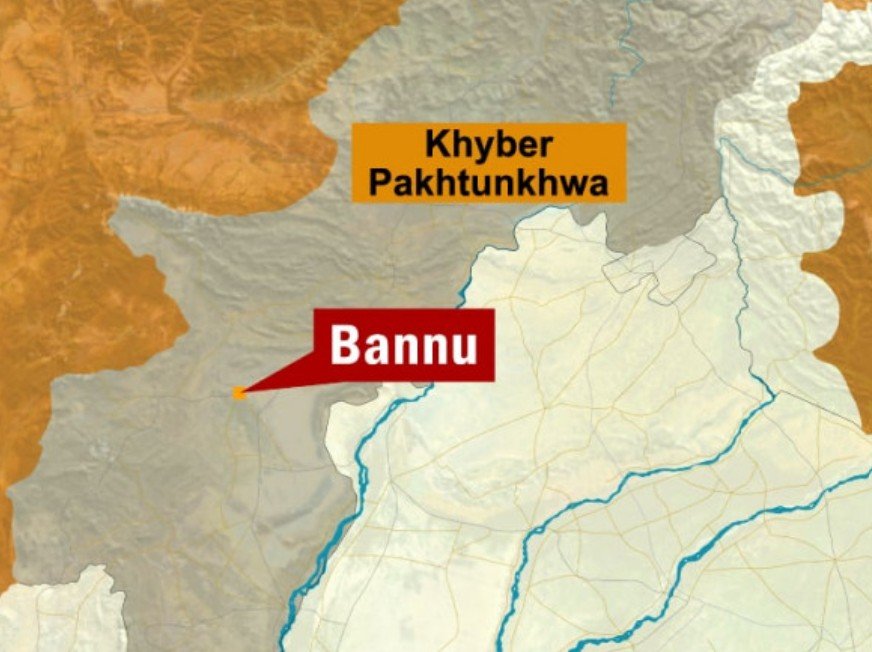
In December 2024, the assembly unanimously opposed a potential military operation in parts of Khyber and Bannu districts.
After Afridi became chief minister, the provincial assembly also convened a grand jirga attended by Governor Kundi and representatives of other political groups. The gathering called on the federal government to prioritise negotiations with Afghanistan and consult the provincial administration on Afghan policy.
These disagreements have continued to shape relations between Islamabad and the PTI-led provincial government.
PM Shehbaz Says PTI Will Not Be Allowed to Destabilise Economy
Addressing the federal cabinet, Prime Minister Shehbaz said the government would not allow the PTI-led K-P administration to undermine Pakistan’s economic stabilisation efforts.
“I will not allow them (PTI) to destabilise the economy,” he said.
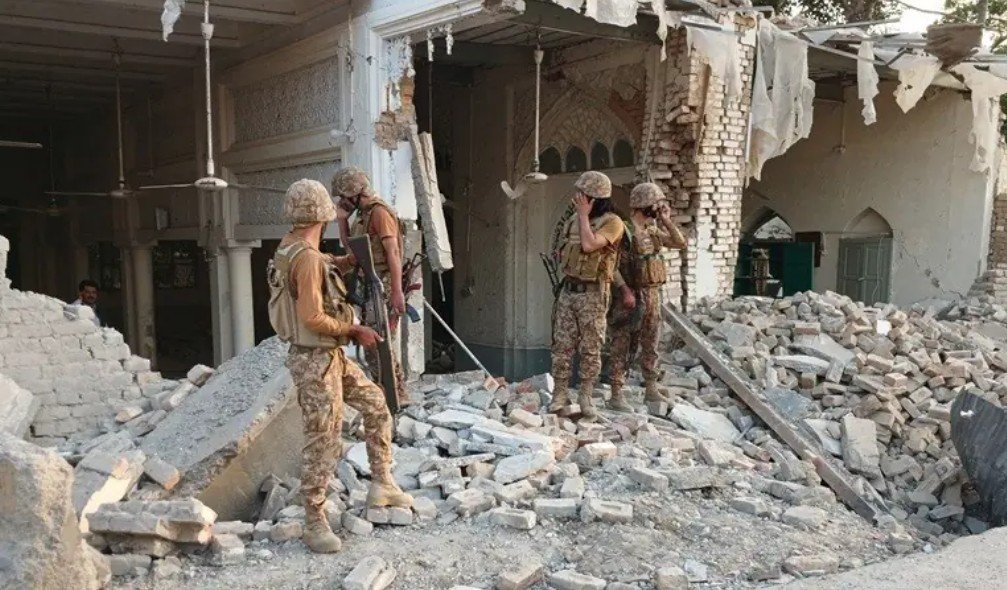
The prime minister also expressed concern over casualties caused by terrorism in K-P and Balochistan, highlighting the deaths of civilians, police personnel, security officials, women and children.
He said Pakistan had repeatedly urged Afghanistan to take action against terrorist elements operating from its territory but maintained that the issue remained unresolved.
PM Reaffirms Support for Saudi Arabia, Highlights IMF Progress
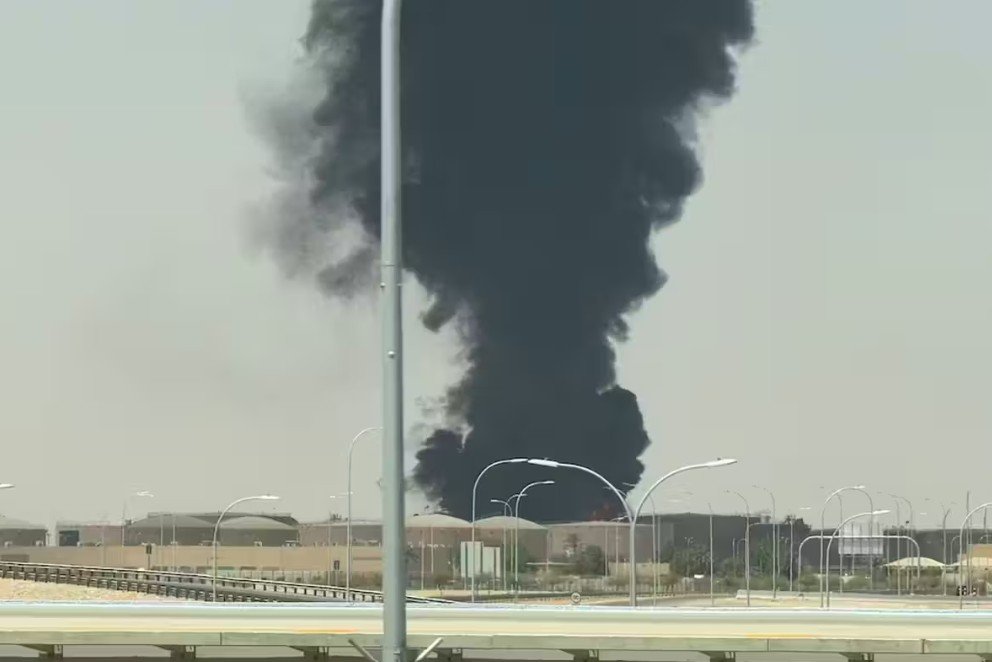
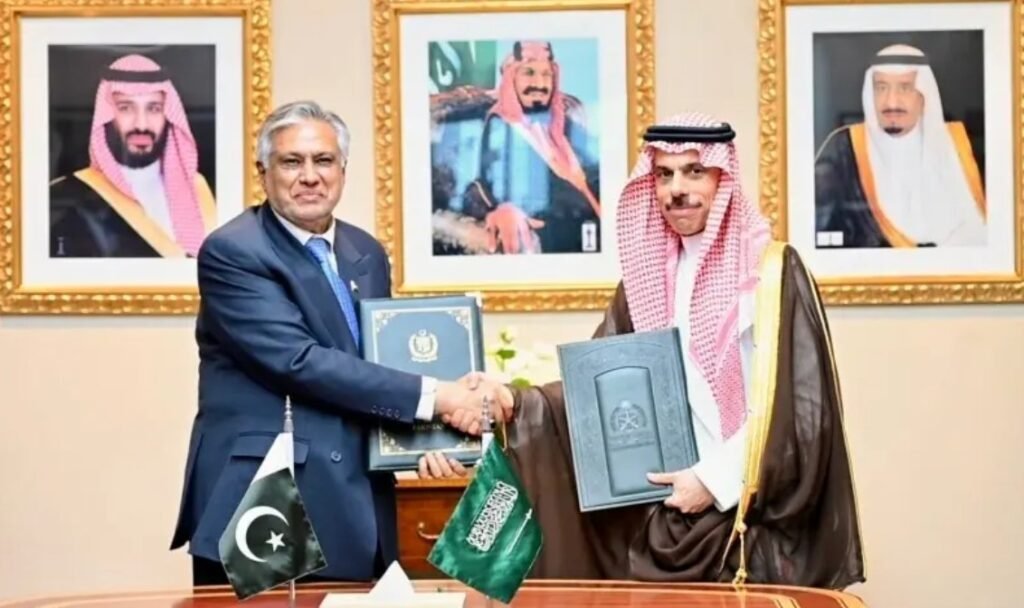
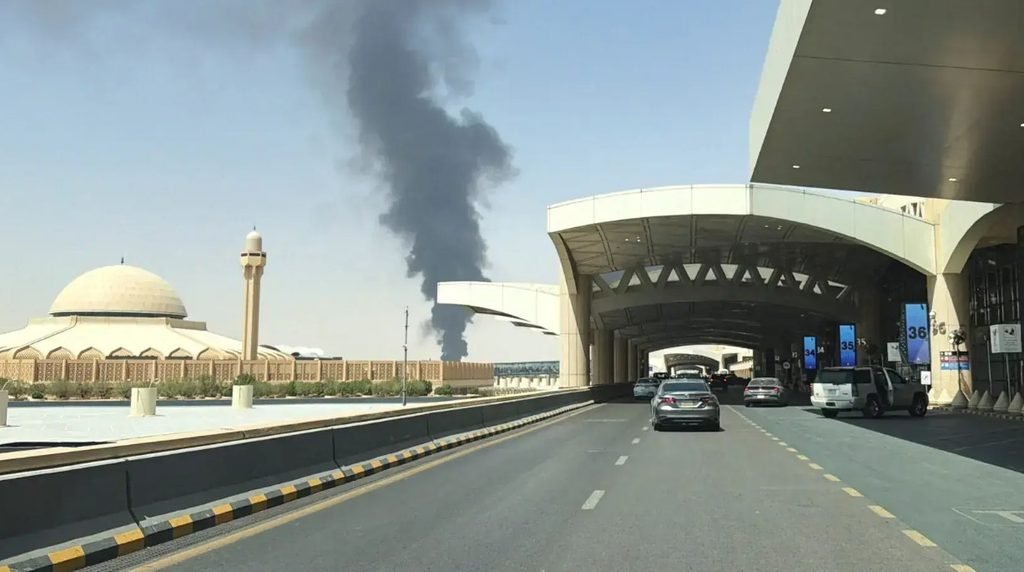
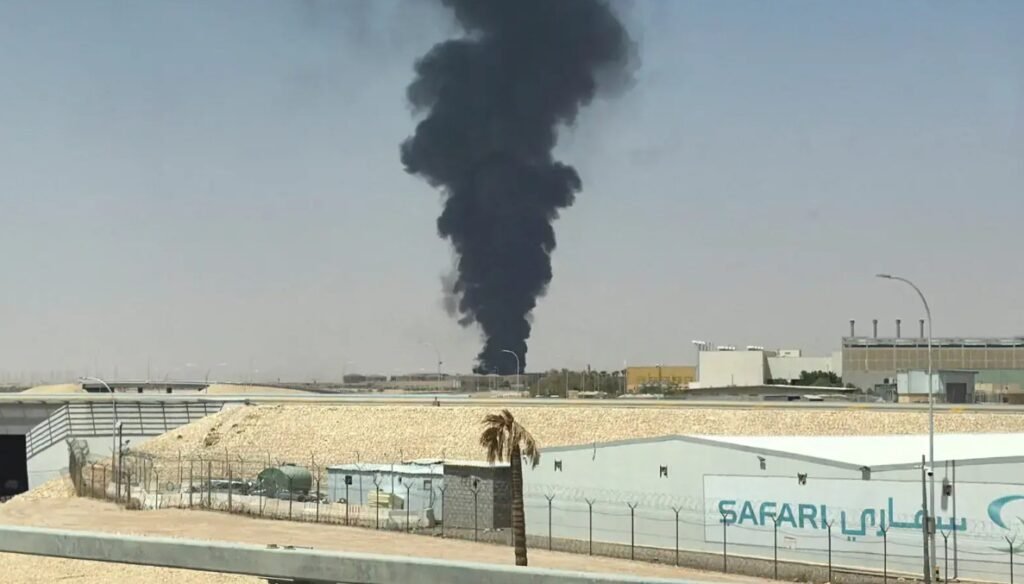
During his address, Shehbaz also reiterated Pakistan’s solidarity with Saudi Arabia following a recent deadly Houthi attack, emphasising the longstanding ties between the two countries.
He said Pakistan supported efforts to restore regional peace and would not tolerate aggression against Saudi Arabia.
The prime minister also discussed Pakistan’s recent staff-level agreement with the International Monetary Fund (IMF), expressing hope that the country would receive a $1.2 billion tranche before the end of the year.
He recalled meeting IMF Managing Director Kristalina Georgieva on the sidelines of the United Nations General Assembly last month and credited the political and military leadership with supporting efforts to improve fiscal discipline.
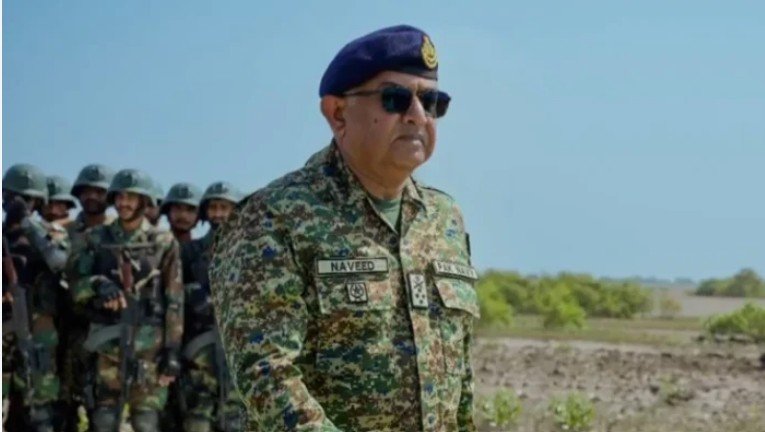
Shehbaz also highlighted Pakistan’s diplomatic engagement with international partners and its efforts to facilitate peace in the Middle East, praising the role of Chief of Defence Forces and Chief of Army Staff Field Marshal Asim Munir.
The imposition of emergency and governor’s rule in K-P has opened a new and consequential phase in the confrontation between the federal government and the PTI, with the opposition promising legal challenges and the federal government maintaining that decisive action is necessary to address the province’s security situation.

