























































































































Ishaq Dar says India cannot suspend Indus Waters Treaty at convenience

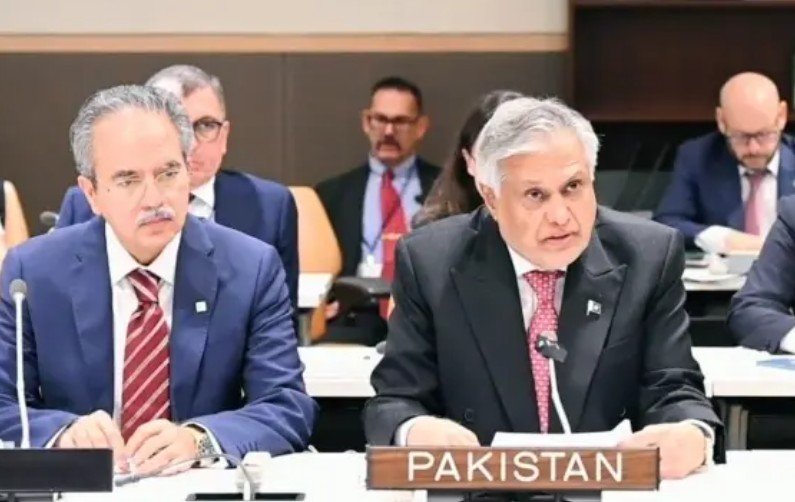
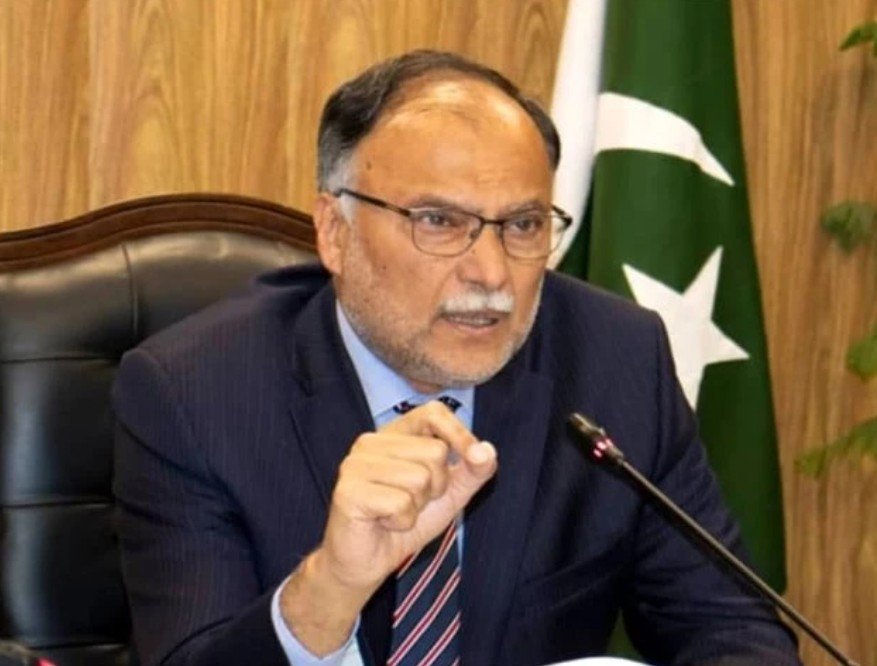
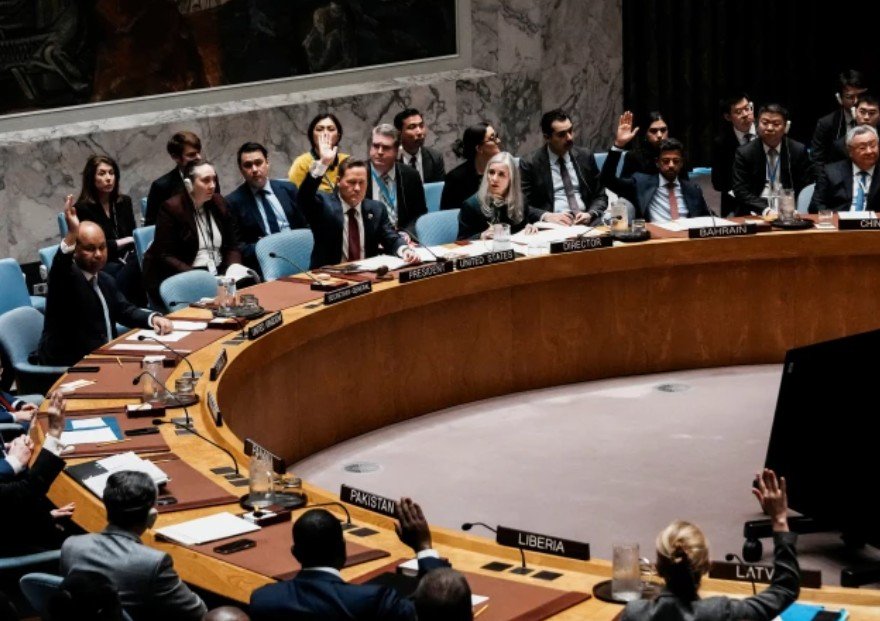
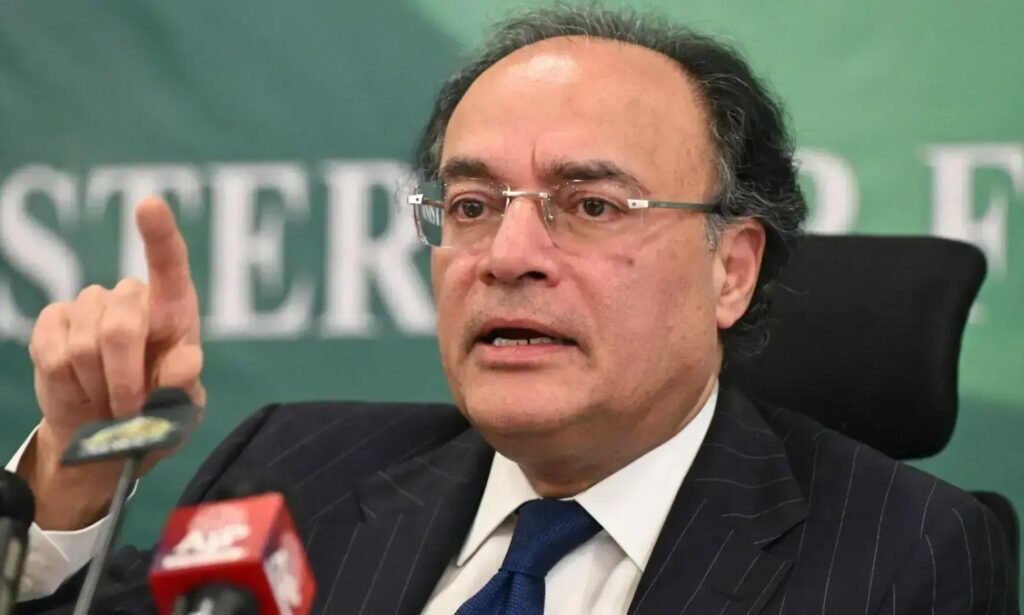
Deputy Prime Minister and Foreign Minister Ishaq Dar addresses ministerial meeting of the Organisation of Islamic Cooperation (OIC) Contact Group on Jammu and Kashmir on the sidelines of the 81st session of the UN General Assembly in New York. — @ForeignOfficePk/X
Deputy Prime Minister and Foreign Minister Ishaq Dar on Wednesday said India could not set aside its international obligations when they became inconvenient, stressing that the Indus Waters Treaty (IWT) remained in force.
Addressing a ministerial meeting of the Organisation of Islamic Cooperation (OIC) Contact Group on Jammu and Kashmir in New York, Dar said the IWT was a binding international agreement and contained no provision allowing either side to unilaterally suspend it.
“International obligations can’t be set aside when they become inconvenient,” he said.
India announced in April 2025 that it would hold the treaty in abeyance following the deadly attack in Pahalgam. The move was followed by a military confrontation between Pakistan and India in May 2025.
The Permanent Court of Arbitration (PCA) ruled on August 31, 2026, on the status of the treaty following India’s decision to place it in abeyance. The PCA’s official case record lists the award on the treaty’s status among the decisions issued in the proceedings.
Dar said the court’s decision reaffirmed the continuing operation of the treaty and its obligations concerning the Western Rivers.
The foreign minister also referred to the May 2025 conflict, saying it demonstrated the risks of leaving the Jammu and Kashmir dispute unresolved.
According to Dar, Pakistan responded to the May 2025 escalation by invoking its right to self-defence under Article 51 of the United Nations Charter. He described Pakistan’s response as measured and proportionate and said Islamabad had acted to prevent further escalation.
“Two nuclear-armed states came into a direct military conflict over a dispute that has remained unresolved for almost eight decades,” Dar said.
He stressed that military force could not resolve longstanding political disputes and called for dialogue, diplomacy and settlements based on international law.
Dar said India’s decision to place the IWT in abeyance had introduced another dimension to tensions between the two countries.
Dar raises Kashmir issue at OIC meeting
During his address, Dar also urged the OIC Contact Group to maintain international attention on the Jammu and Kashmir dispute.
He said Kashmiris had waited for decades for what Pakistan describes as their right to determine their future through a UN-supervised plebiscite.
Dar criticised India’s actions in Indian-administered Jammu and Kashmir since August 5, 2019, alleging that New Delhi had taken measures affecting the region’s political, demographic and cultural character.
He also alleged restrictions on political activity, media freedom and civic space, and referred to reports concerning detentions, property demolitions and changes to electoral and domicile laws.
India has rejected Pakistan’s characterisation of Jammu and Kashmir and maintains that the region is an integral part of the country.
Dar also cited concerns raised in international forums regarding the situation in the region, including communications by UN human rights experts.
He said Pakistan believed the issue required sustained international attention and that domestic legislation or judicial decisions could not replace the UN Security Council resolutions concerning Kashmir.
“No domestic legislation, judicial verdict, electoral exercise or demographic manipulation can substitute for the Kashmiri people’s inalienable right to self-determination,” Dar said.
Pakistan urges stronger OIC diplomatic action
Dar called on OIC member states to maintain a coordinated position on Jammu and Kashmir at the United Nations and other international forums.
He urged the organisation to press for the reversal of what Pakistan considers unlawful measures taken since August 5, 2019, and called for the release of political prisoners and people Pakistan says have been arbitrarily detained.
The foreign minister also called for greater access to the region for the OIC special envoy, UN human rights mechanisms, international media and independent observers.
He further urged OIC members to support international accountability for alleged human rights violations and coordinated diplomatic efforts in New York and Geneva.
Dar said Pakistan would continue supporting a peaceful settlement of the Jammu and Kashmir dispute in accordance with relevant UN Security Council resolutions and what he described as the aspirations of the Kashmiri people.
The foreign minister is in New York for the high-level week of the 81st session of the United Nations General Assembly. Pakistan’s Foreign Office said his programme includes OIC meetings, UN engagements and bilateral meetings focused on regional and international issues.

