

























































































































































Ahsan Iqbal Seeks PM’s Intervention to Include Planning Ministry in IMF Talks

Says loan programme will have implications for people, economic development
ISLAMABAD:
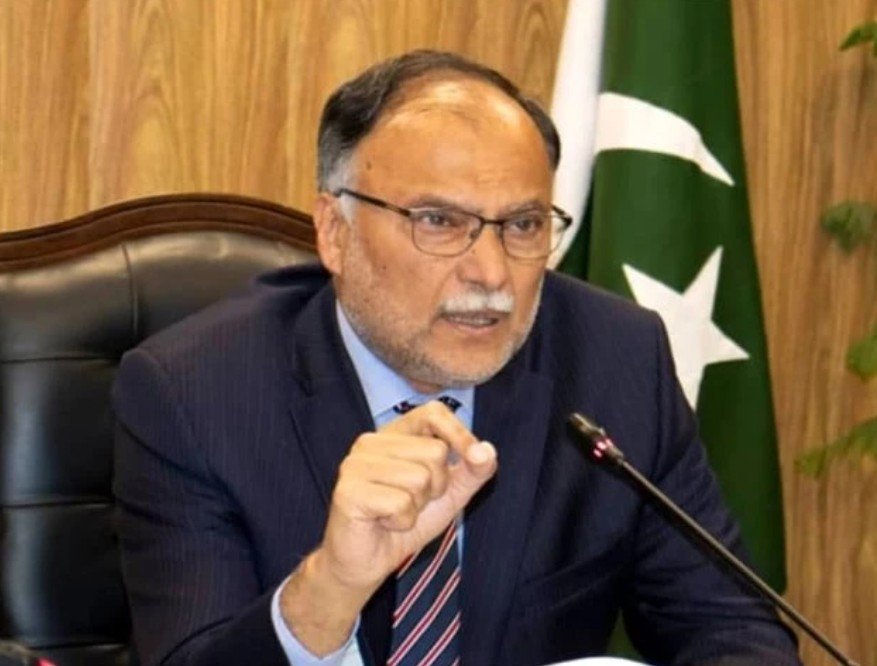
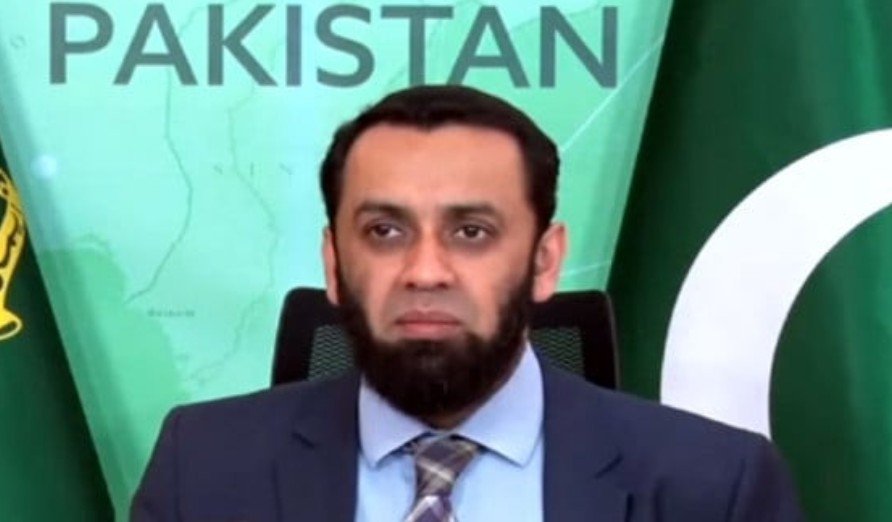
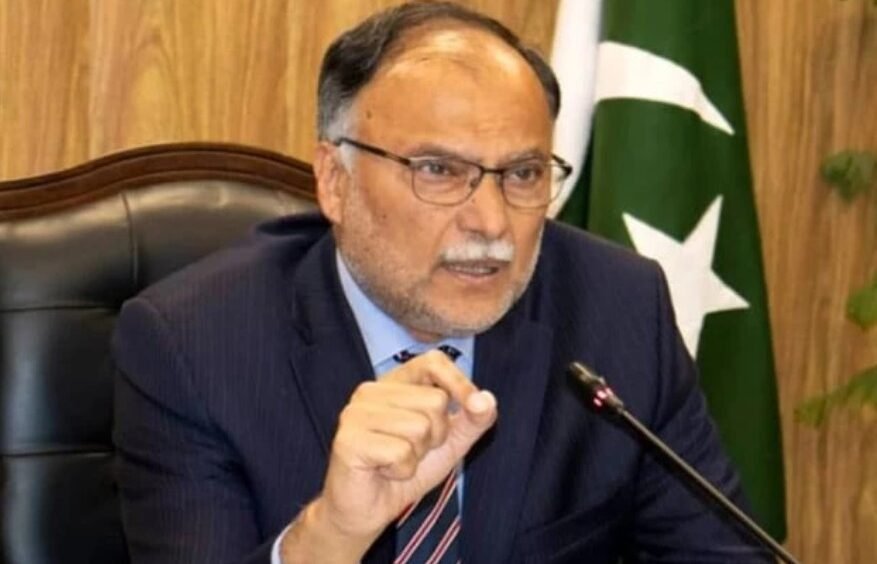
Planning Minister Ahsan Iqbal has asked Prime Minister Shehbaz Sharif to include the Planning Commission in negotiations with the International Monetary Fund (IMF), arguing that the $7 billion programme has implications beyond fiscal targets and numbers.
“I have recommended to the prime minister that a representative of the Planning Commission should also be included in the team that will negotiate with the IMF,” Iqbal said while responding to a question at a press conference.
Pakistan and the IMF are scheduled to begin talks on Wednesday for the fourth review of the $7 billion programme. The discussions are expected to continue until October 7.
Successful completion of the review would pave the way for the release of around $1 billion under the Extended Fund Facility and another $210 million under the climate support facility.
Iqbal said IMF-related decisions would have a direct impact on economic growth, development and the public, and therefore should not be viewed solely through the lens of fiscal figures.
The minister also addressed the country’s prolonged economic stabilisation process, saying its conclusion would depend on positive economic sentiment as well as structural changes in the domestic economy.
He expressed hope that Pakistan could achieve economic growth of more than 4% in the next fiscal year, helping the country move away from the prolonged period of low growth.
Iqbal urges political groups to avoid protests
The planning minister also called on Jamaat-e-Islami (JI), farmers, Pakistan Tehreek-e-Insaf (PTI) and the Awami Action Committee to reconsider planned protests and marches towards Islamabad.
He argued that political instability could affect Pakistan’s economic development and alleged that prolonged unrest could serve India’s interests.
Iqbal linked the planned protests to what he described as an Indian effort to politically destabilise Pakistan, referring to “Operation Sandoor-II”.
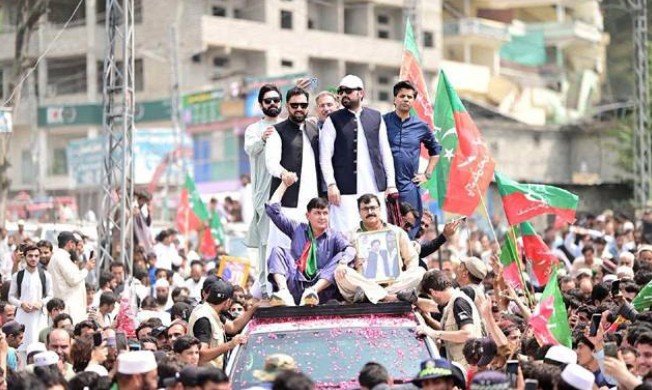
Several protest movements are currently planned. JI has launched a march towards Islamabad over fuel prices, while farmers have announced plans to march on September 25 against government policies. PTI has also announced a long march for September 27.
Iqbal said JI’s demand for a reduction in petroleum prices was not justified because domestic fuel prices were influenced by international market conditions.
He said differences in fuel pricing between Pakistan and countries such as India and Bangladesh were partly due to differences in their ability to absorb international price shocks.
On JI’s demand for a two-percentage-point reduction in interest rates, Iqbal said the federal government could not directly fulfil the demand because monetary policy was determined by the State Bank of Pakistan.
He said the government remained engaged with JI and that its demands would be presented to Prime Minister Shehbaz Sharif following his return from his foreign visit.
Minister highlights economic indicators
Iqbal also defended the government’s economic policies, saying Pakistan’s external sector had begun showing signs of improvement.
He pointed to growth in remittances and exports during July and August and said foreign exchange reserves had reached $21.3 billion.
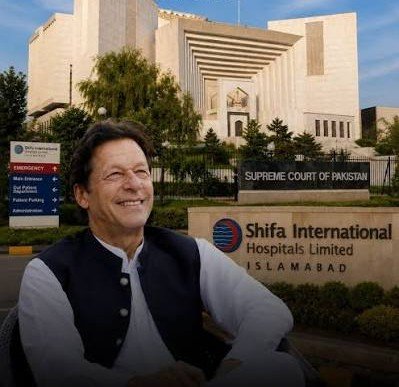
The minister also criticised PTI over the £190 million case, questioning why the money was not deposited into the national exchequer. He called for a money laundering case against PTI founder Imran Khan.
Iqbal said political disputes should be resolved through constitutional and democratic institutions, including parliament and the courts.
He warned that political instability and disorder could undermine Pakistan’s economic development process.
Separately, Tola Associates released a paper suggesting that Pakistan could meet its external financing requirements without relying on the IMF. The paper argued that a rationalisation policy could generate a net benefit of $21 billion against an estimated requirement of $27 billion, which could be used to repay rollover obligations within a year.

